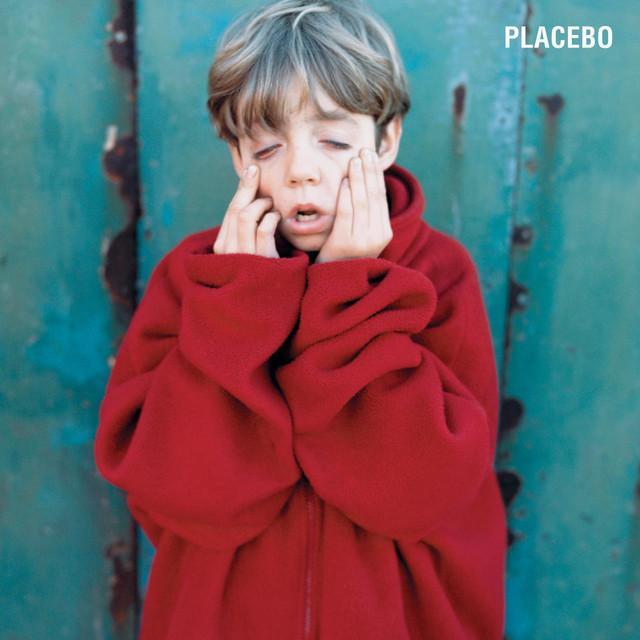
Teenage Angst by Placebo
The meaning of Teenage Angst Placebo starts with a feeling many listeners recognize right away: being young, exposed, and already disappointed. The song does not romanticize youth. Instead, it treats adolescence as a stage of damage, boredom, and self-awareness. Placebo turn that mood into something sharp and theatrical, mixing sneering humor with real pain.
"Teenage Angst" - Placebo
Like the roadkill, I'm paralysed.
You see through my disguise
Loading lyrics...
Unable to load lyrics
We're unable to display the lyrics at this time. Please try again later.
Released on the band’s self-titled debut, Placebo, the track helped define their early identity: glam, grunge, and outsider rock. Brian Molko’s voice sounds wounded and sarcastic at the same time, which matters because the song lives in that tension. It is about feeling trapped in a body and culture that already seem broken.
The Core Idea Beneath the Sneer
At its core, the song presents youth not as freedom but as decay. The speaker feels watched, judged, and unable to move forward. Early images compare that feeling to being stunned by light, almost like emotional roadkill. When the song uses the phrase straight into my eyes
, it suggests harsh exposure rather than clarity.
Then the refrain gives the bleakest summary of all. The line about starting to decay from birth is not meant as biology. It is a dramatic way of saying life has felt compromised from the beginning. When that thought leads into nothing ever goes my way
, the song sounds less like a complaint and more like a worldview.
Interpretation: this is not just “teen angst” in the casual sense of being moody. It is about early disillusionment—feeling old before adulthood even arrives.
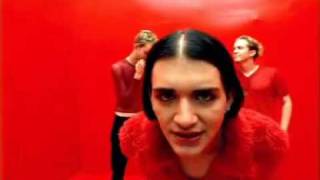
Watch the official Teenage Angst
music video
Images of Performance, Escape, and Freeze-Frame Time
One reason the lyrics stay memorable is their strange, vivid imagery. The song jumps from headlights to a drive-in to amber and needles. These are not random details. They build a world where life feels staged, frozen, or numbed.
The drive-in image hints at old movies and artificial drama. The speaker seems to move through life like someone stuck inside a scene, going through gestures rather than living freely. That feeling deepens with trapped in amber
, which suggests being preserved and immobilized at once. Amber keeps things visible forever, but it also keeps them from changing.
There is also a self-destructive streak in the line about sticking to a needle and a favorite waste of time. Even without reading it literally, the idea is clear: the speaker chooses habits, distractions, or dependencies over social polish. In contrast to refined manners and “divine” speech, they prefer what is damaged but honest.
Since I was born
I started to decay
Now nothing ever
goes my way
That moment works like a mission statement. It compresses the whole song into fate, bitterness, and resignation.
Who Is Speaking in “Teenage Angst”?
The song uses a first-person voice, but the feelings reach beyond one character. This speaker sounds like an outsider who sees through social performance and no longer believes in clean, uplifting stories about youth. They are hurt, but they are also observant.
The lyric about someone seeing through a disguise suggests a tense relationship with another person. That could be a lover, a peer group, or even society itself. The song never explains fully, and that ambiguity helps. It keeps the focus on exposure: the fear of being known and judged while still feeling invisible.
Interpretation: the speaker may be addressing anyone who has power to define them—friends, lovers, authority figures, or a whole culture that demands a role.
How Placebo’s Sound Deepens the Meaning
The meaning of Teenage Angst Placebo is not only in the words. It is also in the sound. Placebo’s early music blended alternative rock heft with glam-style theatricality, and this track uses both. The guitars push hard, but they also feel wiry and restless rather than warm. The rhythm section keeps things driving forward while the vocal delivery sounds almost pinned in place.
That contrast matters. The arrangement moves, but the narrator feels stuck. Molko’s nasal, trembling tone makes the bitterness feel personal, not abstract. The song is catchy, yet its emotional center is ugly in a deliberate way. That is part of Placebo’s appeal: they make alienation sound stylish without pretending it is healthy.
For basic release and credits, the band’s debut era is documented by Britannica and album reference sources. Those facts support the wider context: Placebo arrived in the 1990s with a sound and image built around androgyny, outsider identity, and emotional extremity.
Artist Context and Why the Song Connected
Placebo’s early work often explored discomfort, desire, dependency, and not fitting in. “Teenage Angst” fits that pattern closely. It came from a band that spoke to listeners who felt too strange, too sensitive, or too cynical for mainstream youth culture.
That helps explain the song’s staying power. It does not offer healing. It offers recognition. For many fans, that honesty was the comfort. Instead of saying adolescence is beautiful or full of promise, the song admits it can feel humiliating, performative, and already exhausted.
In the U.S., where many listeners meet Placebo through alternative rock history after the fact, the track can still feel fresh because it avoids neat lessons. It captures a very old teenage fear: that something is wrong inside, and everyone else got a script they never received.
Final Reading: More Than a Mood Swing
The best way to understand the meaning of Teenage Angst Placebo is to hear it as a song about paralysis dressed up as attitude. Its sarcasm protects a deeper vulnerability. Its images of glare, disguise, and fossilized time all point back to one idea: youth can feel less like becoming and more like slowly hardening into pain.
That is why the song still lands. It takes ugly feelings and gives them shape, speed, and sound.
Disclaimer: This interpretation is based on the lyrics, recording context, and public band history. Like many Placebo songs, “Teenage Angst” remains open to more than one reading.








