Why "100 Years" by Plies Hits So Hard
The meaning of 100 Years Plies starts with one big idea: the song is an angry protest against a justice system they believe crushes Black lives with extreme prison sentences. Rather than telling one neat story, Plies builds the song out of court scenes, phone calls, ruined futures, and the fear that one judgment can erase decades.
"100 Years" - Plies
My nigga e'erytime I think this shit gettin' rough out here
for me my nigga...I just remind myself dog Monday through
Loading lyrics...
Unable to load lyrics
We're unable to display the lyrics at this time. Please try again later.
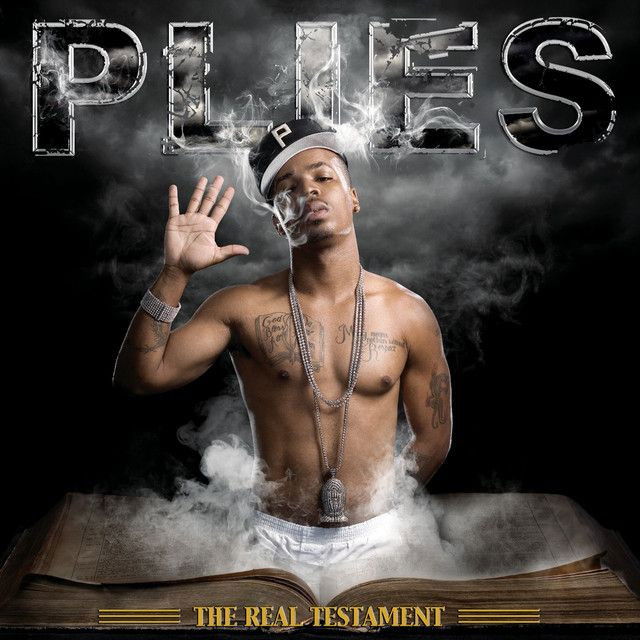
He is not subtle about the target. The record is built on outrage, grief, and distrust. That directness is part of why the song lands so hard. Plies, a Florida rapper whose early career balanced street records with radio hits, broke out with The Real Testament in 2007 and quickly became known for blunt, emotional delivery, as noted in major career summaries such as Wikipedia's overview of his catalog. In “100 Years,” that style turns political.
The Core Message Beneath the Rage
At its heart, the song argues that punishment in the American legal system can feel less like justice and more like removal. The title itself is the point. A sentence of a hundred years
is not just time; it is a life taken in slow motion.
Plies keeps returning to the damage done to whole families, not only the person sentenced. When he describes mothers leaving court in tears, the meaning widens. Prison is shown as something that hits parents, partners, and friends too.
Interpretation: the song is not only about one case or one friend. It treats sentencing as a machine that turns human beings into numbers. That is why the repeated outrage feels bigger than personal revenge.

Watch the official 100 Years
music video
A Courtroom Song Told From the Block
Who is speaking?
The voice in the song sounds like a friend and witness. They are outside the courtroom, but emotionally trapped inside it. They hear the sentence, imagine the years ahead, and feel both sorrow and fury.
That perspective matters. Instead of legal language, the song speaks in the language of the neighborhood. A line like fightin' for they lives
reframes court as a survival space, not a neutral civic process.
How the verses build the picture
The verses move through a few linked scenes:
- A friend goes to court and gets years taken from him.
- A teenager is sentenced before he can grasp what that time means.
- Families call and cry after the ruling.
- The speaker zooms out and claims the system pressures plea deals, informants, and harsh outcomes.
That structure gives the song momentum. It starts with one person, then expands into a pattern. By the end, Plies is not describing an exception. He is describing what they see as the rules of the game.
Why the Chorus Feels So Crushing
The hook is simple, repetitive, and emotionally brutal. It circles back to two images: long sentencing and a mother in tears. One of the shortest phrases, courtroom in tears
, carries the song's emotional center.
a hundred years
courtroom in tears
Even in this tiny refrain, the writing links public punishment with private grief. The courtroom is supposed to represent order, but in the song it becomes a place where families are broken.
Interpretation: the chorus works like a chant because Plies wants the listener to sit inside the shock. Repetition is not laziness here. It mirrors how impossible sentences can feel impossible to process.
The Song's Biggest Themes
Time as violence
The most important image in the track is time itself. Fifteen years, twenty-seven years, life sentences, and the title's impossible number all point to the same idea: years can be used like a weapon. When Plies says a life can change in minutes, he contrasts the speed of sentencing with the length of suffering.
Youth and stolen futures
One of the song's most painful moves is its focus on young people. A teenager does not fully understand a sentence, but still has to live it. That detail turns the song from anger into tragedy. The issue is not only guilt or innocence. It is lost possibility.
Poverty and unequal defense
Plies also argues that money shapes outcomes. His references to paid lawyers and public defenders suggest a system where wealth buys a better chance. That complaint reflects a broader American concern about unequal access to defense, though the song presents it through personal frustration rather than policy language.
How the Sound Carries the Meaning
“100 Years” works because the production leaves room for Plies' voice to do the heavy lifting. The beat is stark and tense rather than flashy. There is little sense of celebration. Instead, the instrumental feels like pressure building under every bar.
Plies' delivery is key. He sounds raw, not polished. They often push words out like accusations, which gives phrases such as mandatory
and whole life can change
extra weight. The performance makes the song feel spoken from the chest rather than carefully staged in a booth.
That fits Plies' broader style. Even when his albums produced crossover singles, his appeal often came from sounding urgent and unfiltered. On a protest song like this, that rough edge becomes the message.
Artist Context Helps Explain the Song
Plies came from Fort Myers, Florida, and rose quickly after signing through Slip-n-Slide and Atlantic in the mid-2000s, later scoring mainstream success with songs like “Shawty” and “Bust It Baby Pt. 2,” according to career summaries. “100 Years” shows the other side of that public image.
Instead of chasing romance or club energy, they lean into grievance and social distrust. That makes the song important in understanding Plies as more than a hitmaker. It reveals how central “realness,” anger, and neighborhood testimony were to his identity as an artist.
Final Take on the Meaning of 100 Years Plies
The meaning of 100 Years Plies is a protest against harsh sentencing, racial injustice, and the emotional wreckage left behind by prison. Its power comes from how it joins political anger to intimate pain.
Interpretation: listeners may disagree with parts of its argument or with how broadly it paints the system. But the song's purpose is clear: to make punishment feel personal, immediate, and devastating.
Disclaimer: This interpretation is based on the lyrics, performance, and available artist context. Song meaning can vary from listener to listener.








