Youth of the Nation by P.O.D.
They wrote a lament that sounds like a siren. To grasp the meaning of Youth of the Nation P.O.D., it helps to see it as both a news report and a prayer: a story about loss that asks adults to finally listen.
"Youth of the Nation" - P.O.D.
I wish I would've known
'Cause I didn't kiss my mama goodbye
Loading lyrics...
Unable to load lyrics
We're unable to display the lyrics at this time. Please try again later.
A Tragedy Turned Anthem, Not a Sensation
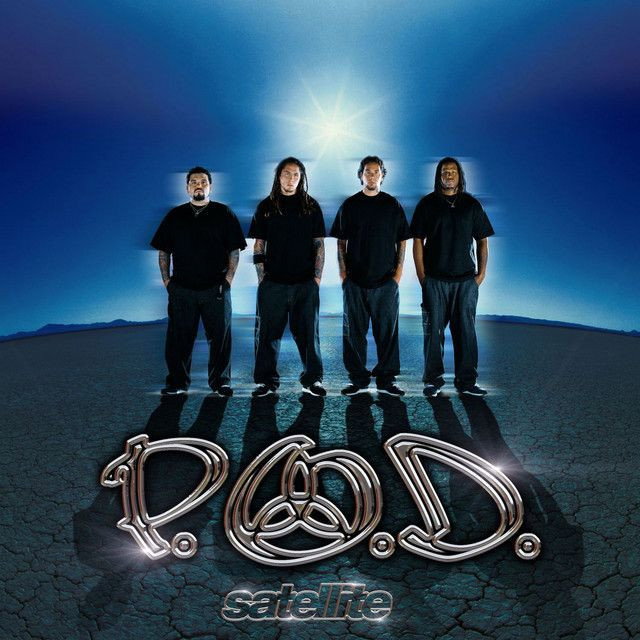
P.O.D. were recording their 2001 album Satellite in San Diego when the Santana High School shooting occurred nearby. The shock pushed them to write quickly and empathetically, focusing on real pain rather than blame. Instead of naming perpetrators, the song centers victims and the unseen struggles of kids.
The result is a rock single that behaves like social journalism. It documents a day, sketches lives, and repeats a plea through a children’s chant. It’s remembrance, not exploitation.

Watch the official Youth of the Nation
music video
Who’s Speaking, and Why That Matters
The song’s perspective shifts on purpose. It opens in first person with a student who never makes it home, captured in the phrase last day of the rest of my life
. That voice makes the violence immediate.
Then the lens moves to third person for Suzy and Johnny, broadening the view from a single tragedy to systemic neglect. Finally, the chorus turns collective with the youth of the nation
, a rallying chorus that sounds like kids singing to adults who have not been listening.
Verse-by-Verse: Three Lives, One Warning
- The hallway shooting: A normal morning shatters with
two to the chest
. The shock is less about gore than rupture—the everyday routine becomes irreversible history. - Suzy: A 12-year-old searches for validation and, as the lyric puts it,
finds love in all the wrong places
. The verse hints at a missing father figure and a culture that confuses attention with love. - Johnny: Isolation and rejection build over time. His end isn’t framed as spectacle but as a failure of connection and care.
Together, these vignettes argue that youth violence and despair are outcomes of unattended wounds—loneliness, family fracture, and a culture that mistakes noise for help.
The Hook That Names the Hurt
The chorus—the youth of the nation
—does more than brand the song. It creates a crowd out of individuals. Interpretation: by repeating the line, the band asks listeners to picture real faces and hear real voices behind the phrase “youth.” The chant implies accountability: if “we” keep repeating this, who will respond?
Symbols and Motifs You Can’t Miss
- Routine turned nightmare: The morning skate to school collapses into emergency sirens, underlining how quickly safety can vanish.
- Moral confusion: The line
the blind leading the blind
suggests adults and institutions often lack answers, even as they claim authority. - Restless longing: The plea
there’s got to be more to life
reframes the song as a search for meaning, not just a report of loss.
These images keep the focus on causes—neglect, disconnection, and hopelessness—rather than only the event.
How the Sound Carries the Message
Musically, the track balances weight and space. A chiming, echo-laden guitar figure drones like a memory that won’t fade. The beat stays steady and mid-tempo, resisting adrenaline; that restraint leaves room for the stories to land.
When the chorus hits, layered youthful voices amplify the message without turning it triumphant. Distorted guitars arrive like a wave of anger and grief, but the mix never buries the vocal. Production by Howard Benson keeps clarity front and center so every detail of the verses remains audible.
What the Song Isn’t—And Why That Matters
It isn’t a policy argument or a finger-pointing screed. Instead, it’s testimony. Interpretation: the band suggests that before anyone prescribes solutions, they should sit with the names, the mornings, and the empty chairs.
That choice has made the song a touchpoint after new tragedies, because it speaks to families and classmates first.
Alternate Readings Worth Considering
- Accountability reading: The chorus is a demand. “We” are speaking; adults should answer with resources—mentoring, mental health care, safe schools.
- Solidarity reading: The chorus is a promise. Youth stand with one another, sharing grief so no one carries it alone.
Both readings fit because the hook is inclusive and open-ended.
Why the Stories Still Echo
The power of the meaning of Youth of the Nation P.O.D. rests in empathy. By narrating a day, a girl, and a boy, the band shows how violence is downstream of isolation and neglect. The song doesn’t excuse harm; it forces listeners to see the missed chances to care sooner.
Takeaway for Today
They turn a headline into a human chorus. The song invites anyone—parents, teachers, neighbors—to notice the quiet signals and act before crisis.
Interpretation disclaimer: Song meanings are subjective; this reading blends the lyrics, band context, and production choices to offer one informed take.