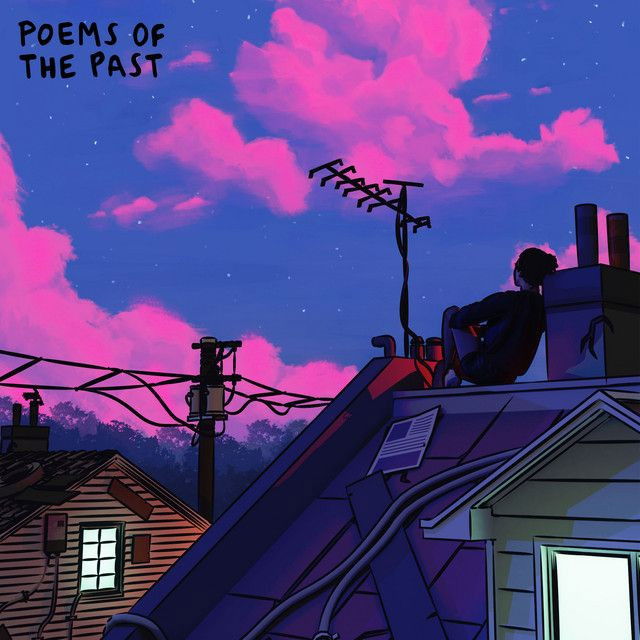
Why 'im used to it' by Powfu Hurts
A small song about a big kind of loneliness
The meaning of im used to it Powfu centers on a teenager who feels pushed to the edge of school life, friendship, and romance. The song is not just about having a crush. It is about getting so used to rejection that pain starts to feel normal.
"im used to it" - Powfu
I been chasing dreams hope it works out
Shooting for the stars got me burnt out
Loading lyrics...
Unable to load lyrics
We're unable to display the lyrics at this time. Please try again later.
Powfu, whose real name is Isaiah Faber, built much of their early music around soft lo-fi production and personal, diary-like writing. That style fits this track well. According to public artist biographies, they began recording as a teen and became widely known through emotionally open songs like "Death Bed". That background helps explain why their music often turns private insecurity into something easy for listeners to recognize.
In this song, the speaker sounds worn down before the first chorus even arrives. They chase dreams, struggle at school, and feel invisible in social spaces. When the hook lands with used to this
, the line does more than complain. It suggests a habit of hurt.

Watch the official im used to it
music video
The narrator feels trapped in two worlds
One of the song's strengths is how it joins two kinds of pressure. The first is ambition. Early lines describe burnout from aiming high and having little else to rely on. The second is everyday school humiliation: being overlooked, mocked, and left out.
That mix matters. The song is not framed like a simple breakup or love song. Instead, it shows a person whose self-worth is being squeezed from several directions at once. They stay in their room, miss major teenage milestones, and do not ask out the person they like because they already expect rejection.
School is the real battlefield
The school details give the song its sharpest meaning. Powfu mentions prom, hallways, grades, richer classmates, and weekend parties. Those details make the story concrete. This is not abstract sadness. It is the daily grind of feeling lower on the social ladder.
When the narrator says they are left alone
, the phrase lands because the song has already shown where that loneliness comes from. They are not alone by choice. They feel sorted into that role by class status, shyness, and bullying.
The crush is less fantasy than rescue
At the center of the song is one kind person. The narrator sees them as the only source of warmth in a dry emotional landscape. That is why the repeated idea that they are the only one
who acts kind matters so much.
Interpretation: the crush may be romantic, but it also represents relief. The person is a symbol of safety, not just desire. The narrator imagines being understood through them. That helps explain why jealousy toward the boyfriend is so strong. It is not only envy. It is frustration that kindness seems attached to someone the narrator sees as unworthy.
There is also a painful imbalance here. The narrator notices this person closely, but cannot bridge the gap between fantasy and action. Near the end, the song becomes almost helpless:
I wanna talk to you but I can't
I wanna walk with you but I can't
Those lines show the real emotional wall. The problem is not just outside cruelty. It is internal paralysis.
How the chorus turns hurt into identity
The chorus is simple, but that simplicity is the point. Repeating used to this
turns one bad day into a pattern. The song suggests that being ignored has happened so often that the narrator now expects it everywhere.
That expectation changes how the rest of the lyrics feel. Even hopeful moments are filtered through defeat. Wanting love, wanting confidence, and wanting to be seen all run into the same thought: this is how life usually goes.
Interpretation: the title phrase is a defense mechanism. If they say they are used to pain, they do not have to admit how much it still hurts. But the shaky emotion in the final section makes clear they are not numb at all.
The sound makes the story feel private
Powfu is strongly associated with lo-fi hip-hop and melodic rap, and that matters here. Their songs often use soft beats and an intimate vocal tone rather than huge pop drama. That style makes "I'm Used to It" feel like a bedroom confession instead of a public outburst.
The production supports the meaning in three ways:
- Muted energy: The beat does not overpower the words, which keeps attention on the narrator's thoughts.
- Looped sadness: Repetition in the chorus mirrors repetitive social pain.
- Close vocal delivery: Their voice sounds near the listener, which suits the diary-like writing.
This is part of why Powfu connected with younger online audiences. After "Death Bed (Coffee for Your Head)" became a major streaming hit and later passed a billion Spotify plays, their style became linked with vulnerable, late-night listening. "I'm Used to It" fits that emotional lane even on a smaller scale.
A song about class, shame, and self-image
Another important piece of the meaning of im used to it Powfu is social comparison. The narrator does not only feel unloved. They feel less successful, less wealthy, less popular, and less polished than the people around them.
That detail gives the song depth. They compare grades, family money, and party culture, then set their own songwriting against all of it. In other words, music becomes both escape and proof of alienation. While others seem to belong, the narrator writes songs alone and gets more angry.
This makes the outburst about fighting feel telling. It sounds like bottled-up humiliation finally leaking out. The anger is real, but underneath it sits embarrassment and grief.
Final takeaway: why listeners still relate
What makes the song stick is its emotional honesty. It captures a common teenage fear: not just being rejected once, but believing rejection is the role life has assigned. The crush, the bullying, and the self-doubt all feed that belief.
So the meaning of im used to it Powfu is ultimately about emotional conditioning. The narrator keeps hoping for connection, yet keeps preparing for disappointment. That tension is why the song feels sad rather than bitter. It still wants tenderness.
This article offers an interpretation based on the lyrics, Powfu's established style, and publicly available artist context. Different listeners may hear the song differently.







