Why Prefab Sprout’s Silliest Hit Cuts Deep
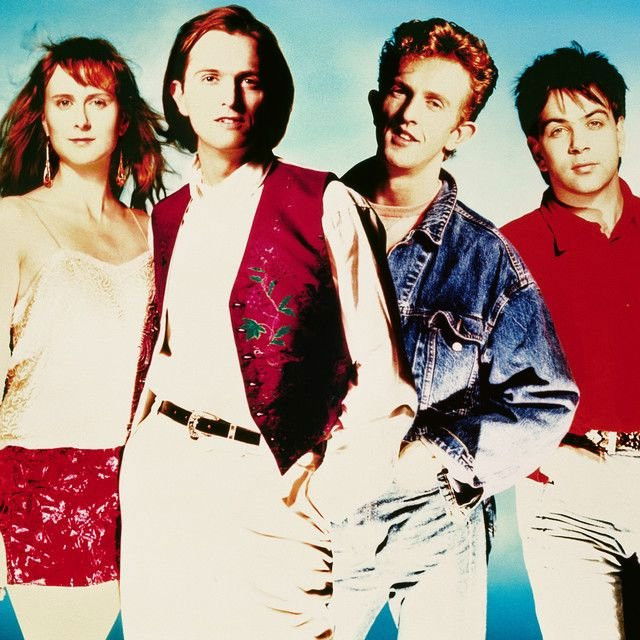
The meaning of The King of Rock 'N' Roll Prefab Sprout starts with a trick: the song sounds goofy, but its heart is bruised. Released by Prefab Sprout in 1988 on From Langley Park to Memphis, the track became one of the band’s best-known songs. It was written by Paddy McAloon, whose songs often mix wit, pain, and sharp observation.
"The King of Rock 'N' Roll" - Prefab Sprout
La, la, la, la, la, la, la, la, la, la
All my lazy teenage boasts
Loading lyrics...
Unable to load lyrics
We're unable to display the lyrics at this time. Please try again later.
On the surface, this is a novelty-pop single full of bounce and nonsense. Underneath, it is about a man clinging to a grand image of himself while time, failure, and loneliness close in. The joke is funny because it hides a real sadness.
The Big Idea Behind the Joke
At its core, the song follows a speaker who keeps calling himself the king of rock 'n' roll
. But the verses undercut that brag almost right away. They describe old boasts returning like ghosts, weak rhythm, and a life where the crowd seems to have moved on.
That contrast is the key meaning. The title sounds triumphant, yet the song keeps showing someone who is not really a king at all. He is performing confidence because the truth is harder to face.
Interpretation: the song is about self-delusion, but not in a cruel way. It treats the speaker with humor and pity. They hear a person using fantasy to survive disappointment.
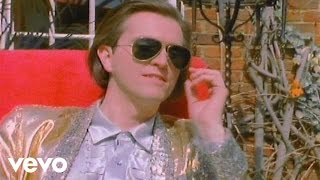
Watch the official The King of Rock 'N' Roll
music video
A Narrator Trapped Between Youth and Reality
The opening points back to adolescence. When the speaker mentions lazy teenage boasts
, the song suggests that youthful swagger has not aged well. Those claims now haunt him, which means the past is no longer a source of pride. It is evidence.
Even romance does not rescue him. When a woman laughs, he responds by insisting on his greatness. That sounds less like confidence than defense. Instead of proving he is important, he reveals how badly he needs to believe it.
This makes the narrator both comic and human. They are not listening to a true star. They are hearing a person trying to keep a legend alive after reality has already torn holes in it.
Why the Chorus Sounds So Ridiculous
The most famous line, Hot dog, jumping frog, Albuquerque
, seems almost meaningless. That is part of its power. It feels like a fake rock slogan, a bit of pop gibberish built to sound catchy and larger than life.
Interpretation: McAloon appears to be parodying the way pop culture can reduce identity to slogans, hooks, and repeatable tags. If a person says something flashy enough often enough, maybe others will believe it. Maybe he will too.
The song’s nonsense chorus also hides the emptiness at the center of the character. He has a giant tagline, but not much substance left behind it. The hook is memorable because it sounds bold while saying very little.
Now my rhythm ain't so hotbut it's the only friend I've got
Those lines reveal the cost of the joke. Music, style, and image are all he has left.
Sound and Production: Bright Candy, Bitter Center
The arrangement matters a lot to the meaning of The King of Rock 'N' Roll Prefab Sprout. The production is glossy, upbeat, and packed with bright pop energy. Horns, backing vocals, and a lively groove give the song a cartoon shine, making it feel almost celebratory.
That musical brightness creates irony. The sound says fun, but the lyric says decline. Prefab Sprout were masters of this split tone, and it is one reason the song lasts. They make the listener smile first, then notice the ache underneath.
Paddy McAloon’s songwriting often worked this way, pairing polished surfaces with emotional complication. The band’s album history shows how often they blended sophisticated pop craft with melancholy themes.
Symbols That Carry the Song
Several images deepen the portrait.
Ghosts of old confidence
The song turns past bravado into haunting. That image suggests memory as punishment. The speaker cannot simply outgrow his younger self; he is chased by it.
Dancing as status
The lyric about never really having danced well suggests more than movement. In rock mythology, dancing can mean charisma, ease, and natural cool. He lacks all three, but still dreams of them.
Style over substance
When the song mentions suede shoes
and baby blues
, it points to a costume of rock stardom. Clothes and attitude become a substitute for achievement. He can still wear the look, even if the life behind it has faded.
Is It Mocking Rock Culture?
Partly, yes. The song pokes fun at the grand myths of pop fame: the king, the swagger, the self-crowning title. It suggests that rock culture often sells identity as theater.
But the song is not only satire. It also understands why people need these myths. A person who feels ordinary, aging, or left behind may build a brighter version of themselves just to get through the day.
That balance keeps the song from becoming mean. The character is absurd, yet they are also vulnerable. Listeners can laugh at him and still recognize something familiar in his need to matter.
Why the Song Still Connects
Many listeners first remember the chorus and only later hear the sadness. That delayed impact is why the song has endured. It captures a common fear: what if the self they built in youth cannot survive adult reality?
The answer the song gives is complicated. Fantasy can protect a person, but it can also isolate them. By the end, when the pretty birds are gone and he is left alone, the crown looks imaginary.
So, the meaning of The King of Rock 'N' Roll Prefab Sprout is not that this man is a legend. It is that he needs the legend because the ordinary truth hurts. Prefab Sprout turn that need into pop theater—funny, catchy, and quietly devastating.
Interpretation disclaimer: This reading separates clear lyrical details from informed interpretation. As with many Prefab Sprout songs, listeners may hear different shades of satire, sympathy, and self-invention.








