Why "Manic Monday" Still Feels So True
The meaning of Manic Monday Prince starts with a simple idea: Monday can feel like a rude interruption of real life. The song captures that exact moment when rest, romance, and fantasy crash into alarms, trains, and work.
"Manic Monday" - Prince
I was just in the middle of a dream
I was kissin' Valentino
Loading lyrics...
Unable to load lyrics
We're unable to display the lyrics at this time. Please try again later.
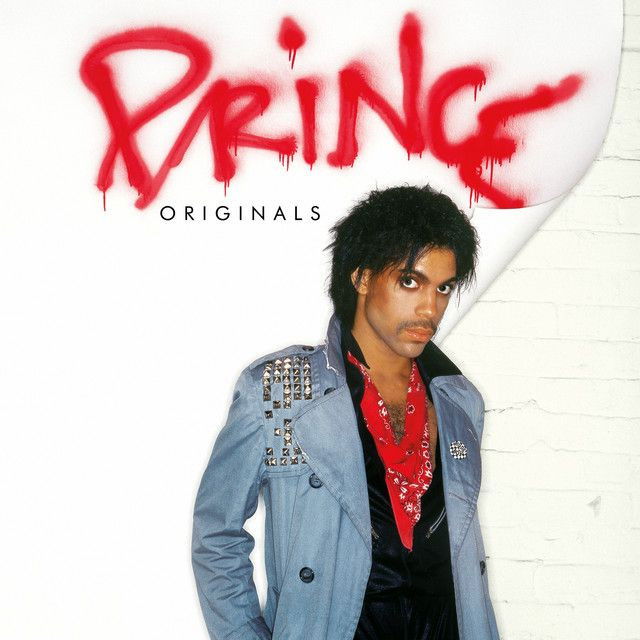
Though most listeners know the Bangles' hit version, the song was written by Prince under the pseudonym "Christopher" and released by the Bangles as the lead single from Different Light in 1985, later becoming a major 1986 hit. Prince's own demo finally appeared on Originals in 2019. Those facts are widely documented in major reference sources and release histories, including the song's archival background.
A Small Story About a Very Big Feeling
At its core, the song is about everyday pressure. The narrator wakes at six o'clock already
, still caught between sleep and responsibility. Before the day even begins, they are already behind.
That is why the song feels bigger than a weekly complaint. It is really about the emotional whiplash between private desire and public duty. One minute there is a glamorous dream; the next, there is a paycheck to protect and a boss waiting at work.
Interpretation: Prince turns a routine Monday morning into a symbol of adult life itself. The larger meaning is not just hating Mondays. It is about how work schedules often overpower pleasure, intimacy, and even identity.

Watch the official Manic Monday
music video
From Dreamscape to Time Clock
The opening verse does a lot quickly. The narrator is pulled from a romantic fantasy and dropped into a world of lateness, money, and unfinished tasks. That shift matters because it sets up the whole emotional logic of the song.
A few key beats drive the narrative:
- They wake from a dreamy, movie-like scene.
- They remember they cannot be late.
- The commute and getting ready become a battle.
- The night before still lingers in their mind.
- The chorus sums up the stress in one phrase:
just another manic Monday
.
That structure is why the song feels so vivid. It is not abstract. It is built from ordinary details, including clothes, trains, and work hours, all of which make the frustration believable.
Why Sunday Matters So Much
The chorus works because it is so direct. When the singer says I wish it was Sunday
, they are not only asking for a different day on the calendar. They are asking for relief.
Sunday becomes the song's symbol for breathing room. The line about an I don't have to run
day gives the track its emotional center. Running here means more than physical motion. It suggests constant performance: showing up, staying on time, looking right, earning money, and keeping life together.
Interpretation: In that sense, Sunday is freedom, while Monday is obligation. Prince compresses a whole social experience into a catchy hook that almost anyone can recognize.
Romance, Money, and Mixed Priorities
One of the smartest parts of the lyric is the bridge. The narrator is not only tired from sleep loss or commuting. They are also distracted by pleasure. The previous night with a lover still has emotional weight, which makes the morning feel even harsher.
That contrast sharpens the song's meaning. Love and desire are immediate and alive, while work feels imposed and mechanical. Yet the lyric never fully rejects work. The narrator knows they need the job. That is why the tension lands.
But I can't be late
'Cause then I guess
I just won't get paid
Those lines are brief, but they reveal the stakes. This is not laziness. It is the anxiety of someone trapped between human wants and economic reality.
How the Sound Makes the Stress Feel Bright
Part of the song's brilliance is that it sounds cheerful while describing pressure. The Bangles' version wraps the lyric in bright harmonies, crisp guitars, and polished pop-rock production. That arrangement helped turn Prince's writing into a radio staple.
Susanna Hoffs led the vocal with a tone that feels warm rather than defeated, and producer David Kahne helped shape the clean, accessible sound associated with the hit recording. The track's upbeat pulse and major-key feel keep the song moving, almost like the rushed morning it describes.
This matters for interpretation. If the music were darker, the song might feel cynical. Instead, its sparkle suggests resilience. The narrator is overwhelmed, but they are still functioning, joking, and pushing through.
Prince's Fingerprints Are Everywhere
Even in the Bangles' version, Prince's songwriting style is easy to hear. He loved turning tight situations into catchy pop, and he often mixed desire, time pressure, and everyday scenes in a way that felt playful and sharp at once.
According to widely cited accounts of the song's history, Prince first wrote it in 1984 and offered it under the name "Christopher." The Bangles reshaped it into their own style, and members later described the result as a kind of "Banglefication" of his demo. That phrase fits: the core writing is Prince, but the final hit has the Bangles' harmonies and California-pop charm all over it.
The result was huge. The song reached No. 2 on the Billboard Hot 100, held back from No. 1 by Prince and the Revolution's Kiss
. That chart fact only adds to the story: Prince was competing with his own songwriting success.
Why the Song Endures
The lasting power of the meaning of Manic Monday Prince comes from how ordinary it is. There is no grand tragedy here, just a rushed morning. But that is exactly why it lasts.
Most people know the feeling of waking up too soon, replaying a better night, and wishing the day would pause. Prince gave that feeling a perfect pop frame, and the Bangles delivered it with charm instead of self-pity.
Final Take
"Manic Monday" is about more than disliking Mondays. It is about the collision between fantasy and responsibility, pleasure and labor, personal time and paid time. Its genius lies in making that tension sound light, memorable, and deeply human.
Disclaimer: This interpretation is based on the song's lyrics, recording history, and documented context. As with all art, listeners may hear meanings that differ from this reading.







