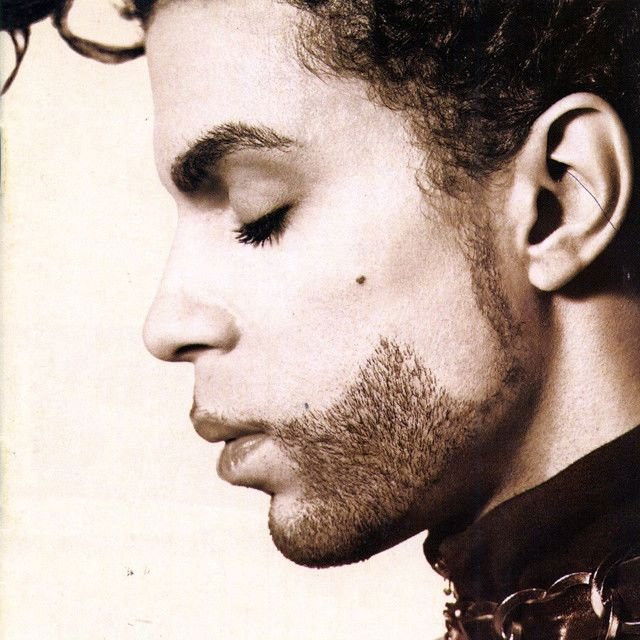
Sign 'o' The Times by Prince
Why This Song Still Feels Like a Headline
The meaning of Sign 'o' The Times Prince starts with a simple idea: they turn the news of the late 1980s into a pop song that feels cold, urgent, and human at the same time. Rather than telling one story, Prince strings together snapshots of crisis—disease, addiction, poverty, violence, war fears, and media overload. The result is not just protest music. It is a portrait of a world that seems to be spinning faster than people can process.
"Sign 'o' The Times" - Prince
In France, a skinny man died of a big disease with a little name
By chance his girlfriend came across a needle and soon she did the same
Loading lyrics...
Unable to load lyrics
We're unable to display the lyrics at this time. Please try again later.
Released in 1987 as the lead single from Sign o' the Times, the track marked a clear shift in Prince's writing. The album arrived after the end of the Revolution and after earlier projects were reshaped into a double LP, according to documented album history and recording notes from major reference sources. Critics and historians now often treat the album as one of Prince's peaks.
Watch the official Sign 'o' The Times
music video
A Song Built from Bad News and Bigger Questions
At the lyric level, Prince moves from one alarming image to another. They mention illness with the phrase a big disease
, then jump to gang culture, drug use, natural disaster, child hunger, and the dream of space travel. Each example is brief, almost like a TV news bulletin.
That structure matters. Instead of slowing down to explain each tragedy, Prince piles them up. This gives the song its breathless mood. The listener feels what it is like to live in a culture where every screen seems to deliver one more shock.
Interpretation: The song is not only about specific events. It is also about numbness. When terrible headlines become constant, people can start to feel detached. Prince seems to fight that detachment by making every line hit fast and hard.
The Chorus Turns Chaos into a Warning
The hook is tiny, but it carries the whole song. When Prince repeats Sign o' the times
, they are naming these events as symptoms of a larger condition. The phrase suggests that the disasters are not random. They are clues about what the age values, fears, and ignores.
Later, the song shifts from reporting to pleading. Prince says mess with your mind
, which makes the warning personal. Social collapse is not only political; it is psychological. The outside world gets inside people.
That is why the ending lands so strangely. After all the damage, Prince suddenly imagines love, marriage, and a child. This sounds almost naive at first. But it also offers a fragile answer: if the era is broken, ordinary human connection may be one way to resist it.
A Sparse Sound for a Crowded World
One reason the song remains so effective is its production. Prince built it with a famously stripped-down arrangement, using Fairlight textures and drum-machine programming rather than a lush band sound, a choice noted in reporting on the album's sessions and by engineer Susan Rogers in retrospective coverage. The groove is dry, twitchy, and tense.
That sparseness supports the lyrics. A richer arrangement might have softened the message. Instead, the beat feels exposed, almost skeletal. There is room around each line, which makes every image sound harsher.
How the Music Sharpens the Message
A few key choices stand out:
- The drum pattern feels rigid, like a machine counting down.
- The synth sounds are thin and eerie, not warm.
- Prince sings with control rather than melodrama.
- The lack of clutter keeps attention on the words.
Interpretation: The production mirrors a society that feels modern but emotionally empty. The track grooves, but it does not comfort.
Prince's Career Context Changes the Meaning
This song hit at a turning point. Prince had already proven they could dominate pop, funk, rock, and R&B. But here they leaned harder into social commentary. Susan Rogers told American Songwriter that the track represented a departure for him lyrically
. That comment helps explain why the song felt so striking in 1987.
The larger album was also ambitious in scope. Released in March 1987, Sign o' the Times was Prince's first solo album after disbanding the Revolution and drew from several abandoned projects before becoming a double album. That messy creation story fits the music itself: the album is wide-ranging, but this title track is brutally focused.
Key Lines and What They Point Toward
Prince's images are famous because they connect private pain to public failure. One of the sharpest moments contrasts hunger on Earth with the idea that we're sending people to the moon
. In plain terms, the song asks why society celebrates grand achievements while basic human needs go unmet.
Another section questions why people keep chasing danger and glory even after disaster. Prince does not fully answer that question. They simply leave the listener with the confusion.
But if a night falls and a bomb fallsWill anybody see the dawn?
In paraphrase, this moment moves from everyday bad news to apocalypse. It widens the song's lens. The problem is no longer one tragedy or one nation; it is a civilization living under the shadow of its own choices.
Why the Song Lasts
Part of the reason this track endures is that it never sounds trapped in 1987. Its references come from that era, including AIDS panic, drug fear, and Cold War anxiety, but its method still feels current. It captures the experience of scrolling through crisis after crisis and wondering what kind of future can survive that pressure.
It also lasts because Prince avoids easy preaching. They diagnose, they warn, and then they reach for love. That final move keeps the song from becoming hopeless. The message is dark, but not dead.
Final Take on the Meaning
The meaning of Sign 'o' The Times Prince is that a society can look advanced and still be morally lost. Prince gathers public disasters into one stark collage, then asks what kind of people such a world is creating. Interpretation: their answer is uneasy but not empty—love, intimacy, and awareness may be small, but they are still forms of resistance.
This reading is an interpretation based on the song, its recording context, and public commentary around its release and legacy.