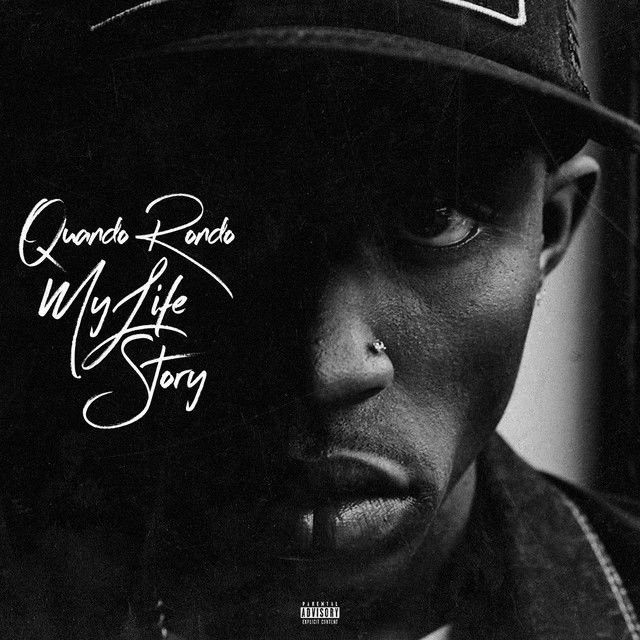
Why ‘My Life Story’ Hits So Hard
The meaning of My Life Story Quando Rondo starts with a simple idea: they are trying to explain how pain becomes identity. The song is not just a list of hard moments. It is a self-portrait built from betrayal, family trauma, street codes, and the fear that survival can still leave a person emotionally damaged.
"My Life Story" - Quando Rondo
Ooh-whoa, oh-oh, oh
I used to call you my lil' bro, you went and broke the code
Loading lyrics...
Unable to load lyrics
We're unable to display the lyrics at this time. Please try again later.
Written by Keyshawn Lawson and Tyquian Bowman, the track frames autobiography as confession. Even before the details pile up, the chorus gives the emotional center: trust is broken, love feels absent, and the past keeps returning.
A Memoir Told Like a Warning
The song’s biggest strength is how clearly it links childhood hardship to adult paranoia. Quando Rondo moves through memories of an absent father, addiction around the home, and early exposure to street life. Instead of sounding detached, they make those memories feel active in the present.
That is why lines about dreaming of danger matter so much. When they mention my killer
, the point is not only physical fear. It also suggests a life so tense that even sleep offers no peace. The song treats trauma as something that follows them everywhere.
Another key phrase is broke the code
. In plain terms, they are talking about betrayal by someone once treated like family. That broken loyalty becomes one of the song’s main wounds. The track is full of violence, but the emotional betrayal seems to cut deepest.
Watch the official My Life Story
music video
How the Verses Build Their Past
The verses work almost like snapshots from a timeline. They mention childhood instability, being pushed into survival mode early, and trying to find direction through music after street life proved dangerous and limiting.
A few major story beats stand out:
- They describe a childhood shaped by absence and stress.
- They connect neighborhood life to early street education.
- They show rap as both escape and purpose.
- They contrast old support systems with new fake loyalty.
This structure matters because it keeps the song from feeling random. Each detail explains why the speaker sounds both proud and wounded. They survived, but survival did not heal them.
The Hook Turns Pain Into Symbol
The chorus gives the song its most memorable imagery. When they say life feels like a red rose
and later like a dead rose
, they turn biography into symbol. A rose suggests beauty, youth, and the chance to grow. A dead rose suggests that chance has been damaged by the environment around it.
Interpretation: this flower image may be the song’s best summary of identity under pressure. They do not present themselves as innocent in a simple way. Instead, they sound like someone who had potential but was shaped by a world that kept cutting it back.
The line about meeting at the crossroads
adds another layer. In American music, that image often points to fate, spiritual struggle, or life-changing decisions. Here it sounds like emotional exhaustion: they have been hurt so many times that every path feels costly.
Betrayal Matters as Much as Poverty
Many listeners will focus first on the poverty and violence in the lyrics, and those themes are central. But the song’s emotional engine is betrayal. The repeated return to broken loyalty tells them that street hardship alone is not the whole story.
That is why the refrain lands so hard. The pain is not only about what the world did. It is also about what trusted people did. In the song’s logic, enemies are expected; betrayal from a brother figure is harder to accept.
love don't live here
knife to my throat
This short section sums up the mood of the hook. It does not just describe danger. It says affection has been replaced by threat, which turns the track into a statement about emotional isolation.
Why the Production Feels So Heavy
The beat supports the meaning by avoiding triumph. The production tag and melodic style suggest a reflective Southern rap ballad, with soft keys, a slow pulse, and enough empty space for the voice to carry grief. Instead of racing forward, the instrumental lingers.
That choice matters. A more aggressive beat might have made the song sound like pure toughness. Here, the production leaves room for sadness, memory, and regret. Their vocal approach also helps: they slide between rapping and singing, which makes the story feel more personal than performative.
Artist Context Sharpens the Song
Quando Rondo’s music often blends street detail with raw vulnerability, and this song fits that pattern. They have built a reputation for emotionally direct storytelling in melodic trap, where pain is rarely hidden behind cool distance. “My Life Story” leans into that strength by making autobiography the whole point.
Interpretation: the song can also be heard as a defense of their own complexity. They are not asking to be seen only as a street figure or only as a victim. They want the full picture: ambition, hurt, code, family, anger, and grief all at once.
What “My Life Story” Ultimately Says
The meaning of My Life Story Quando Rondo is that a person’s past does not stay in the past. In this song, childhood wounds, neighborhood rules, and betrayal keep shaping how they see love, loyalty, and even survival itself.
That is why the track lasts in listeners’ minds. It feels less like a performance than a reckoning. They are telling the story of how someone keeps moving forward while carrying proof that the road behind them was brutal.
Disclaimer: This interpretation is based on the lyrics, performance, and publicly known artist context. Like most songs, “My Life Story” can support more than one reading.








