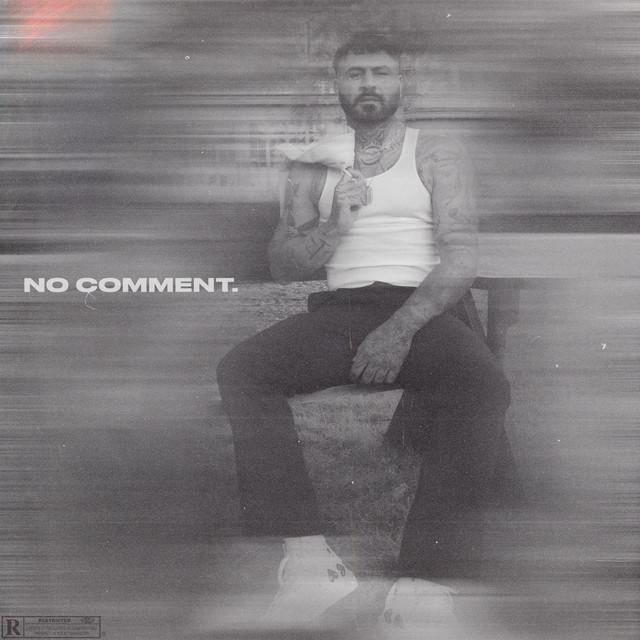
Why 'trippin'' by Questions Feels So Lost
The meaning of trippin' Questions comes through fast: this is a song about being emotionally off-balance while trying to get back to someone who matters. It mixes party language with regret, so the mood is not carefree for long. Even when the speaker sounds loose and social, the hook keeps pulling the song back to confusion, distance, and failed self-control.
"trippin'" - Questions
I keep on just stumbling, trynna find my way to you
My way to you)
Loading lyrics...
Unable to load lyrics
We're unable to display the lyrics at this time. Please try again later.
Because the lyrics are brief and repetitive, the feeling matters as much as the story. The song does not build a complex plot. Instead, it circles one idea: they know they are making a mess of things, but they cannot stop themselves.
A Hook Built on Confession
The chorus gives away the emotional center almost immediately. When the speaker says I'm trippin
and admits they are never gon' listen
, they are not bragging. They are confessing a pattern of bad judgment.
That matters because the next image deepens it. The line about just stumbling
while trying to find a way back suggests more than physical clumsiness. It sounds like emotional disorientation. They want connection, but they are moving through life without steadiness.
Trippin, I'm trippin
I keep on just stumbling
trynna find my way to you
This short refrain is the clearest summary of the song. They are lost, they know it, and they still hope they can return to someone important.
The Real Conflict Is Not the Party
On the surface, the verse looks simple. There is drinking, friends, and the loose energy of a night out. The mention of Bud Light
grounds the song in a very ordinary American social setting. That detail makes the scene feel less glamorous and more everyday.
But the verse quickly shifts. What starts as drinking for fun becomes a sign that the speaker is trying to numb something. The mood turns when they wonder why it feels like we're losing
. That line introduces the real problem: alcohol may fill the night, but it does not repair the relationship.
Interpretation: the song treats intoxication as both a social ritual and a barrier. The speaker uses it to cope, yet it also makes them less able to listen, less able to change, and less able to reconnect.
Who Are They Trying to Reach?
The lyrics never fully define the person addressed as you
. That ambiguity gives the song some range. Most listeners will hear it as a romantic song about someone trying to return to a partner after drifting away.
There is support for that reading. The repeated goal of finding a path back suggests emotional separation, while the line about losing touch points to a bond that once felt strong. The phrase better for us
adds another layer. It sounds like they know the relationship may already be too damaged, or maybe both people are better off apart.
Interpretation: this tension makes the song more honest than a simple apology track. They do not promise change. They only admit confusion and loss.
How Repetition Becomes the Message
One reason the song lands is its heavy repetition. The chorus returns again and again with nearly no change. That can sound hypnotic, but it also mirrors the speaker’s mental state.
They are stuck in a loop:
- Drink with friends.
- Feel briefly lifted.
- Realize something important is slipping away.
- Return to the same thought of trying to get back.
This cycle is the song’s structure and its meaning. Instead of showing growth, the lyrics show emotional repetition. They keep saying the same thing because they keep living the same night, or at least the same mistake.
Sound and Style: Loose, Direct, and Hazy
Only limited factual background is available from the prompt, including that Jose Nieves Jr. wrote the song. Without verified production credits, the safest reading comes from the lyrics themselves and the style they imply.
The writing is plainspoken and melodic. There is no heavy metaphor, and that works in the song’s favor. A phrase like find my way to you
is familiar, but here it feels effective because it is paired with stumbling, drinking, and not listening. Those details keep the emotion grounded.
Interpretation: the production likely works best if it supports that hazy repetition rather than overpowering it. A steady beat, looped vocal phrasing, and a soft blur in the delivery would fit the lyric’s feeling of drifting through a night that is fun on the outside and sad underneath.
A Song About Accountability Without Resolution
The strongest thing about the meaning of trippin' Questions is that it does not fake a clean ending. The speaker knows they are part of the problem. They admit poor judgment, emotional distance, and the false comfort of drinking.
Still, the song stops short of redemption. They do not say they have fixed anything. They only keep reaching toward the same person while remaining trapped in the same habits.
That is why the song feels relatable. Many tracks about heartbreak focus on blame or grand declarations. This one is smaller and messier. It captures the moment when someone sees the damage clearly but still does not know how to act differently.
Why the Song Connects
For listeners in the United States, the song’s details feel recognizable: cheap beer, late-night confusion, friends around, and private regret hiding inside a public scene. That everyday setting gives the emotion credibility.
In the end, the song is less about partying than about failing to grow in time. It shows a person who keeps drifting away from what they care about most, then wonders if the distance has become permanent.
Disclaimer: This interpretation is based on the lyrics provided and limited confirmed context. Meanings can vary by listener, and without direct comment from the artist, some points remain informed interpretation rather than established fact.








