Why “I’ll Be Good to You” Still Feels So Warm
The meaning of I'll Be Good to You Quincy Jones, Ray Charles, Chaka Khan comes down to a simple but lasting idea: love is being offered as a promise of care. Yet the song is not only sweet. It also carries urgency, because the singer seems to feel a relationship may need reassurance right now.
"I'll Be Good to You" - Quincy Jones ft. Ray Charles, Chaka Khan
Just how you feel, girl
Said I want to know
Loading lyrics...
Unable to load lyrics
We're unable to display the lyrics at this time. Please try again later.
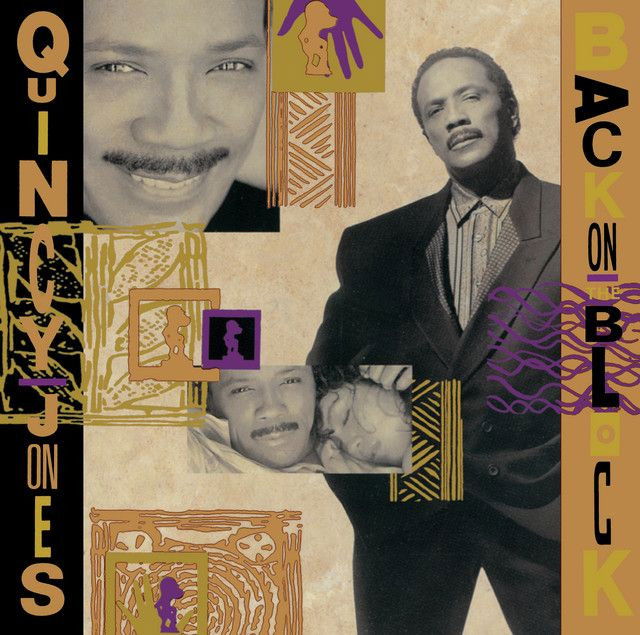
Quincy Jones’s 1989 version gave that message a new shape. Originally a 1976 hit by the Brothers Johnson, the song was produced by Jones in both eras, which makes the remake feel like a return to a story he already understood. The later version, featuring Ray Charles and Chaka Khan, hit No. 1 on Billboard’s R&B chart and became Ray Charles’ first R&B chart-topper in 24 years, according to its chart history and release details documented by reference sources.
A Promise at the Center of the Song
At its heart, the song is about someone asking for honesty and offering devotion in return. Early lines ask whether the other person’s feelings are real, using phrases like how you feel
and if what you feel is real
. That matters because the speaker is not acting fully secure.
They are not just celebrating love; they are checking its foundation. The song suggests a long relationship that now needs fresh proof. When the lyric mentions being together for a long time and not wanting to lose a happy home
, it frames romance as something built over time, not something casual.
Interpretation: This makes the song sound less like flirtation and more like renewal. The speaker seems to know that history alone cannot save a relationship. They must say what they mean and back it up.
Watch the official I'll Be Good to You
music video
The Chorus Turns Feeling Into Action
The chorus is powerful because it is so direct: I’ll be good to you
. That line is not poetic in a complicated way. It is plain, almost conversational, and that is why it lands.
Instead of describing love as a dream, the song describes it as treatment, behavior, and daily care. The repeated hook keeps returning to the same idea until it feels like a vow. Even when the surrounding ad-libs get playful, the core message stays steady.
The way we love and the way we cry
Of all these things, there comes a time
Makes me feel that it’s worth a try
These lines broaden the meaning. The relationship includes joy and pain, truth and missteps, closeness and tension. The song says that real love includes all of it, and still may be worth choosing again.
A Relationship With a Little Tension Inside
One reason the song lasts is that it is warmer than it is perfect. The singer wants trust, but they also sound like someone trying to persuade. That gives the lyrics movement.
There is a gentle push-and-pull between confidence and worry. The speaker says they will care for their partner, but they also keep asking for emotional clarity. That combination creates drama without turning the song dark.
Interpretation: Listeners can hear two possible meanings at once:
- a sincere promise to do better in love
- a last-minute attempt to keep a bond from slipping away
Both readings fit the lyric. That ambiguity gives the song emotional depth.
How Quincy Jones’s Production Changes the Message
The 1989 version matters because Quincy Jones did not simply remake an old hit. He updated its emotional language through sound. The original Brothers Johnson recording came from a mid-1970s R&B/disco setting. The later version moved into late-1980s new jack swing, with programmed drums, bright keyboards, and a sharper rhythmic snap.
That production style makes the promise feel more public and more theatrical. According to documented personnel listings, the track included players such as Greg Phillinganes and David Paich on keyboards, Louis Johnson on bass, George Johnson on guitar, and Bruce Swedien on drum programming. Those details help explain why the groove feels both slick and muscular.
The beat gives the song confidence. The synthesizers add shine. And the bass keeps everything grounded, so the romantic promise never floats away into softness.
Why Ray Charles and Chaka Khan Matter So Much
Ray Charles brings weight to the song. His voice sounds lived-in, which makes the promise feel tested by time. Chaka Khan, by contrast, adds fire, lift, and boldness. Together, they turn a simple pledge into a conversation across styles and generations.
That pairing is part of the song’s emotional appeal. Charles sounds like commitment earned through experience. Khan sounds like love spoken with energy and self-belief. Their chemistry keeps the song from feeling one-note.
When the lyric moves into material promises, including references to shopping and credit cards, the tone becomes a little playful. But it also reveals something important: the speaker is trying to make love visible through actions and gifts. That can sound generous, but it can also sound like overcompensation.
The Bigger Meaning of “I’ll Be Good to You”
So what is the meaning of I'll Be Good to You Quincy Jones, Ray Charles, Chaka Khan? It is a song about recommitment. It says love is not only passion or history. It is a decision to care well for someone, especially when the relationship has already seen both happiness and strain.
Its best insight is also its simplest: promises matter most when they come after difficulty, not before it. That is why the song still connects. It turns romance into a choice they must keep making.
Final Thought on Its Lasting Pull
The song remains appealing because it sounds joyful while admitting that relationships are not effortless. Its hook is easy to remember, but its emotional core is more mature than it first appears.
This article offers an interpretation based on the lyrics, performance, and release context. As with any song, meaning can vary from listener to listener.








