Why “Bump N' Grind” Still Sparks Debate
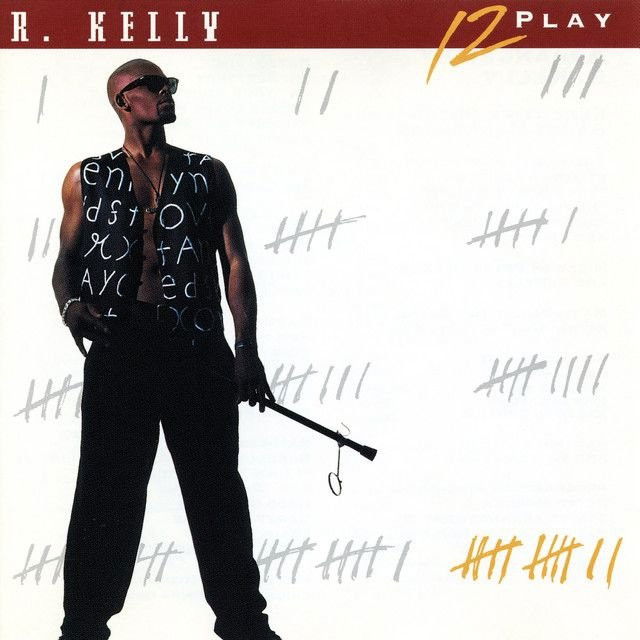
The meaning of Bump N' Grind R. Kelly starts with a simple tension: desire battling restraint. Released in 1994 as a single from 12 Play, the song became one of R. Kelly’s biggest hits, reaching No. 1 on the Billboard Hot 100 for four weeks and spending 12 weeks atop the Hot R&B chart. Those chart facts help explain why the song became so central to 1990s R&B history.
"Bump n' Grind" - R. Kelly
Baby, I don't wanna hurt nobody
But there is something that I must confess (to you)
Loading lyrics...
Unable to load lyrics
We're unable to display the lyrics at this time. Please try again later.
At the same time, the track now carries a heavy cultural shadow because of Kelly’s later criminal convictions. That does not erase the song’s musical impact, but it does affect how many listeners hear it today. Any reading of the song now has to hold both truths at once.
The Hook Is a Confession, Not a Love Song
At its core, the song is about physical desire presented as an inner argument. The famous opening line, paraphrased simply, says the speaker’s conscience resists what their body wants. The phrase my mind's tellin' me no
sets up a conflict, while my body's tellin' me yes
turns that conflict into the song’s main drama.
This matters because the track is not really about romance in a deep emotional sense. It is about urge, temptation, and rationalization. The singer does briefly claim care for the other person, saying he does not want to hurt anybody, but the song keeps circling back to the same point: he wants to act on desire.
Interpretation: That is why the record feels less like a conversation and more like self-persuasion. The singer is trying to convince both the listener and himself.

Watch the official Bump n' Grind
music video
The Chorus Turns Desire Into an Argument
The chorus is one of the most direct in 1990s R&B. When Kelly repeats I don't see nothing wrong
and pairs it with a little bump and grind
, he reduces the whole song to a defense of sexual intimacy.
That repetition is important. Instead of building a story with twists, the song keeps restating its case. In plain terms, the singer treats desire as normal, mutual, and beyond moral concern. The hook is catchy because it is so blunt, but that bluntness is also what gives the song its uneasy edge.
My mind's tellin' me no
But my body's tellin' me yes
Those two short lines contain the whole emotional engine of the track. One side names restraint. The other side overrules it.
The Verses Build a Seduction Script
Outside the chorus, the verses add detail to the scenario. The singer tells a woman he knows what she wants, suggests that another man is not treating her right, and presents himself as the one who can satisfy her needs. Phrases like bring your body to me
show how quickly the song moves from emotional setup to physical invitation.
This is where the song’s perspective becomes clear. The speaker is not reflecting deeply on a relationship. He is pitching himself. He offers comfort, attention, and exclusivity, but all roads lead back to the same goal.
Interpretation: That structure makes the song feel like a seduction monologue. Even when it sounds tender, the tenderness supports persuasion.
Why the Sound Feels So Intimate
Part of the song’s staying power comes from its production. According to widely cited release information, Kelly wrote, produced, and performed the track himself for 12 Play. The arrangement is slow and roomy, with soft keyboard tones, synthetic strings, a steady drum pattern, and stacked background vocals.
That production matters for meaning. A faster beat might have made the song playful or club-focused. This slower groove makes it feel private, late-night, and close. The vocal style does a lot of work too: long melisma, sighs, and held notes blur the line between singing and physical expression.
In other words, the music does not just accompany the lyrics. It deepens the song’s mood of temptation. The softness of the arrangement makes the message sound smoother, even when the words are very direct.
Why It Became So Huge
Commercially, the song was enormous. It interrupted Ace of Base’s run at No. 1 on the Hot 100 and helped establish Kelly as a major solo star after his split from Public Announcement. It also won the 1995 Soul Train Award for Male R&B/Soul Single.
There are a few reasons it connected so strongly:
- the opening line is instantly memorable
- the chorus is repetitive in a radio-friendly way
- the slow-jam production fit 1990s R&B perfectly
- the vocal performance sounds both polished and raw
That combination made the song easy to remember and easy to sing along with, even though its structure is very simple.
The Complicated Legacy Around the Song
Today, the meaning of Bump N' Grind R. Kelly cannot be discussed in a vacuum. Kelly’s later convictions have changed the context around his sexually charged music. For many listeners, the song now sounds less like harmless seduction and more like a troubling example of how desire was framed in his catalog.
That shift is about context, not lyric transcription. The words on the page still present lust and justification. But public knowledge changes interpretation. A song once heard mainly as a sensual anthem is now often heard through moral discomfort.
What the Song Ultimately Says
In the end, “Bump N' Grind” is about desire trying to excuse itself. Its central message is not subtle: the singer admits hesitation, then tries to talk past it. That is why the song remains memorable. It turns an internal conflict into a hook and a hook into a cultural flashpoint.
Interpretation disclaimer: This article offers a good-faith reading of themes, lyrics, and sound based on publicly available information and the song itself. Interpretations can vary from listener to listener, especially given the artist’s later public history.








