Why 'Diggin' Up Bones' Still Hurts
The meaning of Diggin' Up Bones Randy Travis comes down to one painful idea: some breakups do not end when the relationship ends. They keep living in drawers, closets, and quiet rooms. In this song, Randy Travis gives that feeling a sharp country metaphor. The narrator is not moving on. They are going back, item by item, and waking up grief.
"Diggin' Up Bones" - Randy Travis
I set it on the table and I talked to it 'til four
I read some old love letters right up 'til the break of dawn
Loading lyrics...
Unable to load lyrics
We're unable to display the lyrics at this time. Please try again later.
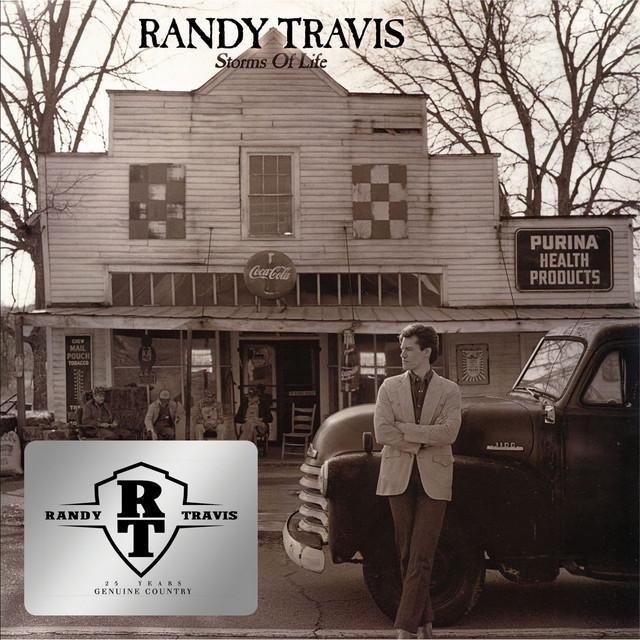
Released on Storms of Life in 1986 and produced by Kyle Lehning, the song became Randy Travis' second No. 1 country hit in the United States, a major step in his early rise as a star. It was also a No. 1 country hit in Canada, and it later earned RIAA Gold certification for digital sales and streams. Those facts help explain why the song still matters: it paired classic country heartache with clear, unforgettable writing.
A Breakup Song Built Like a Late-Night Search
At the story level, the song is simple. A man spends the night pulling old relationship items back into view. He looks at a photo, reads old letters, finds the wedding rings, and opens the closet. None of these actions repairs the relationship. They only deepen the hurt.
That is why the title works so well. The phrase diggin' up bones
turns memory into burial imagery. The relationship is over, but the narrator keeps acting as if it can be revived. The song makes clear that they are disturbing something buried.
Interpretation: The real conflict is not with the absent partner. It is with memory itself. The narrator knows these keepsakes are dangerous, yet they keep reaching for them.

Watch the official Diggin' Up Bones
music video
The Chorus Turns Memory Into a Graveyard
The chorus gives the song its emotional key. When the narrator says better left alone
, the writing adds self-awareness. This is not confusion. They understand these memories will hurt.
The next idea is even darker. The song describes them as resurrecting memories
of dead and gone
love. That language matters because it frames heartbreak like a private funeral that never fully ended. The past is not simply remembered; it is brought back to life for one more round of pain.
In plain terms, the chorus says: they are choosing to reopen a wound. That choice is what makes the song more than a sad inventory of old objects.
Small Objects, Big Meaning
One reason the song lands so hard is its use of ordinary items. The picture, letters, rings, and clothing are not grand symbols. They are common things many people keep after a breakup. That makes the story feel real.
Each object carries a different kind of memory:
- The photo freezes the relationship in a happier time.
- The letters preserve words that once felt true.
- The wedding rings represent vows and legal commitment.
- The clothing recalls physical closeness and desire.
The ring scene is especially telling. He puts his own ring back on, then throws hers away. That split action suggests mixed feelings. Part of him still clings to the bond, while another part is angry enough to reject it.
Interpretation: The song is not just about sadness. It also contains pride, resentment, longing, and self-punishment.
Randy Travis Sings It Without Overplaying It
Randy Travis was central to the neotraditional country movement of the 1980s, and this song shows why. His voice is steady, deep, and restrained. He does not push the drama too hard. Instead, he lets the plainspoken lines do the work.
That restraint strengthens the lyric. If the vocal had been too theatrical, the graveyard metaphor might have sounded melodramatic. Travis makes it feel lived-in.
The production helps too. The song is a mid-tempo country ballad, with classic instrumentation and enough space around the vocal to keep the focus on the story. Nothing distracts from the lonely setting. It sounds like a quiet room after midnight, which fits the lyric perfectly.
Why It Fit Randy Travis So Well
The song arrived during a key moment in Travis' career. After years of trying to break through in Nashville, he emerged with Storms of Life, an album that helped bring traditional country sounds back to the center of the format. Songs like this one proved that simple storytelling could still dominate country radio.
The writing also came from proven country craftsmen. Official credits list Paul Overstreet, Al Gore, and Nat Stuckey. Songfacts notes that Overstreet and Gore built the song from a strong title idea in 1983, which makes sense because the title carries so much of the concept.
Its success was not just commercial. It helped define what listeners expected from Travis: emotional honesty, classic country themes, and songs that sounded timeless rather than trendy.
A Lasting Meaning Beyond the Plot
The meaning of Diggin' Up Bones Randy Travis is ultimately about what people do when they cannot accept emotional finality. The song understands a common habit: going back through reminders of a lost love even when doing so makes healing harder.
That is why it still connects. Most listeners have had a night when they looked too long at an old photo, reread a message, or held onto something that should have been put away. This song turns that private behavior into a clean, memorable image.
Final Take
Interpretation: The song's deepest message is that grief can become a ritual. The narrator is not finding closure; they are practicing loss.
That is what gives the song its power. It is sad, but it is also honest about how people sometimes keep heartbreak alive themselves.
Disclaimer: This interpretation is based on the lyrics, recording context, and available song history. As with any song, listeners may hear meanings that differ from this reading.









