Why 'I Told You So' Still Hurts
The meaning of I Told You So Randy Travis starts with a painful question: what happens when regret comes too late? Randy Travis turns that idea into a country ballad about pride, loneliness, and the fear of hearing the one answer nobody wants.
"I Told You So" - Randy Travis
And told you that I love you
And suppose I said I want to come back home
Loading lyrics...
Unable to load lyrics
We're unable to display the lyrics at this time. Please try again later.
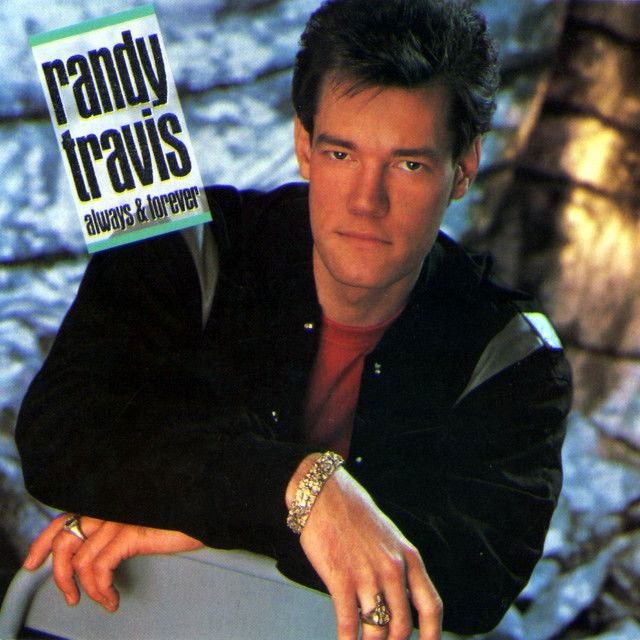
Released on Always & Forever and sent to radio in 1988, the song became a No. 1 country hit and later won Country Single of the Year at the American Music Awards, according to Wikipedia. Its staying power comes from how simple the setup is. A former lover imagines coming back, apologizing, and asking for another chance. But they already know the possible reply may be colder than forgiveness.
A Breakup Song Built on a Hypothetical
What makes this song special is that almost everything is framed as a possibility. The singer does not actually reunite with the other person. Instead, they run through a series of imagined scenes: a late call, a confession, tears, even a marriage-like promise.
That structure matters. It shows someone who is not brave enough to act yet, but cannot stop replaying the outcome in their mind. They picture admitting that they were wrong and that being alone has worn them down. Then they picture the worst response of all: I told you so
.
Interpretation: the song is not only about wanting an ex back. It is about dreading humiliation. The real wound may be less the breakup than the possibility of having their weakness exposed.

Watch the official I Told You So
music video
Who Holds the Power Here?
In the verses, the narrator sounds vulnerable. They imagine saying I love you
and begging to come back home
. Those phrases are simple, but they carry a lot of emotional weight. Home is not just a place here. It suggests safety, routine, and a love they now understand too late.
But the chorus flips the balance. Suddenly the other person holds all the power. They may laugh, reject the apology, and say they have found somebody new
. That idea turns the song from romance into judgment. The singer is not only asking for love. They are standing before a verdict.
The sting of pride
Country music often treats pride as both armor and poison. This song does that beautifully. The narrator wants comfort, but they also fear hearing that they deserved this outcome. The title phrase is brutal because it sounds so ordinary. Almost everyone has heard it in some form.
The Chorus Is More Than a Comeback Line
The chorus works because it says two things at once. On the surface, it imagines the ex speaking with cold confidence. Under that, it reveals the narrator's own guilt. If they expect that answer, then part of them already agrees with it.
Some day you'd come crawling backasking me to take you in
Those lines are harsh, and that is the point. They reduce a tender return into an act of defeat. Love becomes a loss of dignity. In that moment, the song stops being a plea and becomes a study of shame.
Interpretation: the title may be the narrator's inner voice as much as the ex-partner's voice. They may be punishing themselves before any real conversation even happens.
How the Story Moves Emotion by Emotion
The narrative is easy to follow, which helps the song hit hard:
- They imagine reaching out after time apart.
- They admit they were wrong and lonely.
- They dream of mutual tears and renewed closeness.
- They fear rejection, mockery, and replacement.
- They end stuck between hope and self-blame.
That emotional movement is why the song feels bigger than its plain language. Each verse builds from fantasy toward reckoning. Even the tender images of talking for hours and feeling like they once did are shadowed by the same fear: maybe that past is gone for good.
Why Randy Travis's Voice Matters So Much
Randy Travis wrote the song in 1982 and first recorded it before his breakthrough, then re-recorded it for Always & Forever, where it became one of his signature hits. That context matters because Travis built his career on calm, grounded singing rather than flashy drama. Readers can hear that style across his discography.
The production supports the lyric's emotional restraint. The arrangement is classic country: steady tempo, clean rhythm section, soft steel guitar touches, and a vocal placed front and center. Nothing rushes. Nothing distracts. The song leaves room for silence between lines, which makes the imagined answers feel heavier.
Travis also avoids oversinging. He delivers the song like someone trying to stay composed while thinking through a painful truth. That control makes the vulnerability more believable. If he sounded too dramatic, the song might feel manipulative. Instead, it feels lived in.
The Song's Afterlife Helps Explain Its Meaning
The song's long life adds another layer to the meaning of I Told You So Randy Travis. Carrie Underwood later covered it on Carnival Ride, then recorded a duet with Travis in 2009. That version reached No. 2 on the U.S. country chart and won a Grammy for Best Country Collaboration with Vocals.
Underwood reportedly said it had always been one of her favorites growing up. That makes sense. The lyric is specific enough to feel personal but broad enough that many listeners can step into it. Anyone who has left too soon, stayed away too long, or feared being rejected after apologizing can recognize themselves in it.
Final Take: Regret With No Safe Ending
At its core, this is a song about regret meeting pride at the exact wrong moment. The narrator wants love, but they cannot separate that desire from the fear of being proven wrong. That tension is why the song still lands decades later.
The clearest reading is that the singer has learned the value of love only after losing it. Interpretation: another valid reading is that they never even make the call, and the whole song stays trapped inside their head. Either way, the pain comes from the same place: they can imagine forgiveness, but they can imagine rejection even more clearly.
Disclaimer: This interpretation is based on the lyrics, recording context, and public reception. Like many great country songs, it allows more than one honest reading.









