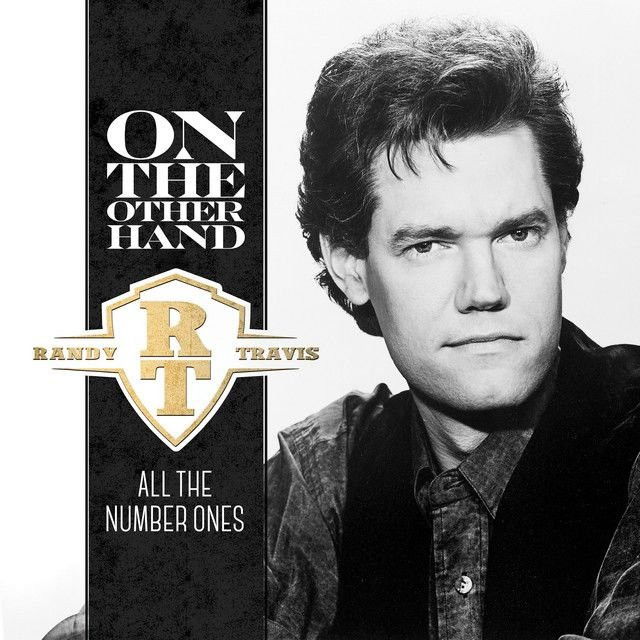
If I Didn't Have You by Randy Travis
A Love Song Built on Gratitude
The meaning of If I Didn't Have You Randy Travis centers on a simple but powerful idea: love did not just make life happier, it gave life direction. The singer looks back at the moment he fell in love and treats that relationship as the turning point that kept him from drifting.
"If I Didn't Have You" - Randy Travis
But I gained a lot and that I don't regret
Then I hung around 'til you said, "I do"
Loading lyrics...
Unable to load lyrics
We're unable to display the lyrics at this time. Please try again later.
This is why the song feels bigger than a standard country romance. It is not only about attraction or devotion. It is about rescue, steadiness, and thankfulness. The narrator believes his partner became the difference between a meaningful life and a lonely, aimless one.
Factually, the song was written by Skip Ewing and Max D. Barnes, two respected Nashville songwriters, and recorded by Randy Travis, one of the defining voices of modern neotraditional country. That context matters because Travis often sang with moral clarity and emotional plainness, which fits this song perfectly.

Watch the official If I Didn't Have You
music video
The Story the Lyrics Tell
At the start, the narrator says he lost his heart when they met, then stayed close until marriage. In plain terms, the lyric moves from first attraction to lifelong commitment. A short phrase like I lost my heart
sounds familiar, but here it leads into something deeper: he feels he gained far more than he gave up.
The next key turn comes with marriage. When he mentions the partner changing a name, the song marks a shared identity. This is not casual love. It is a portrait of two lives being joined, with both people changed by that promise.
Then the chorus imagines the other path. Without this person, he thinks he would have been lost, cold, and unstable. The song uses country-friendly images to make that feeling vivid: movement without purpose, weather without shelter, and travel without a home.
out in the cold
like a feather in the wind
Those lines sum up the fear behind the song. He is not just saying he would miss someone. He is saying he would lack grounding.
Why the Chorus Hits So Hard
The chorus works because it turns a love song into a statement of identity. Instead of saying, “I love you,” the singer says, in effect, “Without you, I would barely know who I am.” That raises the emotional stakes.
A phrase like ship at sea
pushes the same idea. The image suggests someone being moved by forces they cannot control. In this song, love becomes the opposite of chaos. It gives shape, safety, and a place to return to.
Interpretation: Some listeners may hear this as romantic exaggeration, the kind common in country ballads. But the song’s steady tone makes it sound less like drama and more like testimony. The narrator truly believes his partner saved him from a life of emotional wandering.
Light, Weather, and Faith
One of the strongest features in the song is its repeated imagery. Darkness, cold, rain, and a hurricane all represent confusion and hardship. Against that, the loved one appears as light and guidance. When he sees her light shining like a beacon
, the song presents love as something almost spiritual.
That spiritual feeling becomes direct in the verse about prayer. The narrator thanks the Lord each night and asks to keep this person one more day. That does two things at once:
- It frames the relationship as a blessing, not an accident.
- It shows humility, as if this love is something entrusted to him.
For Randy Travis, that blend of romance and faith is especially fitting. His catalog often joined everyday feeling with spiritual language, whether in secular love songs or gospel material. Readers can see that wider career context on the Britannica profile and in the song’s chart-era details at Wikipedia.
How Randy Travis’s Voice Carries the Meaning
Production matters here. The arrangement is classic country: clean rhythm, gentle tempo, warm steel and fiddle textures, and space for the vocal to lead. Nothing in the track fights the message. Instead, the music supports the lyric’s calm certainty.
Travis’s voice is a huge part of the meaning. He sings with gravity, but not with flash. That restraint makes lines about devotion sound believable. A more theatrical singer might make the song feel overblown. Travis makes it sound lived-in.
This is one reason the song connected so strongly with country audiences in the early 1990s. It matched the neotraditional style that valued clarity, melody, and emotional sincerity over pop gloss.
A Marriage Song, Not Just a Romance Song
A lot of love songs celebrate desire. This one celebrates dependability. The emotional center is not excitement but stability. The partner is the reason the narrator stayed true, built a life, and learned to count blessings.
That is why the title line lands with such force. When he says I wouldn't have nothing
, he is expressing total reliance. In everyday terms, that could sound unhealthy. But within the song, it reads more as absolute gratitude than weakness.
Interpretation: There are two useful ways to hear it:
- As a marriage vow in plain language.
- As a testimony that love can save a person from a scattered life.
Both readings fit the lyric, and both explain why the song feels warm rather than desperate.
Why the Song Still Resonates
The lasting appeal of the meaning of If I Didn't Have You Randy Travis comes from its simplicity. It says something many listeners want to believe: that the right person does more than share life with them; they help make that life whole.
The song never gets complicated, and that is part of its skill. Its images are easy to picture, its promises are direct, and its emotional logic is clear from the first verse to the last. Randy Travis and the songwriters trust plain words to carry deep feeling.
In the end, this is a country love song about being saved from drift by commitment, faith, and companionship. Interpretation disclaimer: This article offers a reading of the song based on its lyrics, performance, and context; individual listeners may hear its meaning differently.








