How R.E.M. Turned Doubt Into a Pop Anthem
The meaning of Man On The Moon R.E.M. starts with a simple question: why build a catchy rock song around Andy Kaufman, moon-landing belief, Elvis jokes, Bible figures, and board games? The answer is that R.E.M. turned all of those things into one idea: people live by stories, and they are never fully sure which stories are true.
"Man On The Moon" - R.E.M.
Andy Kaufman in the wrestling match, yeah, yeah, yeah, yeah
Monopoly, twenty-one, checkers, and chess, yeah, yeah, yeah, yeah
Loading lyrics...
Unable to load lyrics
We're unable to display the lyrics at this time. Please try again later.
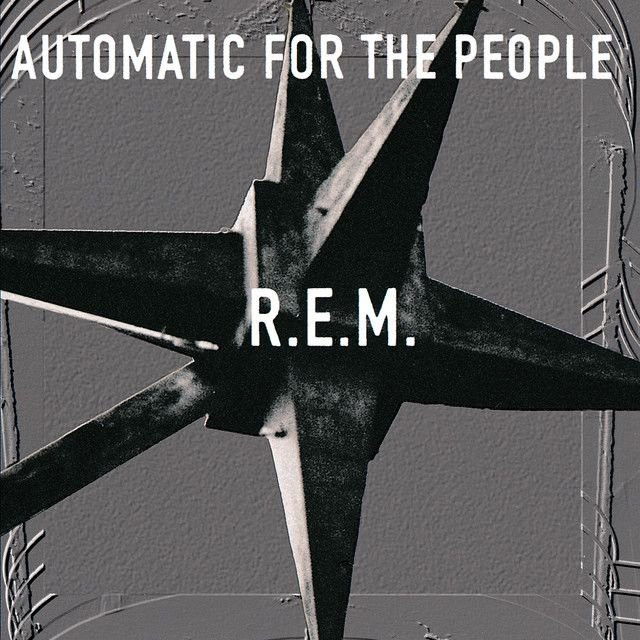
Released in 1992 as the second single from Automatic for the People, the song became one of the band’s signature tracks and later lent its title to the 1999 Andy Kaufman biopic. It was written by Bill Berry, Peter Buck, Mike Mills, and Michael Stipe, and produced by Scott Litt with R.E.M. itself. Those facts are widely documented in standard discographies and reference sources.^1
Andy Kaufman as the Song’s Trick Mirror
On the surface, the song is a tribute to comedian and performance artist Andy Kaufman. That part is factual. Stipe wrote the lyric around Kaufman late in the album sessions, and the band has spoken about him as the perfect figure for this song’s themes.^1
But the tribute is not simple or sentimental. Interpretation: R.E.M. treats Kaufman like a symbol of uncertainty. He was famous for making audiences unsure if they were watching comedy, conflict, or something in between. That makes him the ideal center for a song that keeps asking what people choose to believe.
When the lyric calls out Andy, did you hear about this one?
, it sounds playful, but it also sounds haunted. They are not just speaking to a dead celebrity. They are speaking to a cultural ghost who still makes people question reality.

Watch the official Man On The Moon
music video
The Chorus Turns Belief Into the Real Subject
The chorus gives the song its biggest clue. It uses man on the moon
as a phrase loaded with wonder, history, and conspiracy. In plain terms, the song says that belief itself is strange. If people can accept impossible-seeming events, or reject well-known facts, then truth is not always the point. Emotion, myth, and spectacle matter too.
That is why the line nothing is cool
lands with such force. Paraphrased, the song suggests that life would feel flat if everything were stripped of mystery. R.E.M. is not simply praising gullibility. Interpretation: they are saying that wonder, doubt, and performance make culture feel alive.
Why the Lyrics Jump From Moses to Monopoly
One of the smartest things in the song is its collage style. It jumps from sacred history to science to pop culture to childhood games. The lyric mentions Moses, Newton, Darwin, wrestling, Elvis, and games like Risk and Twister. That list may seem random at first, but it is carefully designed.
These references all belong to systems people use to explain life:
- religion
- science
- entertainment
- play
- fame and myth
By putting them side by side, R.E.M. flattens the difference between “serious” truth and popular fantasy. A board game, a Bible story, a scientific image, and a wrestling stunt all become part of the same human habit: making meaning.
Let's play Twister, let's play Risk
I'll see you in heaven
That brief passage is especially sharp. It mixes a childlike invitation with the idea of the afterlife. The effect is funny, but also unsettling. Interpretation: the song implies that even life’s biggest questions can feel like games people learn to play.
The Sound Makes Big Ideas Feel Friendly
Musically, “Man on the Moon” is easier to enter than its themes are. It moves with a relaxed, mid-tempo pulse and a bright, rootsy rock feel. Sources on the song’s development note that it began from a Bill Berry idea sometimes called C to D Slide
, with Peter Buck helping shape the larger arrangement.^1
That matters because the music keeps the song open and conversational. Buck’s guitar gives it lift, Mills helps anchor it melodically, and Stipe sings with a half-smile that never sounds preachy. The repeated yeah, yeah, yeah, yeah
works like a chant, making the song communal rather than private.
Instead of turning philosophy into homework, R.E.M. turns it into a singalong. That is a huge reason the song connected so widely, reaching the Billboard Hot 100 and remaining one of the band’s most enduring singles.^1
A Song About Hoaxes, or a Song About Hope?
There are two strong ways to read it.
Reading One: It Questions Public Credulity
In this version, the song is about how easily people accept myths, celebrity legends, and conspiracy thinking. Kaufman, Elvis, and the moon landing all become examples of a culture that loves confusion.
Reading Two: It Defends Mystery
In this reading, the song is gentler. It suggests that human beings need amazement, stories, and a little uncertainty. Not because facts do not matter, but because facts alone do not satisfy the imagination.
Both readings fit. That balance is what makes the meaning of Man On The Moon R.E.M. so lasting.
Why It Still Resonates
The song still feels current because modern life runs on the same tension it describes: truth versus spectacle, evidence versus performance, sincerity versus irony. Kaufman was ahead of that world, and R.E.M. recognized it.
They made a song that sounds warm and familiar while quietly asking whether anyone is ever fully sure what is real. That is why it works as a tribute, a cultural critique, and a pop anthem all at once.
Final Take Under the Stars
In the end, “Man on the Moon” is less about proving anything than about living with uncertainty. It honors Andy Kaufman while using him to explore belief, myth, and the strange pleasure of not knowing for sure.
That remains the best way to understand the song: it invites listeners to laugh, wonder, and question at the same time.
Disclaimer: This interpretation blends documented background with critical reading of the lyrics and sound. As with any song, meaning can vary from listener to listener.








