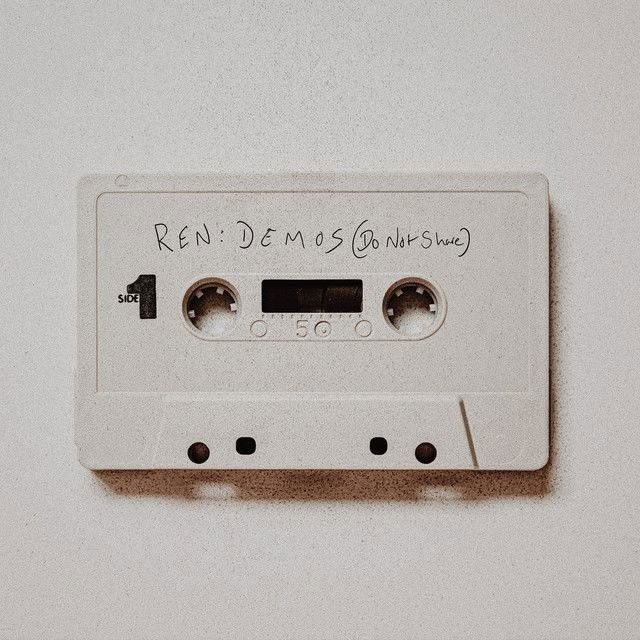
How Ren Turns Greed Into a Nursery Rhyme
The meaning of Money Game, Pt. 2 Ren comes into focus fast: this is a song about how greed becomes normal, then becomes power. Ren takes ideas that can feel abstract—capitalism, corruption, propaganda, branding—and explains them in a way that sounds almost playful at first. That contrast is the point. The song uses a childlike setup to show how adult systems teach people to sell, exploit, and win at any cost.
"Money Game, Pt. 2" - Ren
Poor man learn the rich man don't care for ya
Narcissist mindsets spread like malaria
Loading lyrics...
Unable to load lyrics
We're unable to display the lyrics at this time. Please try again later.
Written by Ren Gill, the track is part of the larger world of Ren’s socially sharp songwriting, where they often mix storytelling, performance, and critique. In this song, they build a lesson out of a cautionary tale.
The Core Idea Hiding in Plain Sight
At its heart, the song argues that money is not just currency. It is a game with rules, rewards, and moral damage. Early on, Ren frames the world as unstable and divided, then points to leaders who profit from confusion. Short lines like old money game
and poisoning the veins
suggest that the system is not new and not harmless.
The smartest twist is that the song does not stop at blaming politicians. It says the public is involved too. When the chorus turns toward the mirror, the message becomes broader: people may hate corruption, but they also reward it with attention, fear, and imitation.
Interpretation: This is why the track feels bigger than a protest song. It is also about complicity.
Watch the official Money Game, Pt. 2
music video
From Seashells to Empires
The song’s best-known device is the seashell story. Ren starts with a simple market image and then shows how manipulation grows in steps. First comes scarcity. Then desire. Then branding, scale, and political ambition. By the end, a harmless object has become a symbol of ruthless capitalism.
This structure matters because it makes the listener follow the logic instead of just hearing a rant. Phrases such as supply and demand
and expand, expand, expand
reduce huge systems into plain language. They show how value can be manufactured, not discovered.
The ten-step descent
The song roughly moves through this pattern:
- Create panic and division.
- Explain how markets can be manipulated.
- Turn products into identity symbols.
- Build monopoly and swallow ethics.
- Expand into land, resources, and war.
- Convert fame into political power.
- Use lies and controversy to stay visible.
By presenting it like a lesson, Ren makes the moral slide feel chillingly easy. The idea is not that evil arrives all at once. It grows through incentives.
Why the Chorus Hits So Hard
The chorus brings weather imagery into the song with rain, rain, rain
and a storm on the way. That image suggests a crisis larger than one leader or one scandal. The corruption in the verses is not isolated; it spreads through culture like a coming front.
Then the hook lands its hardest point: blaming others is easy. Looking inward is harder. That move changes the song from accusation to warning. It says people live inside systems they criticize, and often help sustain them.
But point the mirror at ourselves
We're all part of this old money game
That is the song’s emotional center. It is not asking for simple outrage. It is asking for uncomfortable honesty.
Politics, Satire, and Controlled Anger
The opening verse points at public life in Britain and beyond, with references to Parliament and Downing Street. It also widens the lens to America. Ren’s target is not one party. It is a culture where image, profit, and power override care.
Their joking aside about being a peaceful adolescent
works as satire. They flirt with outrage, then undercut it with humor. That keeps the song sharp without losing control. The performance sounds angry, but carefully shaped.
Interpretation: The humor is strategic. It shows how absurd the system looks once its logic is spoken out loud.
How the Sound Supports the Message
Production matters here because the song is built like a spoken lesson turned theatrical performance. The beat stays tight and uncluttered enough for every word to land. Ren’s delivery is rhythmic and precise, almost like a teacher, comedian, and protest singer at once.
There is also a useful contrast between the verses and chorus. The verses feel clipped and instructive, matching the step-by-step business logic. The chorus opens up more emotionally, which helps the moral weight come through. That shift gives the listener both information and warning.
The nursery-rhyme effect is especially important. Ren uses familiar cadence and repetition, then fills that form with dark content. The result is memorable because it sounds simple while saying something harsh.
A Bigger Reading of the Song
One reading is economic: the track explains how markets create artificial value, reward monopoly, and push endless growth. Another reading is cultural: it shows how audiences, consumers, and voters are trained to desire what harms them.
Both readings fit because the song links products, politics, media, and identity into one chain. The same tactics sell shells, oil, fame, and candidates. That is what makes the meaning of Money Game, Pt. 2 Ren feel so lasting. It is not just about greed. It is about how greed teaches people what to admire.
Final Take on Ren’s Warning
Ren turns economics into a fable and satire into a mirror. The song argues that corruption thrives not only through powerful people, but through systems ordinary people keep feeding.
That is why the track lingers. It is catchy, clever, and unsettling at the same time.
Disclaimer: This article offers informed interpretation based on the lyrics and performance. Song meaning can remain open to different listener readings.








