Why 'Take It on the Run' Still Cuts Deep
The meaning of Take It On the Run REO Speedwagon comes down to one painful question: what happens when rumors enter a relationship before proof does? REO Speedwagon turn that tension into a radio-ready rock song that sounds confident on the surface but uneasy underneath.
"Take It On the Run" - REO Speedwagon
Heard it from a friend who
Heard it from another, you been messin' around
Loading lyrics...
Unable to load lyrics
We're unable to display the lyrics at this time. Please try again later.
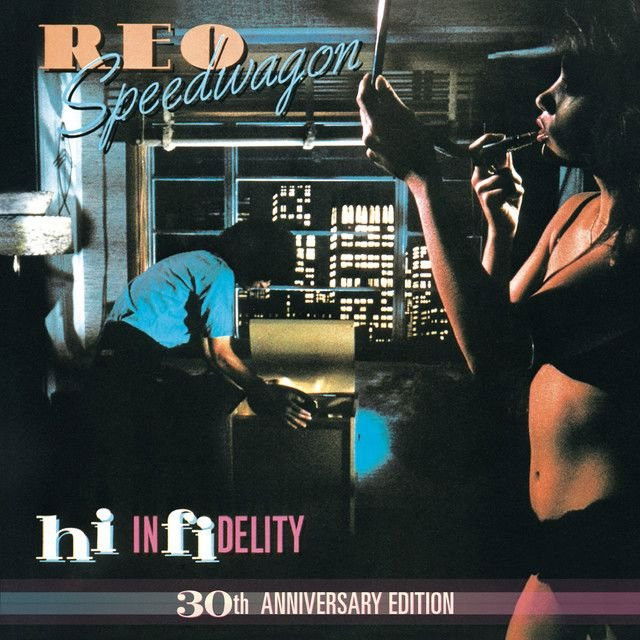
Released as a single in 1981 from Hi Infidelity, the song was written by Gary Richrath and became one of the band's biggest hits, reaching No. 5 on the Billboard Hot 100. It followed the massive success of Keep On Loving You
and helped define the album's emotional world: love, doubt, and damage control. According to Songfacts, Richrath said the song grew out of late-night channel surfing, soap-opera drama, and his own relationship strain.
A Breakup Song About Rumors First, Facts Second
At its core, the song is not simply about cheating. It is about hearing stories from other people and trying to decide whether to trust the partner, the crowd, or personal instinct.
The opening chain of hearsay, summed up in Heard it from a friend
, matters because it shows how weak the evidence is. Nobody comes forward directly. The story reaches the narrator through layers of gossip, which makes the accusation feel both powerful and unstable.
That is why the verses hold two ideas at once. On one hand, the narrator says the neighborhood talks and that a good story tends to grow. On the other, they clearly fear the rumors may be true. The emotional conflict is the whole song.

Watch the official Take It On the Run
music video
The Speaker's Position: Hurt, Defensive, Still Listening
The narrator is not calm. They are trying to sound firm while also trying not to fall apart. That mix is clearest when they insist, I don't believe it
, then immediately imagine what happens if the cheating is real.
Interpretation: This is less a statement of trust than a statement of self-protection. They want to believe the partner, but they are already rehearsing the breakup speech.
That is what gives the chorus its edge. The title phrase take it on the run
does not sound romantic. It sounds like an ultimatum. If the partner wants out, they can leave fast and keep going.
If that's the way you want it, baby
Then I don't want you around
Those lines are brief, but they reveal the real wound: the narrator would rather act tough than stay in a relationship poisoned by doubt.
What the Chorus Really Means
The chorus works because it says two different things at once. Literally, it means the partner can go if the rumors are true. Emotionally, it means the narrator feels cornered and is trying to regain control.
The line under the gun
is especially important. In plain language, it suggests pressure. The partner may feel accused, watched, or caught. To take it on the run
then implies escape instead of honesty.
This reading fits the strongest common interpretation of the song: if the partner runs rather than answers, that reaction may confirm the suspicion. The song never gives a courtroom verdict. It gives a human one.
How the Story Moves in Three Sharp Beats
The song's narrative is simple but effective:
- Rumors arrive through friends and local talk.
- The narrator doubts the gossip but cannot ignore it.
- The narrator draws a line: tell the truth or leave.
That structure is one reason the song feels so immediate. It does not wander into backstory. It stays in the hot moment where suspicion becomes a choice.
Why the Music Makes the Doubt Feel Bigger
Musically, the track blends hard rock and pop rock in a way that mirrors its emotional split. Wikipedia lists the song as part of REO Speedwagon's Hi Infidelity era lineup, with Kevin Cronin on lead vocal and acoustic guitar, Gary Richrath on electric guitar, plus bass, synths, and steady drums.
The arrangement matters. The acoustic strum keeps the verses moving like conversation, while the electric guitars push the chorus into confrontation. Cronin's vocal does not sound detached; it sounds sharpened by frustration. The melody is catchy, but the tension never fully relaxes.
That balance helped make the song widely accessible. It has the hook of a pop hit but the bite of a rock argument. Record World even called it a blockbuster, and the single's chart run backed that up.
Context Inside REO Speedwagon's Big Moment
The song also gains meaning from where it sits in the band's career. Hi Infidelity was REO Speedwagon's breakthrough blockbuster, and this track arrived right after Keep On Loving You
. Songfacts notes that Richrath wrote it partly as a response to the emotional world opened by that earlier hit.
So while one single pleads for love to survive, this one sounds far less secure. Together, they show two sides of the same adult relationship story: devotion and distrust.
The song also has pop-culture staying power. Its video was famously the ninth clip aired on MTV's launch day, according to Wikipedia and Songfacts, which helped tie the song to the early-MTV rise of mainstream rock.
A Final Reading of the Meaning
The meaning of Take It On the Run REO Speedwagon is not just that someone may be cheating. It is that rumors alone can change a relationship, forcing people into denial, defense, and ultimatums before the truth is fully known.
Interpretation: The song's real subject may be the collapse of trust itself. Once a partner starts weighing gossip against love, the relationship is already in danger.
That is why the song still lands. It captures a common fear in plain words, sharp hooks, and music that feels both wounded and strong.
Disclaimer: This interpretation separates documented facts about the song's release and authorship from critical reading of its lyrics and emotional meaning. Songs can support more than one valid interpretation.







