Why “Angelia” Still Hurts So Much
The meaning of Angelia Richard Marx comes down to one core feeling: being left behind without a clear reason. It is a breakup ballad, but not a calm one. Instead, it lives in the restless space between memory, hope, and hurt.
"Angelia" - Richard Marx
Tumble inside my head
The way that we used to be
Loading lyrics...
Unable to load lyrics
We're unable to display the lyrics at this time. Please try again later.
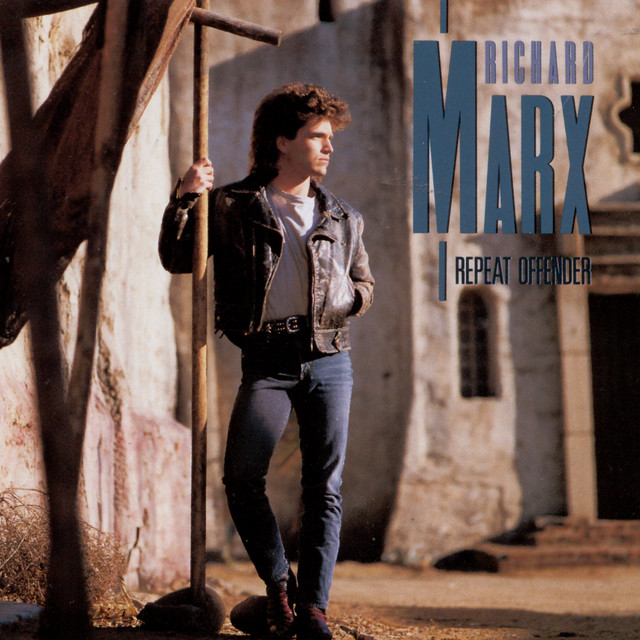
Released as the fourth single from Repeat Offender in 1989, the song became one of Richard Marx’s biggest hits, reaching No. 4 on the Billboard Hot 100 and No. 2 on Adult Contemporary, while also hitting No. 1 in Canada. It was written by Marx and produced by Marx with David Cole. Research sources also note that Marx later said this was his favorite production on the album.
The Heart of the Song Is Unanswered Loss
At the center of the song is a narrator who cannot move on. They are not only missing someone; they are trapped by the lack of closure. The opening image of memories of you and me
sets that up right away. The relationship is over, but the past keeps replaying in their mind.
That matters because the song is not about a mutual breakup. It describes a sudden emotional break that left one person still trying to understand it. When the narrator says the lover left them to wonder how love went wrong, the focus shifts from sadness to confusion.
Interpretation: This is why the song still connects with listeners. Many breakup songs are about anger or acceptance. “Angelia” sits in the middle, where someone is still asking questions that may never be answered.

Watch the official Angelia
music video
The Chorus Turns Pain Into Pursuit
The chorus is simple, but that simplicity gives it force. When Marx repeats Where you running to now
and asks Angelia to turn around
, the song becomes a plea.
This is more than romantic begging. It suggests the narrator sees Angelia as emotionally avoidant, someone fleeing the relationship instead of facing it. The repeated call of her name gives the song a dramatic, almost cinematic quality.
Angelia
Where you running to now
Won’t you please turn around
Those lines do not add new plot details, but they deepen the emotional reality. The singer is stuck in the same moment, still reaching for someone already gone.
Verse by Verse, the Story Gets More Personal
The verses build a clear timeline of emotional collapse:
- The narrator relives intimacy and happier times.
- They realize the breakup came with little warning.
- They admit the pain is becoming unbearable.
- They are left with only proof that the relationship once existed.
One of the song’s most effective details is the contrast between physical closeness and present absence. The narrator still feels the other person beside them at night, which shows how fresh the breakup is.
Later, the song gets even sharper with the image of nothing but a photograph
. That object matters because it reduces a real relationship to a keepsake. The life they shared is gone; only an image remains.
What the Song Suggests About Angelia
The lyrics never fully explain why Angelia leaves. That gap is part of the design. She apologizes, but she never gives a reason. Because of that, listeners are pushed to read between the lines.
Interpretation: One possible reading is that Angelia is afraid of commitment or emotional honesty. Another is that the narrator never really knew what was happening beneath the surface. The line about trying to be what she wanted hints that they may have been reshaping themselves to keep the relationship alive.
That makes the song more than a simple tale of betrayal. It also becomes a story about imbalance. One person gave everything; the other pulled away.
Richard Marx’s Context Helps Explain the Emotion
The title sounds personal, but Marx has explained that the name itself came from a flight attendant’s name tag. He needed a four-syllable female name to complete the melody and thought “Angelia” fit perfectly. He also said the song’s emotions came from a composite of women from his past, not just one real-life Angelia.
That background is useful because it shows the song is emotionally true without being strictly autobiographical. The name gave the song shape, but the heartbreak came from a broader memory of what Marx once called “young, unrequited love.”
The Production Makes the Heartbreak Feel Huge
One reason “Angelia” stands out from many adult contemporary ballads is its scale. Though often grouped with soft rock, its sound reaches for something bigger. Research on the song notes that Marx and David Cole intentionally tried to capture the guitar and drum feel of Def Leppard’s Pyromania and Hysteria era.
That choice changes the meaning. The lyrics are intimate, but the production is glossy and wide, which turns private grief into public drama. The drums push the song forward, the keyboards soften the edges, and the guitar solo by Michael Landau gives the emotion a lift that words alone cannot provide.
Instead of sounding fragile, the heartbreak sounds heroic. That is a big part of why the song worked so well on late-1980s radio.
Why the Song Endures
The meaning of Angelia Richard Marx lasts because it captures a very specific pain: loving someone who is already halfway gone. It is about insomnia, replayed memories, and the need for an explanation that never comes.
Its emotional language is direct, but not shallow. Its production is polished, but not cold. Together, those elements make “Angelia” feel both personal and larger than life.
In the end, the song does not solve the breakup. It simply stays inside the question.
Disclaimer: This interpretation is based on the lyrics, documented artist comments, and the song’s production context. As with any song, listeners may hear different meanings in it.







