
Jet Plane in a Rocking Chair by Richard Thompson
They’ve probably heard this brisk folk-rock gem and wondered: what’s with the jet plane, the dancing bear, and all that talk about changing? If you’re searching for the meaning of Jet Plane in a Rocking Chair Richard Thompson, it’s a love song that turns chaos into clarity. The song looks back at a messy, dizzy life and then points to a partner who finally makes everything feel real.
"Jet Plane in a Rocking Chair" - Richard Thompson
Roller coaster roll nowhere
Deaf and dumb old dancing bear
Loading lyrics...
Unable to load lyrics
We're unable to display the lyrics at this time. Please try again later.
A Love Song That Won’t Sit Still
At its core, the track is a pledge. The narrator says he’ll stop the nonsense and step up. Lines like I’ll change this heart of mine
frame each verse as a promise, while odd images highlight how unstable things used to be. The speed-versus-stillness gag in jet plane in a rocking chair
sets the tone: fast motion, no progress.
Interpretation: The surreal images are not random. They compress years of mistakes into quick snapshots so the chorus can hit like a revelation—he’s ready to grow because the right person has arrived.
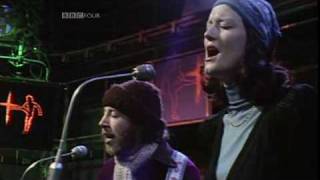
Watch the official Jet Plane in a Rocking Chair
music video
The Voice Behind the Vow
The song is written by Richard John Thompson and recorded by Richard and Linda Thompson in 1975 on Pour Down Like Silver. He sings in first person to a new love, admitting past foolishness—he even jokes, I’m a fool with a size one head
. That self-mockery makes the promise feel human rather than preachy.
Context matters. Around this album, the Thompsons embraced Sufi practice and a pared-back lifestyle. Critics have called Pour Down Like Silver a career zenith and praised “Jet Plane in a Rocking Chair” as a bright highlight of that set. The spiritual turn helps explain the song’s cleaner lines and no-frills drive—less spectacle, more truth.
What the Chorus Proves
After the tumble of verse images, the chorus steps in like evidence that love has finally arrived:
Here comes the real thing
I’ve been waiting, for so long
For so long
I’ve been looking for a love like you.
Interpretation: He isn’t just hoping; he’s convinced. The repeated “so long” stretches time, turning ordinary longing into a life-defining search now resolved.
Images That Do the Heavy Lifting
The verse images sketch a map of emotional dead ends:
roller coaster roll nowhere
: thrills that don’t change anything.deaf and dumb old dancing bear
: going through motions for show, not growth.crossed-line on the telephone
: mixed messages and missed connections.
Each is followed by that same vow—I’ll change this heart of mine
—as if he’s rewriting his story in real time. Even “cross fingers and head for home” suggests luck has been running the show; now commitment will.
How the Sound Carries the Story
Musically, the track is a burst of forward motion: spry electric guitar leads, crisp strumming, and a tight rhythm section. Richard Thompson’s guitar is lyrical but lean, keeping momentum without grandstanding. Linda Thompson’s harmony lifts the chorus and adds a steady, humane glow to his confession.
Interpretation: The brisk tempo and economical arrangement feel like a reset button—no clutter, no indulgence. That restraint mirrors the narrator’s promise to quit the circus and be present.
A Quick Narrative Timeline
- Verse 1: He paints life as busy but stuck (
jet plane in a rocking chair
), then promises change. - Verse 2: More nonsense life-hacks that fail (a “sea cruise” in a “diving bell”), again followed by resolve.
- Chorus: He declares he’s found “the real thing.”
- Later verses: He admits to posturing and foolishness (
I’m a fool with a size one head
), then recommits.
By the end, the repetition of “this time” doubles as a mantra. He’s training himself to mean it.
Alternate Lenses That Add Depth
- Interpretation: A satire of self-help culture. The goofy images mock quick fixes—soft soap, crossed fingers—before the chorus delivers the only fix that matters: real love and real work.
- Interpretation: An anxiety portrait. The sped-up carnival of bears, phones, and roller coasters captures a nervous system on overload. The chorus is a breath that calms it.
Both readings fit because the song balances humor and sincerity—wry verses, open-hearted hook.
Why It Resonates Now
Even today, the promise to trade clever tricks for honest commitment lands. The sound is timeless folk-rock, and the message is simple: stop spinning, start showing up. When they sing about a crossed-line on the telephone
, it might as well be a glitchy text thread—new tech, same misfires. The chorus still feels like stepping into daylight.
Final note on context: Pour Down Like Silver arrived in 1975, a period many critics view as a high watermark for the duo’s writing and musicianship. This track’s mix of speed, smarts, and tenderness shows why.
Takeaway
They use comic images to admit past chaos, then a clean, driving arrangement to show resolve. The heart of the song is a promise kept in motion—the sound of change actually starting.
Disclaimer: Song meanings are subjective; this reading blends lyrical analysis with historical context and should be taken as interpretation, not definitive fact.