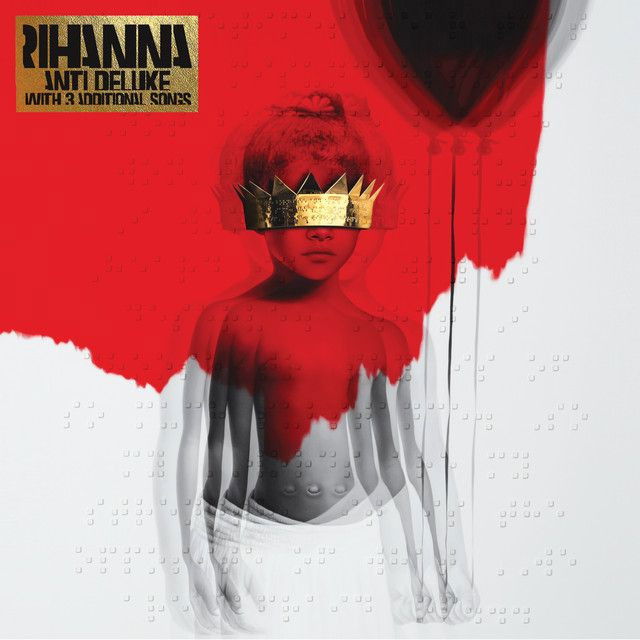
Why Rihanna's 'Love on the Brain' Hurts So Much
Rihanna’s “Love on the Brain” sounds classic on first listen, but its emotions are anything but tidy. For many listeners searching for the meaning of Love On The Brain Rihanna, the song lands as a portrait of desire that feels thrilling, painful, and hard to quit.
"Love On The Brain" - Rihanna
What you want from me? (What you want from me?)
And I tried to buy your pretty heart, but the price too high
Loading lyrics...
Unable to load lyrics
We're unable to display the lyrics at this time. Please try again later.
Released on Rihanna’s 2016 album Anti, the track stands out because it swaps sleek pop detachment for raw vulnerability. Instead of sounding cool and in control, they present a narrator who knows a relationship is hurting them and still keeps reaching for it.
The Heart of the Song Is Craving, Not Stability
At its core, “Love on the Brain” is about emotional addiction. The singer is not describing calm, healthy love. They are describing a bond that keeps swinging between affection and damage, which is why the title feels so important. Love is not shown as a steady feeling in the heart; it is shown as something that has taken over the mind.
Early in the song, the narrator sounds confused and cornered, asking what the other person really wants. They even suggest that love has become a transaction, with affection feeling too expensive to earn. That idea makes the relationship feel unequal from the start.
When Rihanna sings about the other person loving it when they fall apart
, the song hints at manipulation. The partner seems to enjoy having power: breaking the narrator down, then briefly rebuilding them. That cycle of damage and repair is one of the song’s clearest themes.

Watch the official Love On The Brain
music video
A Push-Pull Romance in Plain View
One reason the song feels so sharp is that it never hides the contradiction. The narrator begs for love while also admitting they are being mistreated. They do not pretend the situation is healthy.
The clearest example comes in the chorus, where desire sounds almost self-destructive. The singer says they are fist fighting with fire
just to get close. That image matters because fire cannot be safely grabbed; the act is reckless by nature. In simple terms, they know this pursuit will burn.
It beats me black and bluebut it fucks me so good
Those lines are the song’s emotional center. They do not celebrate harm so much as expose how pleasure and pain have become tangled together. The narrator is confessing a trapped state of mind: they can name the damage, but naming it does not free them.
Who Is Speaking, and Why They Sound So Desperate
The song uses a first-person voice, which makes everything feel immediate and unfiltered. This is not a distant reflection after the fact. It feels like someone speaking from inside the cycle while it is still happening.
That is why lines about running for miles or trying to get into the other person’s heart hit so hard. The narrator is always chasing, always proving, always trying to secure love that never fully arrives. Even the repeated plea to stop loving me
is not really a rejection. It is a desperate request for consistency and reassurance.
Interpretation: The song may be less about one specific argument and more about a pattern of emotional imbalance. The speaker wants love, but they may also be drawn to intensity itself, mistaking drama for devotion.
How the Sound Deepens the Meaning
Part of the meaning of Love On The Brain Rihanna comes from its sound as much as its words. The track was written by Rihanna, Fred Ball, and Joseph Angel, and produced by Fred Ball. According to the song’s Wikipedia entry, it draws from soul and doo-wop traditions, which helps explain why it feels older than its release date.
That retro style matters. The warm guitars, slow tempo, and swaying rhythm make the song sound romantic at first. Then Rihanna’s vocal performance adds the real tension. They push into raspy high notes, cracked edges, and sudden bursts that make the emotion feel unstable.
Instead of delivering the song in a smooth, polished way, they sound like someone trying to hold themselves together. That contrast between elegant production and bruised singing mirrors the song’s story: beautiful surface, painful core.
Why the Vocal Performance Is So Important
Rihanna’s voice is the reason the song never feels like a simple throwback. They bend notes, strain on purpose, and let certain words sound almost torn open. That approach gives the song urgency.
A cleaner performance might have made the relationship sound glamorous. This one makes it sound costly.
The Song’s Biggest Themes
Several ideas repeat throughout the track:
- Toxic attachment: love feels impossible to leave
- Power imbalance: one person withholds, the other chases
- Emotional dependency: the narrator feels incomplete alone
- Pleasure mixed with pain: desire overrides self-protection
The line no good without you
is especially revealing. It shows that the conflict is not only with the partner. It is also inside the narrator, who has tied their identity to someone else’s attention.
Why “Love on the Brain” Still Connects
Many breakup songs are about anger or closure. This one is harder to resolve. It captures the stage where a person still wants what hurts them. That honesty is a big reason the song endures.
For listeners, the meaning of Love On The Brain Rihanna is not just about toxic romance. It is about the embarrassing, intense truth that people do not always want what is good for them. Sometimes they want what feels overwhelming, immediate, and impossible to quit.
In that sense, the song is both a confession and a warning. It makes obsession sound seductive, but it also shows the cost in plain language.
Final Take
“Love on the Brain” is about being trapped between need and self-preservation. Rihanna turns that conflict into a soulful, dramatic performance that feels timeless because the emotion is so recognizable.
Interpretation disclaimer: Song meaning is never fully fixed, and listeners may hear this track as toxic love, emotional dependency, or a broader portrait of desire overwhelming judgment.