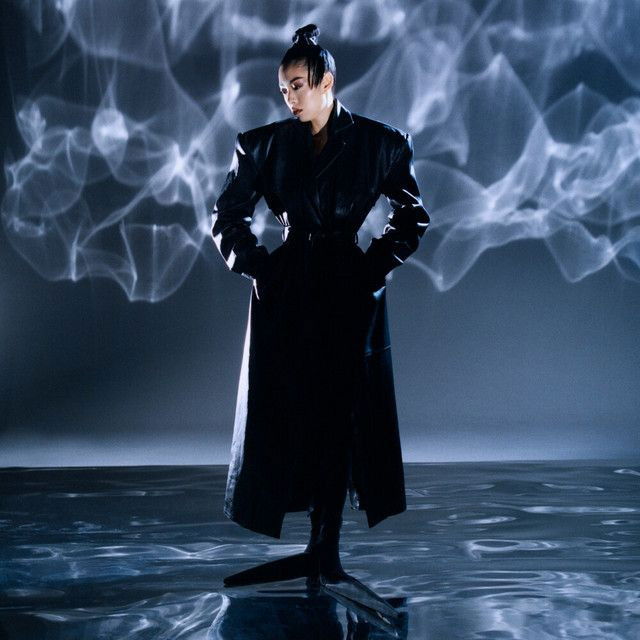
Phantom by Rina Sawayama
What is the meaning of Phantom Rina Sawayama? At heart, it’s a letter to a younger self, written from the edge of burnout. The song asks: Who were you before the world’s approval became the goal? It pairs a tender, fairy‑tale opening with a stadium‑ready chorus to chart the painful work of reclaiming identity.
"Phantom" - Rina Sawayama
There was a girl, pleasing the world
Dying to be liked, looking for love
Loading lyrics...
Unable to load lyrics
We're unable to display the lyrics at this time. Please try again later.
A fairy tale that turns into a mirror
The first verse kicks off like a storybook with Once upon a time
, then flips into confession: years spent pleasing the world
. That shift sets the stakes—this isn’t nostalgia; it’s triage.
In press around the release, Sawayama explained she realized she’d been pleasing others and was grieving her “real self.” That frame matches the verse, which inventories childhood objects and pressures. The toys and gel pens feel small, but they carry a big idea: the trade‑offs that start in school can echo into adulthood.

Watch the official Phantom
music video
Who the phantom really is
The song’s “you” isn’t an ex; it’s the part of the narrator that knows their worth. Lines like You’re good enough
and Inner child, come back to me
make the addressee plain. They speak as if to a person sitting across the room, but the conversation is internal.
Interpretation: The “phantom” is the authentic self that went quiet to survive. It “haunts” because it never left—it was only ignored. That’s why the language blends comfort and apology; they’re trying to rebuild trust with themselves.
The turning points, in order
- Early innocence is sketched, then eroded by the need to be liked.
- Identity gets fragmented—note the drive to
Claiming back the pieces
later on. - The present is haunted by absence, a
ghost in the night
that won’t speak. - The bridge is the breakthrough: a direct appeal to the inner child and a clear apology.
- The final choruses push from longing to action—reunion as a choice, not just a wish.
The chorus as a plea for reunion
Before and after every verse, the hook begs for wholeness:
I don't want to do this without you I don't want to do this if you're just a ghost in the night
Interpretation: The “this” is life and work. Success without the grounded self is empty. The chorus recognizes that external wins can’t fill an internal “void,” only integrity can.
Images that carry the weight
- Ghost/phantom: Not a horror trope but a metaphor for dissociation—being present but not embodied.
- Windowsill: A simple domestic perch where the past self might still wait. It suggests the reunion is close, not mythical.
- Stickers, gel pens, possessions: Childhood signals that curdle into a checklist life. They hint at how consumer milestones can replace inner milestones.
- Pieces and the “void”: Two sides of the same coin—fragmentation and emptiness. The solution is integration, not substitution.
These images are concrete and friendly, which keeps the topic (healing) accessible rather than clinical.
How the sound makes the story land
Phantom begins with intimate, breathy vocals over clean guitar, soaked in reverb to feel spacious and solitary. Drums and bass enter in waves, growing each chorus; backing vocals stack like memories returning. The mix opens wide on the hook, turning a private apology into a room‑filling appeal.
Guitar swells and string‑like pads underline the ache, while the final chorus hits with power‑ballad lift—cymbal crashes, higher harmonies—suggesting the narrator is no longer whispering to their past self but embracing them. The arrangement mirrors the arc from doubt to resolve.
Other ways to hear it
- Interpretation: A breakup song. The “phantom” could be a partner the singer can’t move past. The language of haunting and “void” supports this, though the inner‑child bridge tilts the scale back to self‑address.
- Interpretation: An artist’s identity under industry pressure. The push to perform and please can scatter a person’s center. The recovery is the refusal to abandon what “makes you you.”
Both reads coexist because the lyrics keep the “you” open enough to hold more than one truth.
The takeaway, plain and simple
Phantom is about calling your younger self back from the margins and promising to do better by them. That’s why the most powerful lines are the simplest pleas and reassurances. The song turns self‑help into pop catharsis, reminding listeners that reunion with the “real you” is possible—and urgent.
Disclaimer: Song interpretations are subjective. This analysis reflects one informed reading aligned with publicly shared artist context and the track’s musical cues.








