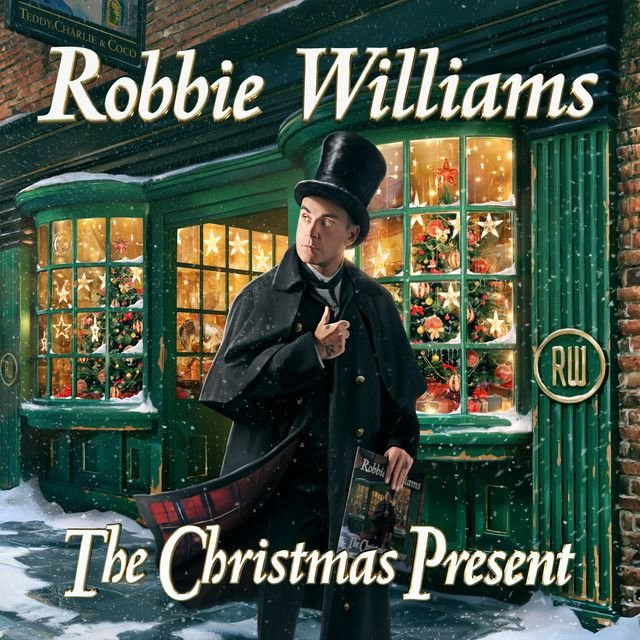
One Last Christmas by Robbie Williams
A holiday song with a wound at its center
The meaning of One Last Christmas Robbie Williams comes down to one painful idea: a parent who failed their child is asking for one final chance to be let back in. Instead of using Christmas as a cozy backdrop, the song turns the holiday into a moment of reckoning.
"One Last Christmas" - Robbie Williams
As I walk up to your door
And I realize this face of mine's been ravaged for the longest time
Loading lyrics...
Unable to load lyrics
We're unable to display the lyrics at this time. Please try again later.
That makes it stand out. Robbie Williams' The Christmas Present was released on November 22, 2019, as his first studio album since 2016, and it mixed playful holiday songs with more personal material. According to the album's documented credits, "One Last Christmas" was written by Robbie Williams, Flynn Francis, and Konrad Olsen, and produced by Guy Chambers and Williams.
Watch the official One Last Christmas
music video
Who they are in the song's story
The narrator is easy to identify. They arrive at a door in winter and reveal they are the listener's father. From there, the song becomes a direct apology from an absent parent to a child who has every reason not to forgive them.
A few short phrases carry that setup. The opening image snow crunches underfoot
places the scene in a cold, quiet space. Then the line about your daddy
removes any mystery and makes the song intensely personal.
This matters because the speaker does not defend themselves. They admit they caused damage, stayed away too long, and know they may not even be recognized anymore. The song's emotional power comes from that lack of excuse-making.
The real conflict is not the door
On the surface, the drama is simple: will the child open the door? But the deeper conflict is whether trust can survive years of hurt.
The lyric about not deserving mercy makes that plain. The speaker says, in effect, that if the roles were reversed, they would shut them out too. That honesty gives the song weight. It is not a sentimental Christmas reunion where one apology fixes everything.
A brief timeline of the song
The story unfolds in a clear sequence:
- They walk up to the house in winter.
- They admit time and guilt have changed them.
- They ask for one more holiday together.
- They confess they abandoned the family.
- They accept that forgiveness may never come.
That sequence keeps the song grounded. Even when the chorus swells emotionally, the details stay human and specific.
What the chorus really means
The chorus centers on the plea one last Christmas
. In plain language, they are not asking for a full reset of the relationship. They are asking for one final opportunity to show love before it is too late.
That phrase gives the song its tension. "Last" suggests urgency, age, regret, or even mortality. Interpretation: the narrator may feel they have run out of chances, not just because of one mistake, but because of a long pattern of absence.
The other key phrase is Sadness is a friend of mine
. That line suggests guilt has become familiar. They are not new to pain. They have lived with it long enough that misery feels like company.
Just give me one last Christmas
I'll make it up to you
Those two lines capture the whole emotional argument: a desperate request paired with a promise that may be sincere, but may also be too late.
Family failure, stripped of holiday sparkle
The song's hardest moment is the confession that the speaker left the mother to act as both parents. That detail moves the song beyond general regret and into concrete family damage.
In other words, this is not just about missing a holiday. It is about abandoning responsibility. The line about having let you down
many times reinforces that this child has heard disappointment before.
Interpretation: because the speaker admits repeated failure, the song may be less about expecting forgiveness than about finally speaking the truth out loud. The Christmas setting makes that truth feel even sharper, since the season often brings families back together while also exposing everything broken inside them.
How the sound likely carries the meaning
While there is limited track-by-track production commentary available, the song's official credits place Guy Chambers and Robbie Williams behind the production, a pairing known for strong melodic drama and polished pop arrangements. On The Christmas Present, Williams balanced classic seasonal sounds with original songs, and this track fits the album's more intimate side.
A song like this works best when the arrangement supports the confession rather than overwhelms it. Listeners can reasonably hear the emotional design as cinematic but restrained: winter imagery, a pleading chorus, and a vocal delivery that needs to sound worn down rather than triumphant.
That approach also matches the album's wider context. Williams said in a BBC Radio 2 Q&A that his wife Ayda helped change how he felt about Christmas, turning it into something more special in his life. That makes it notable that "One Last Christmas" uses the season not just for cheer, but for repair, family memory, and emotional truth.
Why it fits Robbie Williams so well
Williams has long been good at mixing showmanship with vulnerability. This song leans hard into the second side. It is dramatic, but its drama comes from shame, not swagger.
That balance also helps explain why the song lands. The Christmas Present included comic tracks, duets, and upbeat originals, but "One Last Christmas" shows the album could also use the holiday format to tell a bruised, adult story about regret.
The lasting meaning of the song
The meaning of One Last Christmas Robbie Williams is that Christmas can represent more than joy. Here, it becomes a last window for accountability, reunion, and maybe grace.
The song does not promise a happy ending. It only offers a wounded person standing in the cold, asking to be heard. That is why it feels sadder and more mature than many modern Christmas songs.
Disclaimer: This article mixes factual credits and release context with interpretation of the lyrics. Without a direct artist statement about the song's exact intent, some meaning remains open to listeners.








