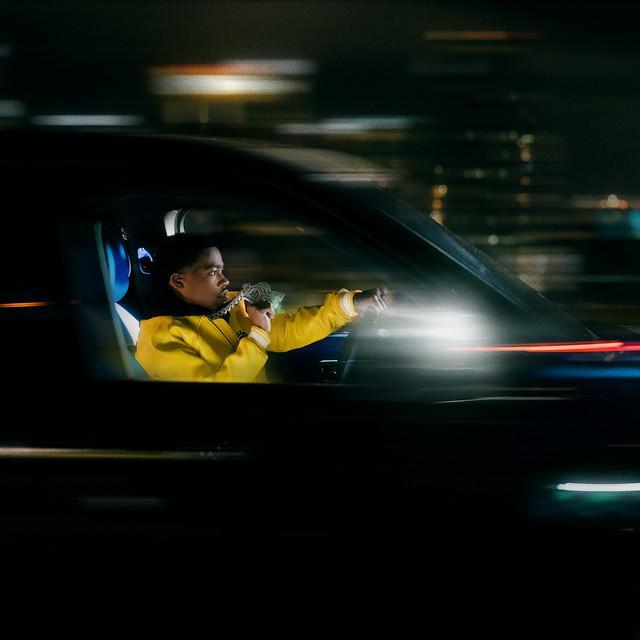
Why “Paid My Dues” Hits Like a Victory Lap
The meaning of paid my dues Roddy Ricch, Takeoff starts with a simple idea: success feels best when it is framed as earned, not gifted. Across the song, they present wealth, women, cars, and status as proof that they survived pressure and came out on top.
"paid my dues" - Roddy Ricch ft. Takeoff
I done ran up a check, lookin' like a nigga doin' fitness
Late night, back of the club, searchin' and fishin'
Loading lyrics...
Unable to load lyrics
We're unable to display the lyrics at this time. Please try again later.
On the surface, this is a luxury rap record. But under that shine, it is also about credibility. They are not only showing what they have. They are arguing that they deserve it.
According to the provided credits, the song was written by Kirsnick Khari Ball, Matthew Samuels, Rodrick Moore Jr., and Scotty L. Coleman. That matters because the track sounds built around two star personas: Roddy Ricch’s slick melody-heavy cool and Takeoff’s steady, detail-first flexing.
The Real Message Beneath the Flex
At its core, the song says that public success is the visible reward for private work, risk, and discipline. The hook centers that claim with paid my dues
, a phrase that turns bragging into a statement of legitimacy.
They repeat the idea of staying solid, telling the truth, and not backing down. In plain terms, they are saying their reputation matters as much as their money. The cash is important, but the real point is that they believe they earned their rank.
Interpretation: This is why the chorus lands harder than the verses alone. A long list of luxury details could sound shallow by itself. But the repeated claim that they have already done the hard part gives the song a backbone.
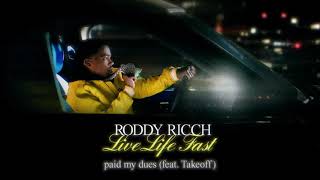
Watch the official paid my dues
music video
Money as Proof, Not Just Pleasure
A key part of the track is how often money is treated like evidence. Early on, they mention calling an accountant and then joke about a check so big it looks like doin' fitness
. The image is funny, but it also tells listeners that their wealth has reached a level that needs management.
Later, the song piles on watches, clothes, Fashion Week, and a full driveway. These are not random flexes. They work like exhibits in a case they are building: they made it, and everyone can see it.
Why the Details Matter
The song is strongest when it gets specific. Instead of speaking in vague terms about being rich, they point to designer settings, color-coded jewelry, and cars in the garage. That sharp detail gives the record texture and helps the boasts feel lived-in.
Interpretation: In rap, specificity often equals authenticity. By naming exact scenes and objects, they make success sound routine, not imaginary.
Pressure Never Fully Leaves the Room
Even while the song celebrates success, it does not sound fully relaxed. There are flashes of caution and danger, especially when they suggest it is not safe and tell others to play it cool
. That warning changes the mood.
The track also references the climate around weapons and street tension. Rather than reading like a full story song, these moments act like reminders: money did not erase risk. It may even attract more attention.
This tension is important to the meaning of paid my dues Roddy Ricch, Takeoff. They are not painting fame as peace. They are presenting it as a stage where confidence, paranoia, and pride can exist at the same time.
The Chorus Turns Bragging Into a Thesis
The chorus is where the song becomes more than a collection of flexes. They stress loyalty with If I said I fuck with you
, then pair it with the claim that they will not run or stay silent.
I ain't never gon' run
I tell the truth
You know I done paid my dues
That short sequence acts like the song’s mission statement. It ties toughness, honesty, and earned status together. In other words, they want listeners to hear the money as the result of character, not luck.
Roddy Ricch and Takeoff Bring Different Energy
One reason the record works is the contrast between the two artists. Roddy Ricch often sounds elastic and stylish, gliding between melody and rap. Takeoff, known from Migos, usually brings a more grounded precision, stacking images and punch lines with control. The pairing lets the song feel both polished and hard-edged.
Roddy’s side leans into smooth confidence and lifestyle fluency. Takeoff’s presence sharpens the street-tested angle. Together, they create a world where luxury and danger sit side by side.
Interpretation: That split supports the title idea. “Paid my dues” can mean hard work in the industry, but it can also mean surviving the environments that shaped them.
How the Production Supports the Meaning
The production feels sparse enough to leave room for attitude, but glossy enough to match the song’s expensive imagery. The beat gives them a steady platform rather than overwhelming them with drama.
That matters because this track depends on presence. The instrumental supports a cool, controlled delivery, which makes the boasts sound casual. When artists make extreme wealth sound ordinary, that is often the point: they want abundance to feel normal.
The repetition near the end, especially around the loaded driveway image, pushes the song into a trance-like flex. It is less about new information and more about imprinting a final picture of excess.
A Song About Arrival—and Maintenance
One subtle point in the lyrics is that success is not a one-time event. They mention keeping things new year after year. That small detail adds pressure to the song’s worldview.
They are not only proud of getting rich. They are aware that status has to be maintained. New clothes, new cars, new proof. In that sense, the song is also about performance: once they reach a high level, they have to keep looking like they belong there.
Final Take on the Song’s Meaning
So, what is the meaning of paid my dues Roddy Ricch, Takeoff? It is a statement of earned success wrapped in luxury rap imagery. The song argues that wealth, loyalty, toughness, and visibility all feed the same message: they have put in the work and now live with the rewards and the pressure that come with it.
For casual listeners, it lands as a confident banger. For closer readers, it is about how artists defend their legitimacy in public. The shine matters, but the title tells them what matters more: the shine had a price.
Disclaimer: This interpretation is based on the lyrics provided and publicly known artist personas. As with most songs, meaning can vary from listener to listener.








