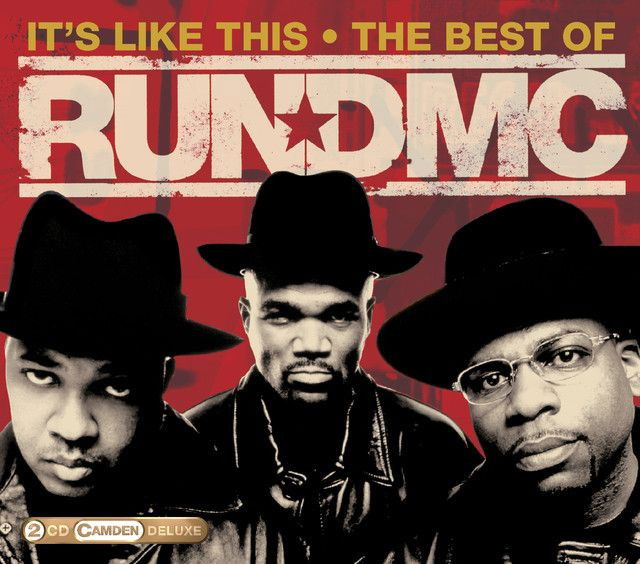
Walk This Way by Run–D.M.C., Aerosmith
The meaning of Walk This Way Run–D.M.C., Aerosmith starts with a simple idea: this is a song about teenage desire, sexual awakening, and learning how to perform confidence. In the original 1975 Aerosmith version, Steven Tyler and Joe Perry built a funny, fast, slightly dirty story about a shy schoolboy pushed into adulthood. In the 1986 Run–D.M.C. remake, that same story gained a second meaning: breaking down the wall between rock and hip-hop.
"Walk This Way" - Run–D.M.C. ft. Aerosmith
That's always undercover
And I talk 'til my daddy say
Loading lyrics...
Unable to load lyrics
We're unable to display the lyrics at this time. Please try again later.
The Song’s Core Story Hides in Plain Sight
Factually, Aerosmith’s original "Walk This Way" was released on Toys in the Attic in 1975, written by Steven Tyler and Joe Perry, and produced by Jack Douglas with the band. It later reached the US Top 10 after a reissue, while the 1986 Run–D.M.C. and Aerosmith version climbed even higher to No. 4 on the Billboard Hot 100, becoming a major crossover hit.
At the lyric level, the song tells a high-school story full of double meanings. The narrator remembers school dances, locker-room tension, and a girl who seems much more experienced than he is. Tyler later said the words were "really filthy," but cleverly disguised. That matters because the song never sounds heavy or tragic. Instead, it plays like a comic memory of a nervous teenager trying to catch up.
Interpretation: the song is not only about sex. It is also about imitation. The hook, Walk this way
and Talk this way
, suggests being taught how to act, move, and sound grown-up.

Watch the official Walk This Way
music video
A Coming-of-Age Tale with a Wink
Who is speaking in the lyrics?
They present a male narrator looking back at adolescence. He is awkward, curious, and outmatched by the girls around him. When he calls himself a kind of loser, the song frames him as someone learning the rules late.
That is why details like the high school dance
matter. This is not romance in a deep, adult sense. It is social education. He is studying status, attraction, and confidence in public.
How the verses build that meaning
The early lines throw the listener into memories of flirtation and taboo. The song mentions a cheerleader, school friends, and a first kiss. Then it moves toward a moment where a more experienced girl shows him what to do.
Walk this way
Talk this way
Just gimme a kiss
That small section sums up the whole plot. He is being instructed, then rewarded. The chorus is catchy, but it also turns seduction into a lesson.
Why the Chorus Means More Than It Seems
On the surface, the hook sounds like pure fun. It is rhythmic, repetitive, and perfect for shouting along. But it also changes the story. Instead of focusing only on one sexual moment, the chorus widens the theme into identity.
Interpretation: Talk this way
can be heard as a lesson in language and style. The teenage boy is not just learning about sex; he is learning a script for masculinity. He must project coolness even when he feels unsure.
That reading helps explain why the song endured. Many listeners may never focus on every innuendo, but they immediately understand the pressure to fit in, act confident, and follow social cues.
The Sound Makes the Meaning Feel Physical
A big part of the song’s power is musical. Joe Perry’s riff is one of rock’s most famous, reportedly inspired in part by New Orleans funk and shaped to avoid a basic blues pattern. Joey Kramer’s two-measure drum intro creates instant momentum, then the guitars hit like a door opening.
That groove matters because the lyrics are all movement: dancing, chasing, kissing, learning. The riff struts. It almost performs the command in the title before anyone sings it.
The Aerosmith original also used talkbox in the chorus, a striking texture that made the words feel half-human, half-machine. That playful effect mirrors the song’s theme of trying on a persona. The voice itself sounds stylized, like identity is being filtered through performance.
What Run–D.M.C. Changed
The 1986 version adds a new layer
When Run–D.M.C. recorded the song with Steven Tyler and Joe Perry for Raising Hell in 1986, they kept the skeleton of the original but changed the cultural meaning. What had been a dirty school story became a statement about genre, race, and American pop music.
The famous video shows rap and rock in separate rooms before Tyler literally breaks through the wall. Even without overreading it, the image is clear: barriers are coming down. The remake helped bring hip-hop to wider MTV audiences and became one of the key rap-rock crossover records of the era.
Why the cover works so well
Run and D.M.C. deliver the lyrics with harder edges and clearer rhythm. Their approach strips away some of Aerosmith’s sleaze and replaces it with command. The words become less like a memory and more like a performance challenge.
Interpretation: in the cover, walk this way
no longer means only sexual instruction. It also means: come into this sound, meet us on this level, follow this beat. That broader meaning is why the remake feels larger than nostalgia.
The Lasting Meaning of Walk This Way
The meaning of Walk This Way Run–D.M.C., Aerosmith has two strong layers. First, it is a comic, coded story about teenage sexual initiation and learning confidence through desire. Second, especially in the 1986 version, it is about translation between worlds: rock and rap, old audiences and new ones, separate rooms becoming one stage.
That mix of humor, swagger, and cultural change is why the song still lands. They made a record about learning how to move through the world, then turned it into a song that changed how popular music moved too.
Disclaimer: This article offers a grounded interpretation based on the lyrics, artist comments, and documented history. Meaning can still vary from listener to listener.









