Shake It Off by Ryan Adams
A cover that changes the song's center
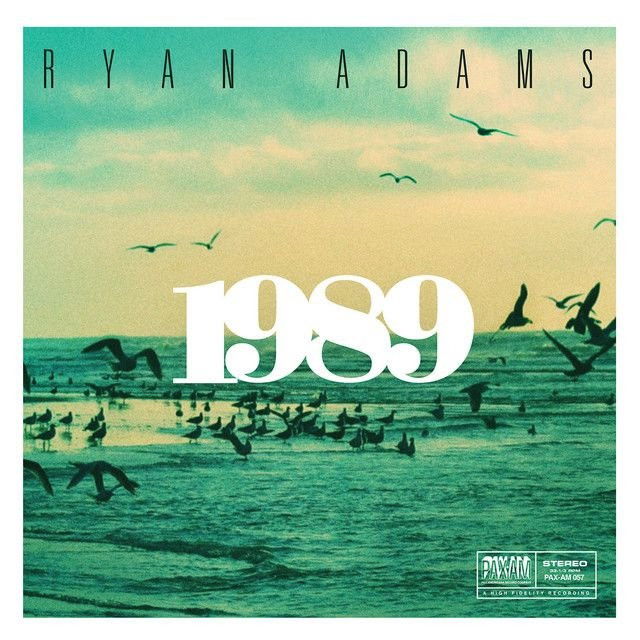
The meaning of Shake It Off Ryan Adams starts with a simple fact: this is not a new lyric, but it becomes a new emotional experience. Adams recorded a full-song cover of Taylor Swift's hit for his 2015 album 1989, a tracklist remake of her pop album. Swift's original "Shake It Off" was released in 2014 as the lead single from 1989, written by Taylor Swift, Max Martin, and Shellback.
"Shake It Off" - Ryan Adams
That's what people say, that's what people say
I go on too many dates, but I can't make 'em stay
Loading lyrics...
Unable to load lyrics
We're unable to display the lyrics at this time. Please try again later.
In Swift's version, the song pushes back against public judgment with humor, speed, and dance-floor confidence. In Adams's hands, the same words feel heavier and more human-sized. They sound less like a public victory lap and more like a person trying to survive a bad night. That shift is the key to understanding this cover.

Watch the official Shake It Off
music video
What the song is about in Adams's version
At its core, the song is about refusing to be defined by gossip, rejection, and outside opinions. The narrator hears people talk, assumes they are being misread, and chooses movement over self-doubt. Short phrases like that's what people say
and that's what they don't see
show the gap between public image and inner reality.
Interpretation: Adams leans into that gap. Instead of sounding amused by criticism, they make the lyrics sound tired, wounded, and stubborn. The message is still resilience, but it is not flashy resilience. It is the kind that happens after disappointment, when a person keeps going because stopping would hurt more.
That is why the hook still works. When the chorus says shake it off
, it does not feel like easy advice. It feels like a coping method repeated until it becomes believable.
How the verses build that feeling
The opening lines present a character boxed in by rumor and bad luck. They stay up too late, drift through dates that go nowhere, and seem trapped in a story other people have written for them. The point is not whether every accusation is true. The point is that public labels can become a prison.
Adams's slower, rock-based delivery changes how listeners hear these details. In the pop original, those lines are playful and self-aware. Here, they sound closer to confession. A line such as got nothing in my brain
comes across as sarcasm in Swift's version, but in Adams's reading it brushes against exhaustion and numbness.
That creates a stronger link between the verses and the chorus. The song is no longer just about swatting away critics. It becomes about keeping the self intact.
The chorus as self-defense, not celebration
The chorus lists predictable social roles: players, haters, heartbreakers, fakers. Each group does what it always does. The world keeps spinning its usual drama, and the narrator decides not to be swallowed by it.
players gonna play
haters gonna hate
I'm just gonna shake
The idea here is simple but strong: other people act according to habit, so the narrator needs a habit too. Their habit is release. They do not argue every insult. They do not chase every failed romance. They keep moving.
Interpretation: In Adams's version, this sounds less like dancing away from nonsense and more like surviving emotional static. The repeated chorus becomes a mantra. Its repetition, which some critics found shallow in the original, starts to feel psychologically accurate in the cover. People often do repeat the same words when they are trying to hold themselves together.
Why the sound matters so much
A major reason the meaning of Shake It Off Ryan Adams feels different is production. Swift's original is brisk, bright, and built on pop rhythm. According to Rolling Stone, Adams imagined parts of his 1989 project through a classic-rock and heartland-rock lens, and listeners can hear that clearly here.
Instead of a glossy beat designed for instant release, Adams uses a moodier arrangement with ringing guitars, steady drums, and a worn vocal tone. The song breathes more. Space opens between lines. That space allows sadness and defiance to sit together.
There is also a useful contrast in tempo and emphasis:
- Swift's version turns criticism into spectacle.
- Adams turns criticism into atmosphere.
- Swift sounds like they are above the noise.
- Adams sounds like they are inside it, fighting outward.
Neither approach is wrong. They simply tell different emotional truths.
Artist context and why listeners connected to it
Adams has long been drawn to songs about loneliness, damage, and endurance. That history shapes how audiences hear this cover. Even before they focus on the lyrics, they recognize a voice associated with ache and late-night reflection. So when Adams sings about being misunderstood, the idea feels native to their style.
Reception also mattered. Many listeners were surprised that a huge pop song could become a sad rock song without changing its words. That surprise helped prove how sturdy Swift's songwriting was, but it also highlighted Adams's gift for reinterpretation. He did not parody the song or mock it. He took it seriously.
That seriousness reveals a hidden truth in the lyric: beneath all the bounce, "Shake It Off" has always been about emotional defense. Adams simply brings that buried layer to the surface.
A final reading of the song's meaning
So what is the song about in this version? It is about choosing motion when identity feels under attack. It is about hearing the world misname you and refusing to live by those names. It is about loneliness, too, especially in lines about dating, dancing alone, and trying to stay light under pressure.
Interpretation: Adams's cover suggests that "shaking it off" is never total. People do not erase pain in three minutes. They manage it. They outlast it. That makes the song less triumphant but, for some listeners, more relatable.
In that sense, the cover does not replace Swift's meaning. It reframes it. Her version is public confidence. His is private endurance. Both arrive at the same lesson: the noise may not stop, but they can keep moving anyway.
Disclaimer: This article offers interpretation based on the recording, lyrics, and public context. Song meaning can remain open, and different listeners may hear it differently.








