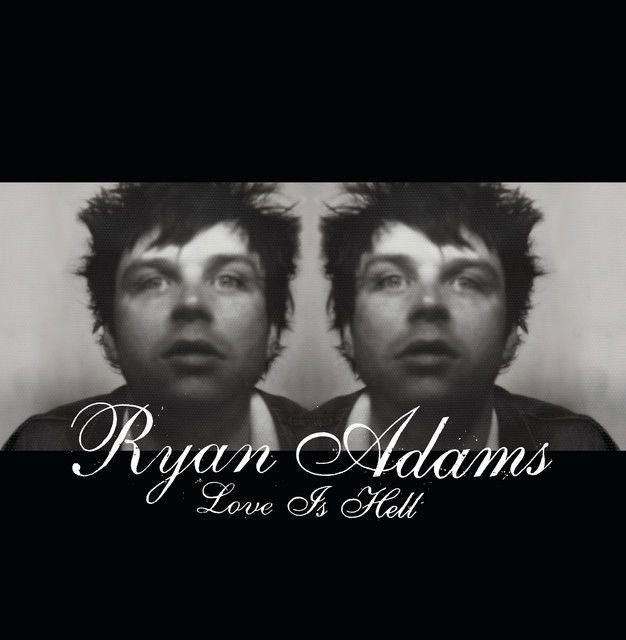
Wonderwall by Ryan Adams
Why This Cover Hits So Differently
When people search for the meaning of Wonderwall Ryan Adams, they are usually asking why his version feels so much sadder than the Oasis original. The short answer is that Adams turns a famous singalong into a private confession.
"Wonderwall" - Ryan Adams
That they're gonna give it back to you
By now you should've somehow
Loading lyrics...
Unable to load lyrics
We're unable to display the lyrics at this time. Please try again later.
Ryan Adams released his cover on Love Is Hell in 2004. Instead of leaning on Britpop momentum, they strip the song down and slow its pulse. That choice changes the emotional center. What once sounded hopeful and communal now feels lonely, fragile, and close to collapse.
This matters because the song already had built-in ambiguity. Noel Gallagher wrote “Wonderwall” and later said it was about an “imaginary friend” who saves a person from themselves, though earlier comments tied it to his then-girlfriend. Adams did not rewrite the words, but they did reinterpret the feeling.

Watch the official Wonderwall
music video
The Core Meaning in Adams's Version
At its heart, this cover is about emotional dependence. The singer sounds like someone holding onto one last source of comfort. The repeated idea behind save me
stops sounding romantic and starts sounding desperate.
That shift was not accidental. In comments cited by Songfacts from Uncut, Adams said they came to hear the song from the perspective of someone in severe danger, with the loved one as a final hope. That does not mean every listener must hear it that way. But it is the clearest window into their intent.
Interpretation: In Adams's hands, the song becomes less about admiration and more about survival. The title figure is not just a crush or soulmate. They are an emotional shield, a last barrier between the speaker and despair.
A Chorus About Rescue, Not Romance
The chorus is the key to the whole performance. In the Oasis version, you're my wonderwall
can sound warm, even triumphant. In Adams's reading, the same phrase sounds shaky and uncertain, as if the singer is trying to convince themselves that help still exists.
The song also balances certainty and doubt. The speaker makes bold claims about feeling more deeply than anyone else, yet they also admit they cannot fully speak. That tension is summed up in the small but powerful phrase I don't know how
. They need connection, but language keeps failing them.
And all the roads we have to walk are winding
And all the lights that lead the way are blinding
Those lines describe a path that is confusing rather than clear. In Adams's version, they sound like a map of emotional exhaustion. Life is hard to navigate, and even guidance can overwhelm.
How the Verses Support the Theme
The verses show a person trying to push someone else toward clarity while also revealing their own need. The opening idea of today is gonna be the day
suggests a turning point, but the song never gives full release. Every promise of action is matched by uncertainty.
That is why Adams's pacing matters so much. They sing as if each line is being discovered in real time. The pauses feel heavy. The melody no longer rides forward; it hesitates.
Interpretation: This makes the narrator sound less confident and more exposed. Rather than a lover making a grand statement, they become someone talking themselves through heartbreak, fear, or emotional collapse.
The Sound That Changes the Meaning
Production as Interpretation
A big part of the meaning of Wonderwall Ryan Adams comes from arrangement, not just lyrics. Oasis recorded the original for 1995's (What's the Story) Morning Glory?, with acoustic guitar, Mellotron texture, and a firm backbeat that kept the song moving even when the words turned inward.
Adams pulls away from that muscular frame. Their version uses a slower tempo, softer attack, and more open space around the vocal. The effect is almost like hearing the song after everyone else has left the room.
The vocal delivery is especially important. Adams sings with a cracked, tired intimacy that makes phrases like about you now
feel less declarative and more wounded. They do not sound like they are announcing love to a crowd. They sound like they are confessing need to one person.
Why the Instrumentation Matters
A few musical choices drive the darker mood:
- slower tempo creates emotional weight
- gentler dynamics remove anthem-like uplift
- exposed vocal puts pain at the center
- less rhythmic push makes the song feel suspended
Together, those choices turn the song inward. The cover does not argue with Oasis's version; it reveals another layer inside it.
Context: Why This Reading Caught On
Ryan Adams recorded the song partly as a playful response to debates about Oasis and Blur, according to Songfacts. But the cover outgrew the joke. It connected because listeners could suddenly hear how unstable the lyric really was.
That response also says something about the original song's strength. Oasis's “Wonderwall,” released in 1995 and written by Noel Gallagher, became one of the era's defining singles and later passed one billion Spotify streams, according to Wikipedia. A song that famous risks becoming overfamiliar. Adams made people hear it again.
There is also a feedback loop in the song's legacy. Critics and fans have long argued over who “Wonderwall” is about, but Adams's version shifts the question. Instead of asking who the person is, they ask what the person represents: rescue, hope, dependence, or illusion.
Final Take: Hope on the Edge
The best way to understand the meaning of Wonderwall Ryan Adams is to hear it as a song about needing one person too much. It is tender, but it is not calm. It is loving, but it is also frightened.
Interpretation: Adams reveals the lyric's darkest possibility—that the speaker is not simply in love, but barely holding on. That is why the cover still lands. It takes a cultural giant and makes it sound painfully human.
Disclaimer: Song meaning is always part fact, part interpretation. Artist comments, recording context, and the music itself can guide a reading, but listeners may still hear the song differently.








