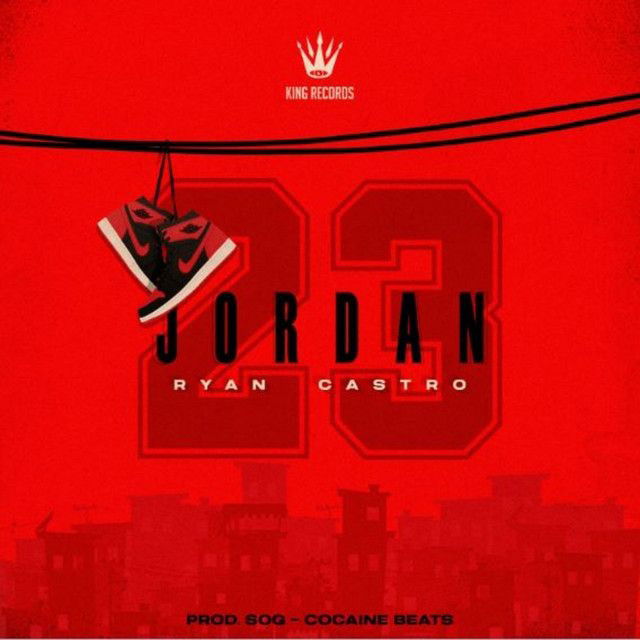
Jordan by Ryan Castro
A club door swings open. He walks in with swagger, eyes on him and beats in his chest. Ryan Castro’s Jordan captures that instant when status, chemistry, and secrecy collide on a dance floor. For listeners searching the meaning of Jordan Ryan Castro, this is a flirtatious, detail-rich snapshot of Medellín nightlife, told by someone who knows the room.
"Jordan" - Ryan Castro
El cantante del ghetto zaga zauu
(Kurt Cain, Kurt Cain)
Loading lyrics...
Unable to load lyrics
We're unable to display the lyrics at this time. Please try again later.
Sneakers, Status, and the Nightlife Signal
The title isn’t subtle: Jordan stands for aspiration and dominance. When the narrator arrives vestido de Jordan
, it’s a visual flex. He also calls out Nike and Air Force One
, turning sneakers into symbols of success and entry—he belongs in the club’s bright center, not on the margins.
Beyond brand-dropping, the fashion cues set tone and tempo. In reggaeton, outfit details often work like a calling card. Here, they tell us he’s prepared to be seen, to move, and to win. That image primes the listener for what follows: a one-night plot with high heat and tighter boundaries.

Watch the official Jordan
music video
Who’s Speaking, and What Do They Want?
The narrator is first-person, addressing a woman he already knows. He notes rivals—los enemigos miran feo
—and leans into discretion with calla'ito
. This is a social ecosystem where attention is currency, and privacy is protection.
He also highlights compatibility: she’s es rapera como yo
. That line does double duty. It’s flirty (“we vibe alike”) and tribal (“we’re from the same culture”). The mix of bravado and community grounds the track in Castro’s Medellín roots and self-styled tag, “El cantante del ghetto.”
A Mini-Movie in One Night
Think of the song as a quick-cut film with these beats:
- He enters the club in statement gear (Jordan/Nike) and draws interest.
- Mutual chemistry with a woman he’s met before sparks fast.
- They dance close; tension builds in the crowd.
- He promises exclusivity for the night—
solo eres pa' mí
—even as they keep it quiet from onlookers. - After the club, they plan to slip away, low-profile and unbothered by haters.
Each step reinforces the hook: public heat, private exit. The tension between showing off and keeping secrets drives the narrative forward.
The Chorus: Heat, Memory, and the Wall
The chorus distills desire and déjà vu. It’s not their first time; that makes the spark feel inevitable. The language is simple, physical, and made for call-and-response in a packed room:
Tentándome como cuando la conocí
Pega'ita contra la pared
Interpretation: the pull is as strong as the day they met, with the wall image amplifying closeness and urgency. That’s why the refrain hits so hard in clubs. It’s short, repeatable, and emotionally direct, a sweet spot for reggaeton hooks.
Symbols and Codes from the Block
- Sneakers/brands: Jordan, Nike, and
Air Force One
equal status, athletic prowess by proxy, and street capital. - Enemies:
los enemigos miran feo
frames outsiders as bitter onlookers. Haters validate his ascent. - Discretion:
calla'ito
encodes the rules—have your fun, leave no trace. - Shared culture:
es rapera como yo
means alignment in taste and background, not just attraction. - Medellín nods: place names and slang root the track in a specific Colombian club culture that has fueled the global reggaeton wave.
Together, these signals explain why the song resonated. Listeners read the dress code, the whispered rules, and the dance-floor rituals like inside jokes.
How the Sound Makes the Story Move
Jordan rides a classic reggaeton dembow: syncopated kick-snare patterns, tight hi-hats, and a sub that thumps without muddying the vocal. Ad-libs and percussive “chu” bursts create crowd moments between lines, giving DJs clean spots to blend.
The arrangement favors immediacy—short phrases, quick commands, and a hook that cycles fast—so the track hits in under a few plays. Name-checks to collaborators and Medellín producers serve as scene-setting tags. Even without a lyric sheet, the beat says: confidence, motion, and no time to overthink.
Why It Blew Up Beyond Colombia
Jordan didn’t just work regionally; it crossed borders on streaming. The music video cleared 400 million views on YouTube, and the song spent weeks on Spotify’s Global Top 50. That reach makes sense: the story is simple, the hook is sticky, and the iconography (Jordans, Nike, the VIP glow) reads instantly to worldwide audiences, especially in the U.S., where sneaker culture is mainstream.
Alternate Readings Worth Considering
- Interpretation 1: Pure braggadocio. The track is a victory lap where clothes, conquest, and clout prove he made it out of the barrio.
- Interpretation 2: Flex with vulnerability. The chorus’s memory of “when I first met you” hints at a softer core—he wants to relive a feeling, not just score a win.
Both are supported by the push-pull of exposure and secrecy, swagger and nostalgia.
Takeaway for First-Time Listeners
The meaning of Jordan Ryan Castro is straight to the point: status meets chemistry, and the club becomes a stage for desire played on the low. Sneakers and slang are the costume and script, while the dembow keeps the camera rolling.
Disclaimer: Song meanings are interpretive and may vary by listener. This analysis reflects one informed reading based on lyrics, context, and production choices.







