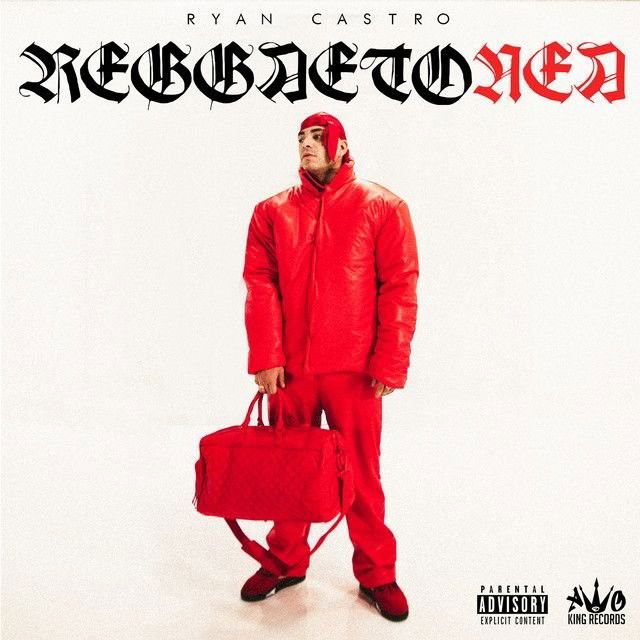
Mujeriego by Ryan Castro
The meaning of Mujeriego Ryan Castro starts with a contradiction: the song sounds joyful, but its confession is messy. Over a festive reggaeton groove, Ryan Castro’s narrator admits that nightlife has shaped him into a flirt and repeat heartbreaker. The track is built to move a party, yet its central idea is about how pleasure, ego, and environment can turn into identity.
"Mujeriego" - Ryan Castro
Ladies and gentlemen
Con ustedes
Loading lyrics...
Unable to load lyrics
We're unable to display the lyrics at this time. Please try again later.
A Party Record With a Confession Inside
On the surface, “Mujeriego” is a high-energy club song. It opens like a public celebration, inviting people to dance and have a drink. That framing matters because the narrator does not tell this story privately. They perform it for a crowd.
Very quickly, the song names the forces behind the behavior: la calle
, money, and alcohol. The key line, paraphrased, says that street life, cash, and drinking made him this way, followed by perdóname, Señor
. That short plea to God introduces guilt into an otherwise playful song.
Interpretation: this is why the track lands. It is not simply bragging. It turns self-destruction into a catchy hook, which is common in urbano music, where confidence and consequence often sit side by side.

Watch the official Mujeriego
music video
Why the Chorus Matters So Much
The chorus is the song’s thesis. When the narrator repeats soy un mujeriego
and adds nunca lo niego
, they are not trying to defend themselves. They are surrendering to the label.
That is important because the chorus does two things at once:
- It makes the song instantly memorable.
- It shows that reputation has replaced reflection.
Instead of asking whether this lifestyle is good, the narrator treats it as settled fact. They know how others see them, and they play into it. The hook turns public judgment into personal branding.
What the Verses Reveal About His World
The verses widen the picture. The narrator moves through a neighborhood, parties, drinks, dancing, and quick encounters. The song describes attraction in broad, casual terms, making it clear that the point is variety, not connection.
One of the most telling phrases is si bebo ron
. Repeated across the verse, it suggests that alcohol lowers standards and speeds up desire. The women in the song are described through surface details, which reinforces the emotional emptiness of the narrator’s approach.
Another recurring idea is speed. He meets, dances, and leaves. The phrase chao y hasta luego
captures that pattern. He treats romance as a temporary thrill, not a bond.
Interpretation: the song presents womanizing less as seduction than as habit. The narrator is always moving, always consuming, never staying still long enough to build intimacy.
Sound, Rhythm, and Why It Feels So Light
A big part of the meaning of Mujeriego Ryan Castro comes from its sound. Ryan Castro rose through Colombia’s urbano scene, and the song fits the style that helped define his breakout era: reggaeton drums, chant-ready hooks, and neighborhood flavor. The user-provided credits name Bryan Castro Sosa and Santiago Orrego Gallego as the writers, with SOG also referenced in the performance tag.
The production is bright and direct. The beat pushes forward with dance-floor purpose, while the opening voiceover and ad-libs create the feel of a live street party. That matters because the music softens the confession. If these same words were sung over a sad ballad, the narrator might sound ashamed. Here, they sound charismatic.
Ay-ay-ay, soy un mujeriego
Ay-ay-ay, y yo nunca lo niego
Even in this brief refrain, the melody turns a flaw into a chant. That is the trick of the song: the production encourages listeners to enjoy what the lyrics quietly complicate.
Ryan Castro’s Persona and the Song’s Cultural Lens
Ryan Castro has often built records around street-born confidence, humor, and local detail, part of the image behind his “Cantante del Ghetto” identity. In that context, “Mujeriego” fits his persona. It sounds communal, regional, and proudly unpolished rather than polished for pop crossover.
For U.S. listeners, that context helps. The song is not framed like a deep diary entry. It is more like a character sketch from nightlife culture, where masculinity is performed in public through dancing, drinking, and boasting. The holiday gift references and neighborhood details make the story feel local and lived-in, not abstract.
Still, the song also reflects a familiar Latin urban trope: the charming rogue who knows he is trouble. That trope can be catchy, but it can also be limiting, because women become background to the man’s image.
Two Reasonable Ways to Read It
There are at least two strong readings of the song:
Reading One: A Straight-Up Anthem
In this view, the song is exactly what it sounds like: a lively reggaeton hit about flirting, dancing, and enjoying the night. The guilt line is brief, and the mood stays celebratory.
Reading Two: A Masked Confession
In this reading, the fun is a cover. The narrator blames outside forces, admits moral conflict, and repeats their label so often that it sounds defensive. They may be laughing, but they are also trapped in a role.
Both readings fit the text. That tension is what gives the song staying power.
The Bottom Line on “Mujeriego”
The meaning of Mujeriego Ryan Castro is not just that the narrator loves women. It is that he has become known for chasing attention, and he performs that reputation like a badge. The song pairs guilt with swagger, using rhythm and repetition to make a flawed identity feel irresistible.
That mix of confession and celebration is why “Mujeriego” works. It is fun enough for a party, but sharp enough to hint at the cost of living only for the next drink, the next dance, and the next goodbye.
Disclaimer: This article offers an interpretation of the song based on its lyrics, performance, and context. Meanings can vary from listener to listener.








