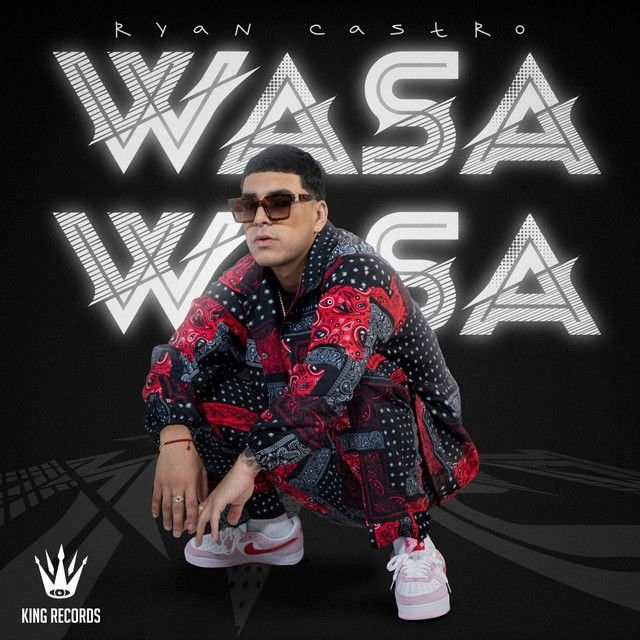
Why ‘Wasa Wasa’ by Ryan Castro Hits Hard
A club detonator first, a character sketch second, “Wasa Wasa” shows Ryan Castro turning street slang and Medellín swagger into a dance-floor credo. The track blends flirtation, flexes, and regional flavor into a tight, perreo-ready hook.
"Wasa Wasa" - Ryan Castro
Dímelo, baby
Siempre original gangsta
Loading lyrics...
Unable to load lyrics
We're unable to display the lyrics at this time. Please try again later.
What This Night Is Really Selling
The meaning of Wasa Wasa Ryan Castro boils down to three ideas: pleasure, power, and authenticity. He invites a partner to the dance floor—si te gusta bailar reggaetón
—and frames the night as an open lane for desire, because la noche se presta
(the night is right for it).
At the same time, he asserts status. Lines about being haciendo par de millone'
draw a line between real success and clout-chasing. When he calls others son wasa, wasa
, he’s dismissing the noise: rivals are all talk, not action.
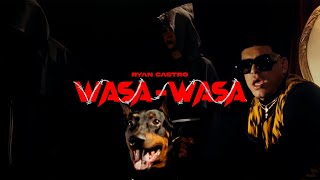
Watch the official Wasa Wasa
music video
Who’s Talking, and to Whom?
The narrator is Castro, speaking directly in streetwise, affectionate terms to a woman he wants to dance with and impress. The tone swings between playful and confident, with flashes of bravado common to reggaeton.
He also performs for a wider audience: the club and the city. The callouts to SOG and the label tag at the top stage him as a brand—an entertainer who knows how to trigger the room.
What Happens in the Lyrics (A Quick Timeline)
- Opening boasts and flirtation set the tone. He compares her allure to pop icons and luxury, then throws a jab at imitators—
son wasa, wasa
—establishing authenticity as a theme. - The hook invites movement and consent:
si te gusta bailar reggaetón
. The refrain repeats to center joy and rhythm instead of overcomplicating the message. - The party instructions arrive:
prendan los blunte'
and move the jeans. It’s a montage of club visuals and status markers, from a white Mercedes to stacks of earnings. - Verse two flashes roots and attitude. He nods to dancehall lineage (“raggamuffin” since his teens) and keeps it cheeky, a reminder that humor and heat often ride together in perreo.
What the Hook Really Says
The chorus isn’t coy. It asks plainly for a dance and frames the moment as mutual. Interpretation: By repeating the ask and keeping the language simple, the song turns consent and vibe into the center of gravity. It’s not a love confession; it’s a green light for the night.
Symbols and Slang That Carry the Weight
- Wasa wasa: a brush-off for fakes—useful shorthand for who’s in the circle and who’s not.
- Luxury rides and big numbers: markers of success used to validate the swagger of the invite.
prendan los blunte'
and denim/hips imagery: classic nightlife cues that set a sensory scene.- Dancehall DNA: the “raggamuffin” reference threads him to Caribbean cadence and phrasing.
These motifs organize the track: pleasure isn’t separate from status; they reinforce each other. He’s saying, “I can set the vibe and I can back it up.”
How the Sound Underscores the Message
SOG’s beat adheres to a dembow pulse with tight snares, booming low end, and a tempo built for perreo. The mix leaves space for ad-libs and onomatopoeia (the percussive “tra, tra” feel), which punctuate the flirt lines like exclamation marks.
Castro’s delivery shifts between rap-like cadence and melodic chant, a blend he developed in Medellín’s scene and sharpened as he rose through reggaeton and dancehall. The crisp, loop-forward structure maximizes crowd response: every eight bars offers a new reason to move or shout back.
Why “Wasa Wasa” Resonated in His Rise
Ryan Castro came up fast from local performance spaces to global stages, building a catalog where nightlife anthems double as identity statements. “Wasa Wasa” sits in that lane: it’s lean, catchy, and packed with signifiers of who he is and where he’s from.
He also keeps humor in play. Even a flex like haciendo par de millone'
lands less as a lecture and more as a wink—another reason the record feels light on its feet despite the tough talk.
Alternate Angles to Hear It
- Interpretation: A club vignette about consent and energy, where the chorus’s direct question centers mutual choice rather than conquest.
- Interpretation: A status parable—nightlife as a stage to prove real versus fake, summed up by the jab
son wasa, wasa
.
Both readings hold because the lyrics keep the plot thin and the signifiers loud. The beat and hook carry the story more than any single narrative twist.
Final Takeaway
“Wasa Wasa” works because it’s simple and sure of itself. It invites the dance, draws a bright line between real and fake, and lets SOG’s dembow do the heavy lifting.
Disclaimer: Song meanings are subjective. This analysis reflects one informed interpretation based on the lyrics, artist context, and production.








