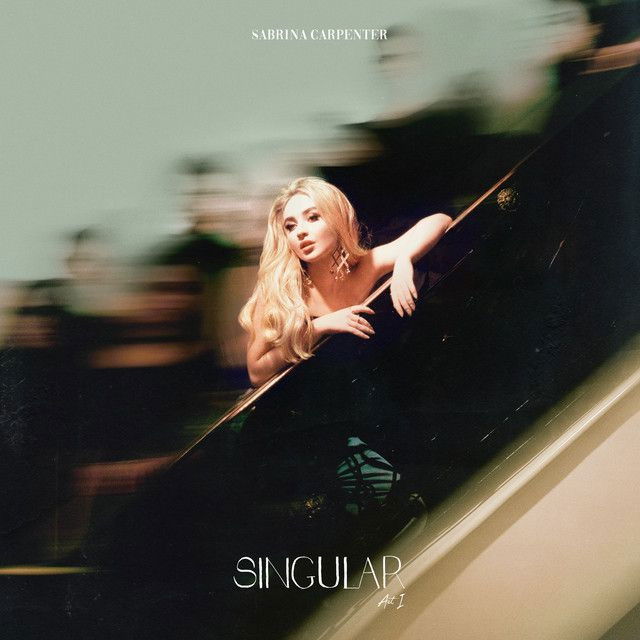
Sue Me by Sabrina Carpenter
They walk into “Sue Me” and hear a smile with teeth. Sabrina Carpenter turns a breakup into a victory lap, asking a playful question at the heart of the song: if confidence isn’t a crime, why do hurt exes treat it like one? For readers searching for the meaning of Sue Me Sabrina Carpenter, the track is about owning your glow-up without apologizing for it.
"Sue Me" - Sabrina Carpenter
Oh baby, I heard you been hoping you could change the past
You miss the longer nights
Loading lyrics...
Unable to load lyrics
We're unable to display the lyrics at this time. Please try again later.
Confidence as a Comeback, Not a Court Case
At its core, the song reframes post-breakup pain as power. The narrator knows the ex is nostalgic and uncomfortable seeing her thrive. She responds with humor and bite, tossing out phrases like Feeling myself can't be illegal
. The legal language is a joke, but it lands the point: self-worth doesn’t need anyone’s permission.
Factually, the song appears on Carpenter’s 2018 album Singular: Act I. It was written by Sabrina Carpenter, Steph Jones, Trevor Brown, Warren “Oak” Felder, and William Zaire Simmons, with production by Felder and Simmons. Knowing Felder’s punchy pop instincts helps explain why every syllable feels tailored for a confident strut.

Watch the official Sue Me
music video
Who’s Talking—and Who Needs to Hear It?
The narrator speaks in first person to a specific ex who underestimated her. Lines such as That's my shape
and don't wear it out
mark a clear stance: she defines herself, and she’s done letting other people name her worth.
Interpretation: The repeated “you” builds a mirror for the ex—and for any listener who doubted their own shine. It’s not just clapback; it’s boundary-setting. The message says, “My success is not an attack on you.”
From Breakup Blues to Spotlight: The Mini-Plot
- The ex wants to rewind the past. She notes how they miss the long nights and long goodbyes.
- She refuses to pretend it was easy, rejecting the idea that she moved on “nonchalantly.”
- The pivot: she embraces feeling good in her skin and in public. The spotlight becomes proof of growth, not vanity.
- The chorus turns confidence into a dare, rebranding her public glow as harmless—and unstoppable.
Together, these beats sketch a familiar arc: heartbreak, clarity, and then the loud decision to enjoy life again.
The Chorus’s Legal Metaphor, Unpacked
The hook pulls the theme into focus:
So sue me for looking so pretty tonight
Wearing your favorite color under the lights
Paired with lines like being something you can't forget
, the chorus makes a bet: the ex’s jealousy or discomfort is their problem, not hers. Interpretation: The phrase “sue me” teases the idea of punishment while refusing to internalize blame. She’s not breaking rules—she’s breaking patterns.
How the Sound Sells the Attitude
Production matches the posture. The drums hit clean and forward, with a springy bass line that feels like a catwalk stomp. Sharp, compressed guitars and bright synth stabs suggest a mirror-ball mood. Background ad-libs—the playful “yep, yep, yep”—work like eye-rolls set to rhythm, while stacked harmonies turn the hook into a crowd chant.
Carpenter’s vocal leans conversational in the verses and opens up in the chorus. That shift mirrors the story: from private reflection to public confidence. The mix leaves room for punchy one-liners, so a line like hard to ignore
lands like a wink you can hear.
Alternate Readings and The Last Word
Interpretation: Some fans hear it as subtle shade, especially in the “favorite color” detail, which can feel like a pointed nod to a shared past. Another reading is broader: there is no single ex; the “you” is any force—person or public—that tries to shrink her. Both takes fit because the writing keeps the specifics minimal and the feeling maximal.
Crucially, the swagger isn’t cruel. The humor, the bright tempo, and the refusal to apologize create a safe space for listeners to rehearse their own confidence. When she sings Feeling myself can't be illegal
, it doubles as permission: joy after pain is not a moral failure.
In short, the meaning of Sue Me Sabrina Carpenter centers on unapologetic self-celebration. The song flips the courtroom into a dance floor, turns judgment into a joke, and shows how moving on can sound like pop fireworks.
Disclaimer: Song interpretations are subjective. This breakdown reflects one informed reading based on lyrics, performance, and publicly available credits.









