Wedding Day by SAINt JHN
A wedding song that does not feel safe
The meaning of Wedding Day SAINt JHN sits in a tense space between romance, ego, survival, and memory. The title sounds soft and ceremonial, but the song itself is restless. They present love as something desired and doubted at the same time.
"Wedding Day" - SAINt JHN
You tryna find all the emotions, I bury it
You tryna see who I am tonight, but I vary
Loading lyrics...
Unable to load lyrics
We're unable to display the lyrics at this time. Please try again later.
At the center is a speaker who imagines commitment, yet cannot stop thinking like someone shaped by danger and hustle. Early on, the song frames marriage as permanent with can't ever get divorced
. That line is not sweet in a simple way. It sounds like a vow, but also like a warning. They want closeness, yet they speak as if trust must be defended before it can be given.
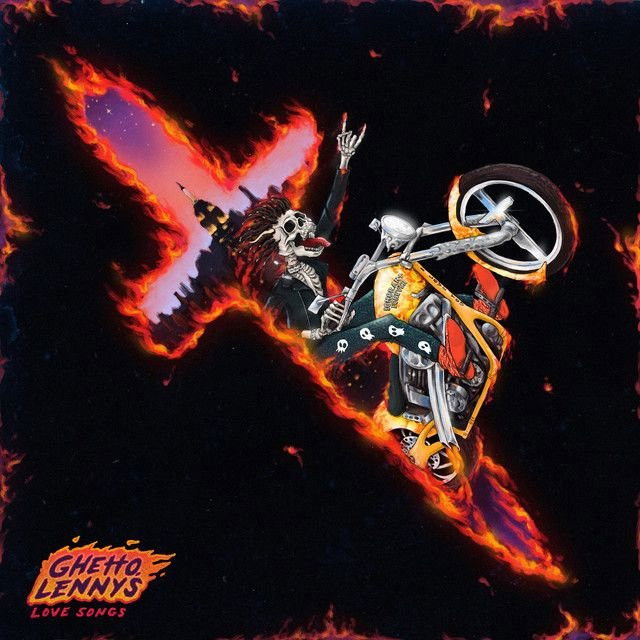
This split feeling is a big part of SAINt JHN's style. Across projects like Collection One and Ghetto Lenny's Love Songs, they often mix luxury, pain, seduction, and street detail into one persona, as noted in coverage from Billboard and Complex. "Wedding Day" fits that emotional blend.

Watch the official Wedding Day
music video
The real subject: love under pressure
On the surface, the song moves between talk of a partner, sexual confidence, and status. Underneath, it is about how hard it is for someone to be fully open after a life built on secrecy, toughness, and ambition.
The key confession may be I bury it
. They say the other person is searching for emotion, but the speaker hides those feelings instead of sharing them. That makes the song less about a happy relationship than about emotional self-protection.
Why the verses feel divided
The verses keep bouncing between two worlds:
- devotion and possession
- street rules and criminal memory
- success and old trauma
- desire and distrust
That back-and-forth matters. It shows that even in a moment that should feel intimate, the speaker's mind returns to codes of survival. When they mention hood rules
, they suggest that love does not erase where they came from. It only exposes how much of that past still lives inside them.
The relationship is intimate, but unstable
One of the song's most striking moves is how it shifts from talking about a wife to using language that sounds transactional or performative. They describe a private night with a partner, then undercut that intimacy with labels and objectifying terms. Importantly, the song seems aware of that contradiction.
The line about not wanting to objectify her shows a flash of self-awareness. They know desire can turn a person into an image. Yet they also seem trapped inside that performance of masculinity. In other words, they can recognize the problem without fully escaping it.
Interpretation: this is why the song feels uneasy rather than romantic. It is not celebrating perfect love. It is exposing how damaged ideas about power and desire can enter a relationship, even when the speaker wants something real.
Just me and my wifey tonight
She likes it when I look in her eyes
That brief pair of lines captures the tension well. One line sounds possessive and public-facing; the other sounds genuinely personal. The song keeps moving between those two modes.
Success does not clean the past
A major thread in the song is upward mobility. The speaker brags about paying off a parent's house and winning major recognition. Those details matter because they show proof of success. Still, the tone is not peaceful. Every victory seems haunted by the old world that taught them how to move.
When they say you should see the B-roll
, they imply there is an unseen backstory behind the glamorous image. The public sees the headline version; the song offers the rough footage underneath. That is why references to money and status never feel purely triumphant.
The repeated street language also gives the track a strict moral code, even if that code comes from a harsh environment. They keep returning to rules, ranks, and who gets to speak. That structure suggests the speaker trusts systems of power more than systems of intimacy.
How the production supports the meaning
The production, credited in the song's official metadata to Carlos St. John Phillips and Lee Stashenko, matches the lyrical split. The beat feels sleek but shadowy. Instead of sounding warm and wedding-like, it carries a late-night mood: low-end weight, space in the mix, and a performance that sounds half-confession, half-flex.
That matters for interpretation. A brighter instrumental might have made the title sound ironic. Here, the darker atmosphere makes the song feel internal. They are not just showing off; they are circling their own contradictions.
SAINt JHN's vocal approach
SAINt JHN often sings and raps in the same breath, blurring tenderness and threat. In this song, that delivery helps the meaning land. They can sound seductive on one line and guarded on the next. The result is a narrator who never fully settles.
This is also why the closing idea about rare nights and clearer vision hits hard. The song suggests that certain intense moments—love, sex, fame, danger, nightlife—can briefly make life feel understandable. But that clarity is temporary. It arrives in flashes, not in peace.
A useful way to read the ending
By the end, the song feels less like a wedding and more like a vow made in unstable conditions. The speaker wants permanence, but they still think in terms of risk, code, and control. They may love deeply, yet they do not know how to become simple.
Interpretation: the meaning of Wedding Day SAINt JHN is that commitment sounds beautiful, but it becomes complicated when a person carries survival habits into romance. Love is present here, but so are ego, fear, and performance.
That mix is what gives the song its pull. It is intimate without being innocent, and flashy without being carefree. They are not inviting listeners to a celebration. They are letting them hear what commitment sounds like when the heart and the armor are both still on.
Disclaimer: This interpretation is based on the released lyrics, performance, and publicly available song credits. As with any art, listeners may hear different meanings in the song.








