
Why “Ladies and Gentlemen” Hits Like an Entrance
The meaning of Ladies And Gentlemen Saliva starts with a simple idea: this is a song about putting on a show and making that show feel huge. Rather than telling a detailed story, Saliva builds a loud, theatrical invitation. The speaker sounds like a ringmaster, a wrestling announcer, and a rock frontman all at once.
"Ladies And Gentlemen" - Saliva
Would you bring your attention to me?
For a feast for your eyes to see
Loading lyrics...
Unable to load lyrics
We're unable to display the lyrics at this time. Please try again later.
Released in late 2006 as the lead single from Blood Stained Love Story, the song became one of Saliva’s biggest crossover event tracks, reaching No. 2 on Billboard’s Mainstream Rock chart and later earning Gold certification from the RIAA. That success matters because it confirms what the song is trying to do: create instant adrenaline and crowd response.
A Rock Song Built as a Spectacle
At its core, the song presents performance as controlled chaos. The opening invitation, including bring your attention to me
, frames the singer as someone demanding the room. From there, the lyrics escalate into imagery of shock, awe, and sensory overload.
This is not subtle writing, and it is not trying to be. Interpretation: the exaggerated language suggests that the real subject is not destruction, but the way modern entertainment sells intensity. Everything must be bigger, louder, and more unforgettable than the last thing the audience saw.
That is why phrases like Welcome to the show
matter so much. They turn the song into an entrance theme. The listener is not just hearing a performance; they are being pulled inside one.
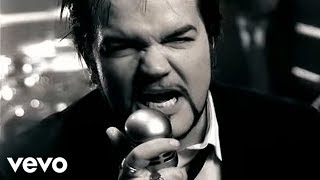
Watch the official Ladies And Gentlemen
music video
The Ringmaster Voice Explains the Lyrics
Josey Scott directly explained the concept in interviews, saying he wanted the verses to sound like a circus announcer and asking, in effect, what if he delivered them like a ringmaster. That creative choice is the key to the song’s meaning.
Once that voice is understood, lines that might seem over-the-top make perfect sense. The song is speaking the language of spectacle: promises, warnings, crowd bait, and dramatic buildup. When the lyric hints that seeing is believing
, it reflects the logic of a live event where proof comes from impact, not reflection.
How the song unfolds
The structure works in three quick stages:
- It grabs attention.
- It promises something overwhelming.
- It delivers a chant-heavy payoff.
That design mirrors a sports intro, a wrestling walkout, or a concert opening. The song keeps telling the audience that something massive is about to happen, then uses the chorus as the explosion.
Why the Chorus Feels So Physical
The famous hook is built around repetition and impact words, especially Boom!
Rather than deepening the narrative, the chorus acts like a trigger for group energy. It invites response: do you want it, do you need it, can you feel it?
Interpretation: this is why the song connected so strongly in arenas and on television. The chorus does not ask the listener to think through a plot. It asks them to react with their body first.
Do you want it?
Do you need it?
Let me hear it!
That short sequence shows how the song works. It is call-and-response writing, closer to crowd control than confession. Saliva is turning a rock single into a public event.
Sound, Production, and the Meaning Behind the Noise
Bob Marlette produced the track, and his approach helps explain why the song feels both heavy and polished. The guitars are downtuned and punchy, the drums are built for stomp rather than swing, and the vocals jump between spoken setup and shouted release. Those choices support the theme of staged impact.
The production also leaves space for the chant to land hard. There is little softness in the arrangement, but there is discipline. Every section is aimed at momentum.
This is one reason some critics were split. Reviews ranged from harsh dismissals to praise for the song’s pop instinct. That divide makes sense: the track is intentionally blunt. People who want nuance may hear bombast; people who want adrenaline may hear precision.
Why It Became a Sports and WWE Staple
Context sharpens the meaning of Ladies And Gentlemen Saliva. The song was widely used in sports and media, including as the official theme for WrestleMania 23. Josey Scott even said they wrote it with WWE in mind. That background does not reduce the song’s meaning; it clarifies it.
This was a song designed to sound larger than everyday life. Its images of being overwhelmed, stunned, and drawn toward the action all fit the emotional logic of pro wrestling, highlight reels, and big-game intros.
Interpretation: the lyrics are less about one specific event and more about the promise every hype package makes: what they are about to see will top everything before it.
Final Take: A Song About Selling the Moment
In the end, “Ladies and Gentlemen” is about spectacle as an experience. It uses ringmaster language, arena-rock force, and chant-ready hooks to make listeners feel like they are standing at the edge of something explosive.
That is the real meaning of Ladies And Gentlemen Saliva: not a hidden story, but a perfected entrance. The song celebrates hype, performance, and the thrill of surrendering to a loud public moment.
Disclaimer: This interpretation separates documented facts about the song’s release and reception from critical reading of its lyrics and themes. Meaning in music can vary from listener to listener.