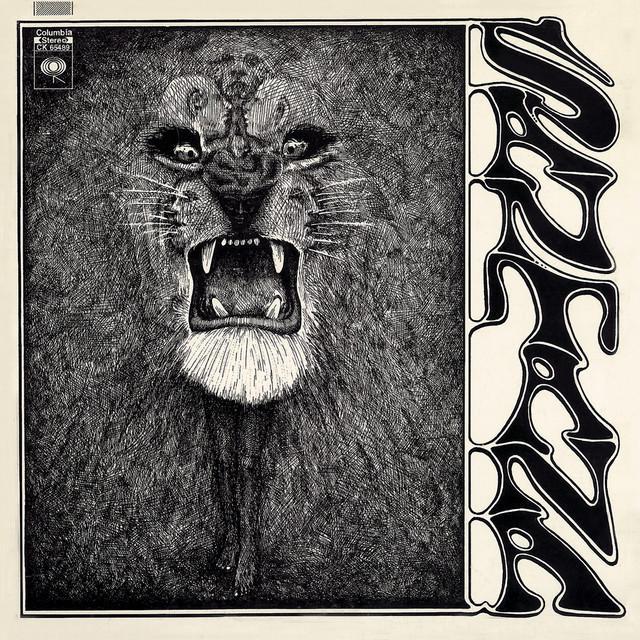
Jingo by Santana
Why This Groove Says More Than Its Words
The meaning of Jingo Santana starts with a simple fact: Santana’s track is a version of Babatunde Olatunji’s earlier song “Jin-go-lo-ba,” a piece rooted in Yoruba language and rhythm. According to Wikipedia, the title phrase has been translated as “Do not worry.” That makes the song’s message feel much clearer than its very few words might suggest.
"Jingo" - Santana
Jingo Ba
Jingo
Loading lyrics...
Unable to load lyrics
We're unable to display the lyrics at this time. Please try again later.
This is important because “Jingo” does not tell a detailed story. Instead, it works through chant, repetition, and percussion. The result is less like a pop lyric and more like a communal feeling set to rhythm. They are not hearing a character explain life; they are hearing a band turn reassurance into motion.

Watch the official Jingo
music video
The Core Meaning Behind “Jingo”
At its heart, the meaning of Jingo Santana is release. The repeated vocal phrases are not there to build a plot. They create a trance-like loop that points back to the original song’s calming idea. When the singers repeat Jingo
and Jingo Ba
, the words function almost like a mantra.
Interpretation: That mantra-like effect makes the song feel physical as well as emotional. It suggests that peace is not only something they think about. It is something they move into through rhythm.
The lyric content is minimal, but that does not make it empty. In many rhythm-centered traditions, repetition is the point. Saying less can open more space for drumming, dancing, and shared energy. “Jingo” uses that space to turn a short phrase into a mood of confidence and surrender.
From Olatunji to Santana
Before Santana recorded it, Olatunji released “Jin-go-lo-ba” on his 1959 album Drums of Passion. Santana then reworked it for their 1969 debut album Santana. The song became the band’s first single and reached No. 56 on the US Billboard Hot 100, while charting even higher in parts of Europe.
That history shapes how the song should be heard. Santana did not invent the song’s central meaning. They translated it into a new musical language: Latin rock. The writing credit belongs to Michael Babatunde Olatunji, even though some early releases reportedly confused the credit.
That matters because “Jingo” is also a story about musical exchange. Santana’s version brought African-rooted rhythm into a late-1960s rock breakout moment in the United States, especially around Woodstock. They helped many rock listeners hear groove as the main event.
How the Lyrics Work Like Percussion
Because the song has so few words, every sound counts. Short phrases like Ba, Ba, Lo
and Ba, Lo
are less about literal meaning than sound, pulse, and call-and-response. They give the voice a percussive role.
Jingo
Jingo Ba
Ba, Ba, Lo
In plain terms, the song uses voice the way other songs use drums or handclaps. The syllables are memorable, easy to join, and built for repetition. That helps explain why the track feels so immediate even when listeners do not know Yoruba. They can still understand the emotional message through rhythm and pattern.
Interpretation: This is one reason the song feels universal. It does not depend on detailed verbal explanation. It invites participation first and understanding second.
The Sound Is the Message
Santana’s arrangement is the real key to the meaning. Songfacts notes that drummer Mike Shrieve tried to keep the drum patterns close to Olatunji’s original approach, and that makes sense. The percussion is the anchor. Congas, drum kit, and layered groove give the song its hypnotic center.
Then Santana adds what their band did so well in 1969: sharp guitar lines, a live-wire rhythm section, and a Latin rock attack that feels both raw and polished. The guitar does not crowd the chant. It circles around it, adding heat and momentum.
This balance matters. If the band had treated “Jingo” like a standard rock cover, the message might have been lost. Instead, they preserve the song’s ritual feel while amplifying its energy. The groove says: let go, keep moving, trust the pulse.
Why It Hit So Hard in 1969
Part of the power of “Jingo” is timing. Santana played it at Woodstock just before their first album arrived, and the performance helped introduce their sound to a huge audience. In a rock scene often driven by singer-songwriters and blues-based riffs, “Jingo” stood out because it leaned on rhythm first.
That gave the song a different kind of meaning in the US. It sounded open, border-crossing, and collective. There is no romantic plot, no protest slogan, no tidy verse-chorus confession. Instead, there is a groove that pulls different traditions together without losing its core pulse.
Francis Grasso once called the original “rhythmically sensual,” a brief description quoted in reference sources. That phrase fits Santana’s version too. The song is reassuring, but not passive. Its calm comes through movement.
A Few Smart Ways to Read It
There are at least three useful ways to hear the meaning of Jingo Santana:
- As reassurance: The original title meaning, “do not worry,” frames the whole song.
- As celebration: The chant and percussion create a communal, dance-like joy.
- As musical bridge: Santana connect African rhythmic roots with Latin rock and late-1960s American counterculture.
None of these readings cancel the others. In fact, they strengthen each other. The song comforts by gathering people into rhythm.
Final Take on “Jingo”
The meaning of Jingo Santana is not hidden in complicated poetry. It lives in repetition, pulse, and cultural connection. Santana’s version keeps Olatunji’s calming core while turning it into a blazing Latin rock performance.
They make a tiny set of words feel huge. That is why “Jingo” still lands: it says very little, but it means release, togetherness, and trust in the groove.
Disclaimer: This interpretation separates documented facts from informed reading. Songs with sparse lyrics, especially chant-based songs, can support more than one valid meaning.







