What 'All These Years' Really Says About Marriage
The meaning of All These Years Sawyer Brown starts with a shock: a husband comes home and finds proof that his marriage is in trouble. But the song does not stay at the level of scandal. Instead, it becomes a painful conversation about routine, neglect, guilt, and the cost of taking a long relationship for granted.
"All These Years" - Sawyer Brown
And more than one man can provide
She planned adventure feeling sure that he
Loading lyrics...
Unable to load lyrics
We're unable to display the lyrics at this time. Please try again later.
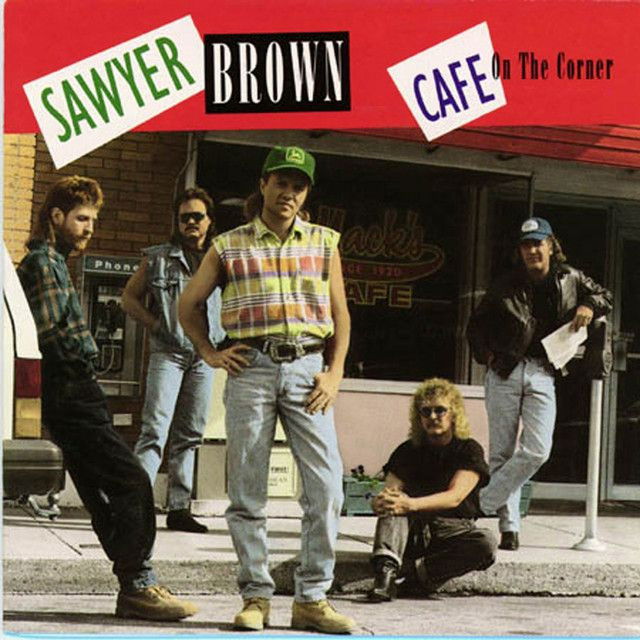
Released by Sawyer Brown on Cafe on the Corner in 1992, the song was written by Mac McAnally and became one of the group's biggest hits, reaching No. 3 on Billboard's Hot Country Singles & Tracks chart. Factually, it was released as the album's second single, and Sawyer Brown's version was produced by Mark Miller and Randy Scruggs. Those details matter because the record sits right in the early-1990s country tradition of story songs that sound plainspoken but cut deep.
A Marriage Crisis Told in One Scene
At the most basic level, the song is about a wife being caught in an affair and a husband confronting what that means. The opening paints her as someone who wants both excitement and safety. She wants stability at home, but also something outside it.
Then the husband walks in, and the song turns sharply inward. His first response is not rage or revenge. It is exhaustion. When he says All these years
, the phrase does more than mark time. It carries the weight of habits, duties, and emotional distance built over a long marriage.
That is why the chorus matters so much. He describes a life that has become a loop of work and home, and the song suggests that routine has kept him physically present but emotionally absent. In simple terms, he stayed, provided, and showed up, but that may not have been enough.

Watch the official All These Years
music video
The Chorus Turns Blame Into Self-Examination
A weaker song would make one person the villain and the other the victim. This one does something harder. It lets both spouses speak, and both reveal damage.
The husband's side is full of bruised pride, but also confession. He insists I'm still here
, which sounds loyal on the surface. Yet it also hints at a man who believes endurance alone should count as love. He even admits he has been wrong, though he does not fully explain how.
Interpretation: this is why the song still resonates. It is not just about cheating. It is about the slow failure to really see each other. The affair is the event, but the real subject is erosion.
Her Reply Changes the Whole Meaning
When the wife answers, the song opens up. She tells him he is not who he used to be, and he fires back that the other man is no better. That exchange is sharp, but it also exposes something sad: both of them are comparing the marriage to old versions of themselves that no longer exist.
Her most revealing moment is when she points to what she has built in the family. She has made meals, raised children, and held up the household. In paraphrase, she is saying that her life has been an act of service, even if she has also made a terrible choice.
What have I done
I made your supper
your daughter and your son
That brief passage is devastating because it mixes guilt with self-defense. She is not excusing herself. She is measuring one betrayal against years of care, labor, and identity.
Why the Title Hits So Hard
The title phrase keeps returning because it works in two directions. On one hand, All these years
means time invested. On the other, it means time lost.
That double meaning is the key to the meaning of All These Years Sawyer Brown. They are not only asking what happened tonight. They are asking what happened to them across a whole marriage.
The final lines deepen that feeling. The song ends in confusion rather than clean resolution. Nobody wins the argument. Nobody gives a grand speech. Instead, there is a late understanding of what could be lost if the relationship breaks for good.
How Sawyer Brown's Sound Supports the Story
Musically, the song is restrained. It is often described as a country ballad, and that fits. The arrangement gives the story room to breathe instead of pushing it with big drama.
The production leans on acoustic textures and a steady, unhurried pulse. That choice matters. A louder or slicker recording might have made the song feel melodramatic. Here, the calm sound lets the emotional discomfort stand on its own.
Mark Miller's vocal also helps. He sings the lines with weariness rather than explosive anger. That makes the husband sound like someone whose hurt has been building for years. The performance suggests not a sudden collapse, but a marriage that has been thinning out silently.
Artist Context and Reception
Sawyer Brown built much of their career on energetic country hits, so a serious song like this stood out. Its chart success shows that listeners responded to that emotional honesty. According to Billboard, reviewer Larry Flick called it a dreary breakup song but praised it as effective, adding that it felt like a meeting of the minds
. That is a smart summary.
Mac McAnally recorded the song first on Live and Learn, but Sawyer Brown helped turn it into a wider country hit. Their version sharpened the song's dramatic dialogue and made its domestic setting feel immediate and relatable for radio audiences.
A Final Reading of the Song's Message
Interpretation: the song's deepest message is that commitment without attention can become its own kind of absence. The husband stayed. The wife served. Both can claim years of effort. Yet both seem to realize, too late, that simply occupying roles is not the same as nurturing a relationship.
That is why the song feels mature. It does not deny betrayal, but it also refuses easy moral scoring. It shows marriage as a long record of choices, silences, duties, and missed chances.
For many listeners, that is the lasting power of the meaning of All These Years Sawyer Brown: it treats heartbreak not as one bad night, but as the painful sum of many ordinary days.
Disclaimer: This interpretation is based on the recorded lyrics, performance, and publicly available song history. As with any song, listeners may hear different meanings in it.








