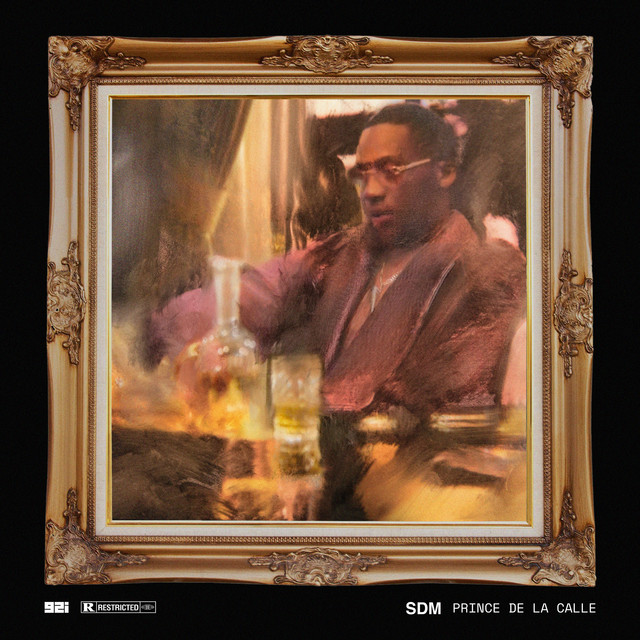
Prince de la Calle by SDM
The meaning of Prince de la Calle SDM starts with a simple idea: survival has become identity. In this track, SDM presents a narrator shaped by the street economy, public reputation, and constant danger. The song sounds proud on the surface, but it also hints at emotional numbness and a life that gives status while taking away peace.
"Prince de la Calle" - SDM
Pa-la-la-la, la-la-la-la
Pa-la-la-la, la-la-la-la
Loading lyrics...
Unable to load lyrics
We're unable to display the lyrics at this time. Please try again later.
SDM, a French rapper of Congolese descent, is known for a deep, forceful delivery and trap-centered sound, as outlined in this artist profile. That matters here, because the performance style is part of the message. They do not just tell a hard story; they sound hardened by it.
A Street Crown With a Heavy Price
At the center of the song is the title image: the narrator as a street prince. That is not a royal fantasy. It is a claim of rank earned through risk, money moves, and local recognition. When SDM repeats Prince de la calle
, they frame the character as someone who rules a limited world, not because life is glamorous, but because they have learned how to survive it.
The first verse quickly builds that world. The narrator says they do not want to die there, while also admitting everyone around them wants to rise fast, symbolized by moving from cheap hustle to luxury cars. In plain terms, the song links ambition to desperation. Success is not shown as a dream job or stable future. It is shown as escape.

Watch the official Prince de la Calle
music video
What the Verses Reveal
The lyrics connect three things over and over:
- public respect
- illegal hustle
- emotional emptiness
That third point is what gives the song depth. One of its most revealing lines is Mon cœur est vide
. They pair that feeling with weapon imagery, suggesting that inside the character there is very little softness left. The song does not ask the listener to admire that emptiness. It presents it as the cost of living this way.
Another key phrase is J'veux million d'euros
. On one level, it is a blunt statement of greed or ambition. On another, it shows how money becomes the only visible proof that the struggle meant something. The song even contrasts that desire with visibility and fame, hinting that millions of views are not the same as real security.
The Hook Turns Bragging Into Warning
The chorus is catchy, but its meaning is darker than it first seems. The repeated idea that tout l'monde nous connaît
sounds like triumph: everyone knows them, everyone respects them. Yet being known in this context also means being watched, targeted, and trapped in a role.
That is why the hook works so well. It celebrates reputation while exposing its burden. If they are famous in the neighborhood for violence and business, then they can never really relax. Their name becomes both armor and prison.
Prince de la calle
tout l'monde nous connaît
These two short lines sum up the whole track: power through recognition, but no freedom beyond it.
Violence as Daily Language
A major part of the meaning of Prince de la Calle SDM is how casually the song treats threats, weapons, and retaliation. The narrator talks as if force is normal problem-solving. That casual tone is important. It suggests a place where danger is not dramatic anymore; it is routine.
Interpretation: The song is not only glorifying violence. It also shows how violence becomes ordinary in an environment where legal or emotional options feel far away. When the narrator speaks about fixing problems with force, they sound less like a movie villain and more like someone stuck in a harsh system of rules.
There is also a moral bluntness in the way relationships are described. The street is compared to an unfaithful lover, meaning loyalty to it is always risky. That image suggests betrayal is built into the lifestyle. Even when the narrator claims the street, the song admits it never truly belongs to anyone.
Why the Sound Matters
Musically, the track uses modern French trap cues: a heavy low end, sparse melody, and a beat that leaves room for SDM's voice to hit hard. The production tag and chant-like intro create a ritual feeling before the verses begin. That matters because the song is about status, code, and repetition. The beat feels like a loop, just like the life being described.
SDM's vocal tone carries much of the meaning. According to the overview of his work on Ocho, his 2021 debut album helped establish his aggressive yet melodic approach. In this song, that mix is key. They sound cold and direct in the violent lines, but still rhythmic enough to make the hook memorable. The result is unsettling on purpose: the song makes danger sound catchy because that is how this world sells itself.
Artist Context Sharpens the Reading
SDM came up in French rap with a style tied to trap, gangsta rap, and street realism. Public biographies note that they grew up around strong musical influences but also a difficult environment. That does not prove every lyric is autobiographical, but it helps explain why their music often balances toughness with flashes of vulnerability.
Here, that balance shows up in the contrast between dominance and emptiness. The narrator wants money, recognition, and motion. But they never describe peace, love, or safety as reachable. Even desire sounds mechanical.
Final Take on the Song's Meaning
The meaning of Prince de la Calle SDM is not just that street power brings money and respect. It is that this kind of power is unstable, emotionally draining, and tied to constant risk. The song presents the street prince as someone visible and feared, yet inwardly hollow.
Interpretation: Listeners can hear the track as both a flex and a warning. Its energy celebrates survival, but its details show how survival can shrink a person into appetite, reputation, and defense.
That tension is what gives the song its force. It sounds like victory, while quietly asking what kind of victory this really is.
Disclaimer: This article offers an informed interpretation of the song based on its lyrics, sound, and publicly available artist context. Meaning can vary from listener to listener.








