Why "Z71" Turns a Truck Into Identity
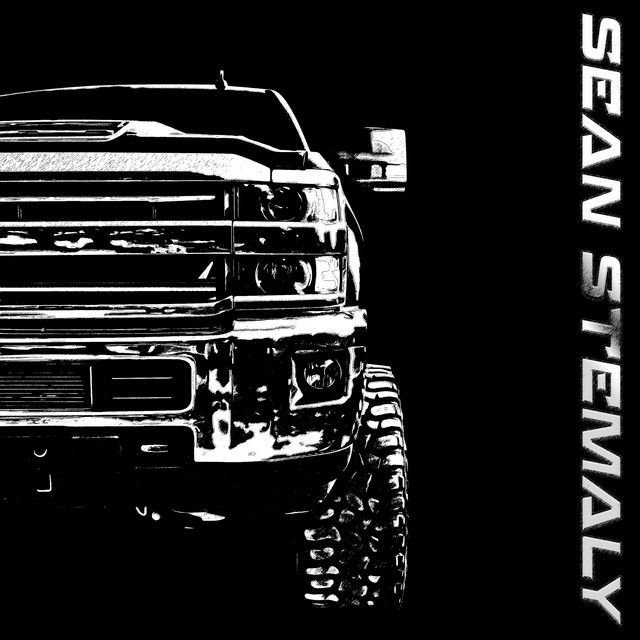
The meaning of Z71 Sean Stemaly starts with a truck, but it does not end there. On the surface, this is a hard-driving country song about a lifted Chevrolet, diesel power, and the pleasure of opening up the throttle on a back road.
"Z71" - Sean Stemaly
Got the windows cracked blowing back that homegrown smoke
Twin turbos talking over Alice in Chains
Loading lyrics...
Unable to load lyrics
We're unable to display the lyrics at this time. Please try again later.
Under that surface, though, Sean Stemaly turns the truck into a symbol of identity. The song is about how a machine can hold pride, place, freedom, and personality all at once. Rather than telling a love story or heartbreak story, they center the feeling of being fully themselves behind the wheel.
More Than a Pickup, More Than a Flex
Factually, the song was written by Andrew Paul Albert, Brett Tyler, and Sean Stemaly, as provided in the song credits shared here. That matters because the lyric feels built by writers who understand modern country's love for detail: model names, engine talk, paint, mud, and brand loyalty.
The narrator does not describe the truck in vague terms. They pile up specifics like no name road
, fresh coat of mud
, and Duramax Chevrolet
. Those details make the song feel lived-in, not generic.
Interpretation: all those brand and performance references are doing emotional work. They show that the truck is not only expensive or powerful. It is proof of taste, labor, and belonging in a certain rural world.

Watch the official Z71
music video
The Real Engine of the Song
At its core, the song is about the rush of power. The repeated image of six hundred horses
turns horsepower into a kind of wild energy. The singer is not just driving. They are chasing a feeling.
That feeling is close to intoxication, even before the lyric makes that connection directly. When the song says Make a country boy get high
, it suggests the machine itself creates the buzz. Speed, noise, smoke, torque, and movement become their own altered state.
This is why the truck matters so much. It gives the narrator a sense of command and escape. The road is unnamed, the destination barely matters, and the point is the experience of motion itself.
How the Verses Build a Rural Self-Portrait
Each verse adds another piece to the narrator's self-image. They are out on a back road, windows down, music up, with mud on the paint and confidence in the engine. Even the mention of Alice in Chains helps. It broadens the character from a simple country stereotype into someone whose soundtrack mixes country culture with heavier rock attitude.
There is also a quiet class and work ethic message in the line about the truck being barely worn out after heavy mileage. The song admires durability. A vehicle with many miles that is still strong reflects a worldview that respects toughness and staying power.
Why the farm-color comparison matters
One of the smartest lyrical moves is the comparison to tractor colors. The song says the truck is not farm-equipment green or red, then claims it can still dominate in a pulling contest. Paraphrased, the line puts the pickup in conversation with older rural symbols of labor.
Interpretation: this suggests a modern version of country identity. The truck replaces the tractor as the central badge of pride. It still belongs to the same world of work and horsepower, but now it is also about style and recreation.
The Chorus Sells Freedom Through Sound
The chorus is simple and effective because it keeps returning to motion, volume, and visibility. People will hear the truck coming. The driver will keep going until the warning light comes on. And the repeated model name becomes almost like a chant.
Gonna ride until it lights up the fuel lightUp in that ... Z71
Paraphrased, the hook says they will keep driving until they nearly run out of road or gas. That is a classic freedom image in country music, but here it is framed through diesel muscle instead of open-sky poetry.
Why the Production Matters
Even without official production credits provided here, the writing points clearly toward a modern country arrangement with rock edges: heavy drums, thick low end, loud guitars, and a vocal designed to cut through engine-sized instrumentation. The lyric's references to twin turbos and diesel torque invite a sound that feels boosted, compressed, and aggressive.
Interpretation: the production likely mirrors the truck's personality. Big drums act like the engine block. Electric guitars mimic grind and momentum. The steady, pounding rhythm feels like tires eating up distance.
This is important for the meaning of Z71 Sean Stemaly because the song's message is not only in the words. Its likely sonic shape sells physicality. They want listeners to feel the machine as much as picture it.
A Celebration With Limits
The song is not especially complicated, and that is part of its appeal. It is straightforward, proud, and built for immediate impact. Still, there is a small tension inside it.
The truck gives the narrator freedom, but that freedom is tied to fuel, machine performance, and constant motion. In that way, the song captures a very modern form of escape: expensive, loud, mechanical, and deeply personal.
Final Take on the Song's Meaning
The best way to understand "Z71" is as a truck anthem that doubles as a self-portrait. Sean Stemaly and his co-writers use engine talk, mud, mileage, and brand detail to show a person who knows exactly who they are when they are driving.
For listeners asking about the meaning of Z71 Sean Stemaly, the answer is simple but strong: it is about horsepower as identity, and about freedom felt through steel, sound, and speed.
Disclaimer: This interpretation is based on the lyrics provided and publicly available song-credit context. Meaning in music can remain subjective, and different listeners may hear the song differently.








