Why 'Can't Be Saved' Still Hits Hard
Senses Fail's "Can't Be Saved" remains one of the band's most recognizable songs because it turns inner collapse into something sharp, catchy, and painfully clear. For anyone searching for the meaning of Can't Be Saved Senses Fail, the song is less about one event than about a cycle: knowing better, wanting better, and still falling back into numb habits.
"Can't Be Saved" - Senses Fail
I know I got it tattooed for a reason, why can't I just hold it true?
'Cause I'm still crashing all the funerals
Loading lyrics...
Unable to load lyrics
We're unable to display the lyrics at this time. Please try again later.
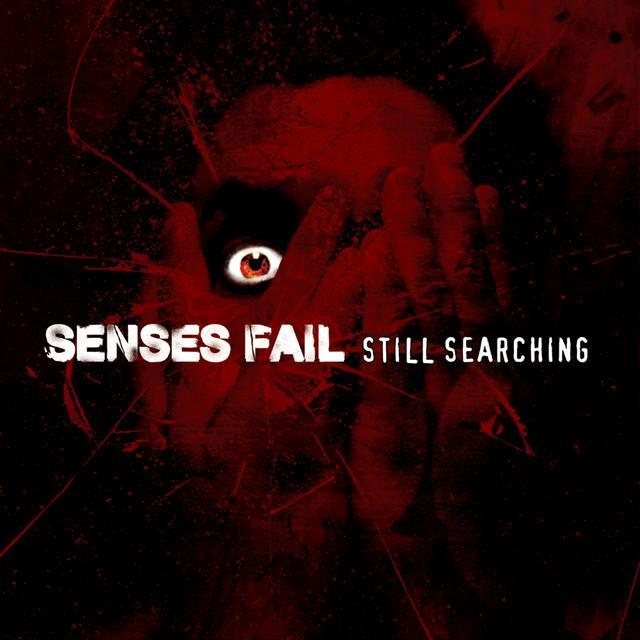
Released as the second single from Still Searching in 2007, the track helped define a key era for the New Jersey band. It was produced by Brian McTernan and later earned RIAA Gold certification, a sign of how widely its message connected.
A Song About Knowing the Truth but Missing It
At its core, the song captures the gap between self-help language and real emotional change. Early on, the speaker points to the tattooed phrase Follow your bliss
. They know it is supposed to mean something lasting, but they cannot make that advice stick.
That tension drives the whole song. The words on the body suggest purpose, but the behavior suggests drift, grief, and compulsive self-sabotage. Instead of moving toward peace, they linger around loss, guilt, and scenes of damage they do not even fully own.
Interpretation: the song argues that insight alone is not healing. A person can understand the slogan, wear the slogan, even believe the slogan, and still feel spiritually stuck.
Watch the official Can't Be Saved
music video
The "Coma" Image Says Everything
The most important metaphor is the repeated idea of being stuck in a coma
. The song does not sound like it is describing a literal hospital state. It sounds like emotional paralysis.
The speaker feels sedated inside their own life. They move through darkness, shut doors, and listen to what the night brings back to them. Then comes the fear that they may wake up and realize they made up everything
or later gave up everything
. That shift matters.
At first, the crisis is about false reality. By the end, it becomes personal responsibility. The song moves from confusion to self-accusation.
Escapism, Alcohol, and the Myth of Relief
One of the song's clearest targets is chemical escape. The verse that mentions a drink order is not glamorous. It reads like a ritual of avoidance.
The idea is simple: pour something strong, chase a quick feeling, and call it happiness. But the song undercuts that move immediately. It treats intoxication as performance, not cure.
This is where the title's emotional force comes in. When the refrain circles back to I won't be saved
, it sounds defeated, but also honest. They are no longer pretending that alcohol, nightlife, or dramatic gestures can rescue them.
Images of Wealth and Wreckage
The lyrics also use striking symbols to show how fragile false comfort can be. Gold chandeliers suggest luxury, elegance, and maybe a glamorous way to self-destruct. But that image quickly collapses into shipwreck language and a shallow grave.
That movement from glitter to ruin is important. The song strips away the fantasy that pain looks beautiful when dressed up. It does not.
We cannot hang ourselves from gold chandeliers
And drink goodbye to all the pain and fears
That short passage is the song's blunt thesis. It says suffering cannot be made noble through wealth, style, or intoxication.
How the Sound Supports the Meaning
Musically, "Can't Be Saved" works because its clean, fast structure creates tension with the despair in the lyrics. The guitars push forward with a bright, urgent attack while the drums keep the song moving rather than sinking into a ballad-like slump.
That matters for meaning. The arrangement sounds alive even as the speaker feels emotionally asleep. This contrast gives the track its edge: the body is moving, but the mind is trapped.
Buddy Nielsen's vocal delivery also helps. He does not sound detached. He sounds strained, direct, and aware of his own contradictions. That keeps the song from becoming abstract. It feels like a confession shouted over momentum.
Context Around Senses Fail and Still Searching
Factually, "Can't Be Saved" was released on February 26, 2007, as a single from Still Searching and credits James "Buddy" Nielsen and the band as songwriters, with Brian McTernan producing, according to Wikipedia's summary of the release. The song also reached broader pop-culture visibility through Guitar Hero III: Legends of Rock, which helped introduce it to listeners outside the core emo audience.
That crossover matters because the song's themes are bigger than scene labels. Yes, it sits in the mid-2000s emo/post-hardcore world. But the emotional problem it describes, trying to outdrink, outrun, or out-style inner pain, is universal.
A Note on the Music Video
The official video adds another layer. As summarized in the same source, it follows a student-athlete dealing with school pressure, social expectations, and a same-sex attraction he cannot openly own at first.
Interpretation: while the video's plot is not identical to the lyrics, it fits the song well. Both are about the cost of hiding, the pressure to perform a version of oneself, and the moment when private truth breaks through public roles.
Why the Song Still Connects
The meaning of Can't Be Saved Senses Fail comes down to brutal self-recognition. The speaker sees that slogans, substances, and appearances are failing them. The song hurts because it does not offer a neat solution.
Instead, it offers clarity. It names the numbness, exposes the escape plan, and refuses to dress up ruin as romance. That honesty is why the track still lands so hard.
Disclaimer: This interpretation is based on the released lyrics, the song's recorded performance, and publicly available release context. Like most songs, it can support more than one valid reading.







