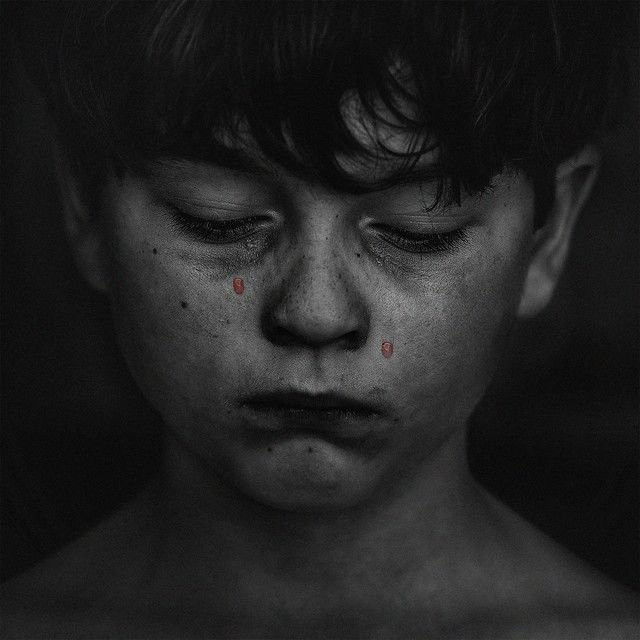
Why Seon’s 'Never Be Alright' Hits So Hard
The meaning of Never Be Alright Seon comes through fast: this is a song about living inside relentless sadness and feeling trapped by it. Rather than dressing that pain up in vague poetry, the track says it plainly. That directness is what makes it so unsettling and, for many listeners, so moving.
"Never Be Alright" - Seon
Life can be lonely and I'm stuck up in these thoughts
Everything I'm wanting I can have it at the top
Loading lyrics...
Unable to load lyrics
We're unable to display the lyrics at this time. Please try again later.
Seon presents a speaker who feels cut off from other people, disappointed in life, and scared that their pain has become permanent. The song is not subtle about crisis. Instead, it documents what it sounds like when someone stops pretending they are fine.
The Song’s Core Pain, Up Front
At its heart, the track is about depression mixed with isolation. The verses describe someone who feels stuck at the bottom even when they can imagine wanting more. Early on, lines about being lost in thought and surrounded by obstacles frame sadness as both mental and physical, as if the world itself has become heavy.
That feeling sharpens when the song asks whether love would even cure the loneliness. This matters because it shows the problem is deeper than simple abandonment. The speaker is not just missing company; they are wrestling with an inner emptiness that may remain even if love arrives.
Interpretation: This is why the title phrase lands so hard. When the chorus circles back to never be alright
, it sounds less like drama and more like a fear the speaker has repeated to themselves many times.

Watch the official Never Be Alright
music video
A Voice That Wants Help but Expects Silence
One of the song’s strongest ideas is the gap between asking for help and believing help will come. The lyrics repeatedly suggest that the speaker has been unseen for a long time. They feel unknown, unheard, and emotionally abandoned.
That becomes clearest when the song moves from private sadness to direct confession. The line please come and save me
is not coded language. It tells the listener that the speaker has moved past quiet suffering and into open desperation.
These are not just lyrics
I'm really not playing
Those two short lines are crucial because they break the usual distance between songwriter and song. The speaker insists this is not just performance. They want the listener to understand that the pain is immediate, not theatrical.
How the Verses Build the Downward Spiral
The structure of the lyrics mirrors a mind spiraling. The first verse begins with loneliness and alienation. Then the second verse raises the stakes by introducing escape fantasies, family separation, substance use, and the hard truth that sobriety can bring buried pain back to the surface.
That progression matters. The song does not treat getting sober as a simple victory lap. Instead, it admits that healing can uncover old wounds. When the speaker says life turned from sunny to rain, the weather image is basic but effective. It captures how quickly relief can collapse.
A few key beats shape the song’s narrative:
- They feel trapped in sadness and isolation.
- They wonder whether love or success would change anything.
- They confess thoughts of disappearance and self-destruction.
- They ask for help but expect people to miss the signs.
- They end where they began: fearing nothing will change.
That circular motion is the point. Depression in the song is not a straight line toward resolution. It is a loop.
The Chorus as a Closed Door
The chorus is simple, repetitive, and brutal. By returning to why, oh why
and then to I just wanna die
, the song strips away explanation and leaves only raw feeling. There is almost no narrative movement here. That lack of movement is what makes it believable.
Interpretation: The hook works because it sounds like obsessive thought. Instead of offering a poetic summary, it recreates a mind stuck on one unbearable conclusion. In pop or rap-adjacent songwriting, repetition often creates a singalong moment. Here, repetition creates emotional claustrophobia.
Images of Cold, Rain, and Falling
The imagery in the song is simple but consistent. The heart is described as cold, the future looks blurry, and the weather shifts from clear to stormy. Together, these images suggest emotional numbness, uncertainty, and loss of control.
Another recurring idea is falling. The speaker is at the bottom, feels life falling apart, and imagines hitting escape only to drop further. That last image adds a spiritual layer. The song briefly touches religion and judgment, not to preach, but to show how guilt and fear can deepen despair.
When the speaker admits the smile on my face
is false, the song adds one more motif: masking. Outward calm hides inward collapse. That image is common in songs about mental health, but here it works because it arrives after repeated examples of not being heard.
How the Sound Likely Carries the Meaning
Based on the lyric style alone, the song likely leans on a sparse, moody production approach. Tracks like this often use slow beats, minor-key melody, and roomy vocal effects to make the voice feel isolated. If Seon performs it with a flat or weary tone, that would deepen the sense of emotional exhaustion rather than turning the song into melodrama.
The writing credits provided here list Brady Ponder and Maxwell David Neal as songwriters. No producer, album, or release date was confirmed in the supplied context, so those details should be treated as unknown.
Why the Song Connects
What makes the meaning of Never Be Alright Seon resonate is its refusal to tidy up pain. The song does not end with recovery, insight, or hope. It stays inside the frightening honesty of someone who feels invisible.
For some listeners, that honesty may feel validating because it names emotions people often hide. For others, it may feel difficult because the song offers so little distance from crisis. Either way, its power comes from clarity.
Final Take
Seon’s song is about more than sadness. It is about the terror of believing sadness is permanent, and the loneliness of feeling unheard while asking for help. Interpretation: The track’s blunt language, repeated hook, and images of cold, rain, and falling all support that reading.
This article offers an interpretation of the song based on the lyrics provided. Meanings can vary by listener, and only the artist can confirm full intent.








