Bodies by Sex Pistols: Shock With a Human Core
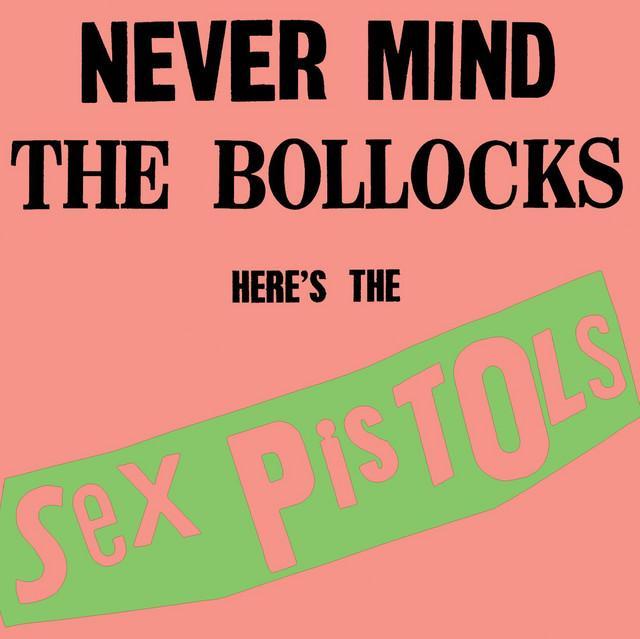
The meaning of Bodies Sex Pistols is not simple, and that is exactly why the song still unsettles people. On the surface, it is one of the harshest tracks on Never Mind the Bollocks, Here's the Sex Pistols, released in 1977. Underneath the noise, though, it is a song about pain, dehumanization, and the moral panic that surrounds abortion.
"Bodies" - Sex Pistols
She just had an abortion
She was a case of insanity
Loading lyrics...
Unable to load lyrics
We're unable to display the lyrics at this time. Please try again later.
The track appears on the band’s only studio album and was recorded at Wessex Sound Studios in August 1977. It was produced by Chris Thomas and Bill Price, and released with the album later that year. Most sources list it as a punk rock song running just over three minutes, but its emotional weight feels much larger than that.
What the Song Is Really Forcing Listeners to Face
At its core, the song presents abortion not as an abstract debate but as an experience soaked in fear, bodily horror, and social collapse. The lyrics tell the story of a troubled woman named Pauline, reportedly based on a real person known to John Lydon. According to accounts gathered by Wikipedia and Songfacts, Pauline was a fan from Birmingham whose disturbing stories stayed with Lydon.
The key emotional move in the song is its refusal to let anyone stay comfortable. The repeated cry I'm not an animal
does more than shock. It pushes the listener toward a basic question: when people talk about bodies, abortion, and pregnancy, who gets treated as fully human?
Interpretation: The song is less a policy statement than a scream against numbness. It attacks the way institutions, stigma, and even language can strip a person down into something less than a person.
Watch the official Bodies
music video
Pauline, Panic, and the Story Inside the Lyrics
The opening verses sketch Pauline as isolated, unstable, and judged. Short details like lived in a tree
make her sound both real and mythic, almost like an urban legend. But the song keeps returning to her body and voice, as if to say that beneath the gossip is suffering.
There is also a deliberate clash between clinical language and raw emotion. Phrases such as not an abortion
and not a discharge
sound like arguments against cold, medical detachment. The lyrics seem to reject any language that turns a traumatic event into a sterile procedure.
Mummy, I'm not an abortion
Body, I'm not an animal
That brief pair of lines captures the song’s central horror. It imagines a voice demanding recognition. Whether listeners hear that voice as a fetus, a mother, a guilty conscience, or society itself depends on their interpretation.
Is "Bodies" Taking a Political Side?
This is where the song gets tricky. Critics have long argued over whether it is anti-abortion. Wikipedia notes that Robert Christgau read it as effectively anti-abortion, anti-woman, and anti-sex. But John Lydon later pushed back on simple labels.
In the 2002 Classic Albums documentary, summarized by Wikipedia, Lydon said the song was neither anti-abortion nor pro-abortion, but a demand that people think seriously about the issue. Songfacts also cites Lydon describing it as about the pain and rage on both sides.
Interpretation: The best way to read the song is as anti-callousness. It does not sound like a campaign song. It sounds like a refusal to let any side reduce a human crisis into a slogan.
How the Music Makes the Meaning Hit Harder
The production matters a lot to the meaning of Bodies Sex Pistols. The song is widely described as one of the band’s fastest and heaviest recordings, with thudding drums, a buzzsaw guitar tone, and shouted vocals. That sound is not just background. It acts like a panic attack.
Steve Jones’ guitar is thick and abrasive, while Paul Cook’s drumming drives everything forward with almost no breathing room. Lydon does not sing with distance or polish. He spits the words out in bursts, making lines like bloody mess
feel less like description and more like psychic damage.
That matters because punk often turns social anger into energy. Here, the energy is claustrophobic. The band is not celebrating chaos. They are trapping the listener inside it.
A Few Important Context Notes
There is some complexity around the credits. The user-supplied writer list names John Simon Beverly, John Lydon, Paul Cook, and Steve Jones. Common published credits from album-era sources, including Wikipedia, credit the song to the band as John Lydon, Steve Jones, Paul Cook, and Sid Vicious, even though band-wide credits did not always reflect who wrote what in a detailed sense.
The recording history is also messy in a very Sex Pistols way. Sources say Sid Vicious recorded bass, but Steve Jones later overdubbed at least part of it. That unstable backstory fits the song itself: fractured, aggressive, and hard to pin down.
Why the Song Still Feels Dangerous
Many punk songs try to offend. "Bodies" does something harder. It creates disgust and then asks what that disgust is really about. Is it abortion? Mental illness? Social neglect? Male rage? All of the above?
That is why the song still gets discussed in the United States and beyond. It touches an issue that remains deeply divisive, but it refuses neat answers. Instead, it gives listeners a scene of damage and makes them sit with it.
Final Take
The meaning of Bodies Sex Pistols lies in its brutal insistence on human stakes. The song uses shock, speed, and ugly imagery to protest emotional numbness. Interpretation: They are not asking listeners to agree on politics so much as asking them not to look away from suffering.
Disclaimer: This article offers a critical interpretation of the song based on available interviews, recordings, and reception history. Meaning can remain subjective, and different listeners may reasonably hear it differently.







