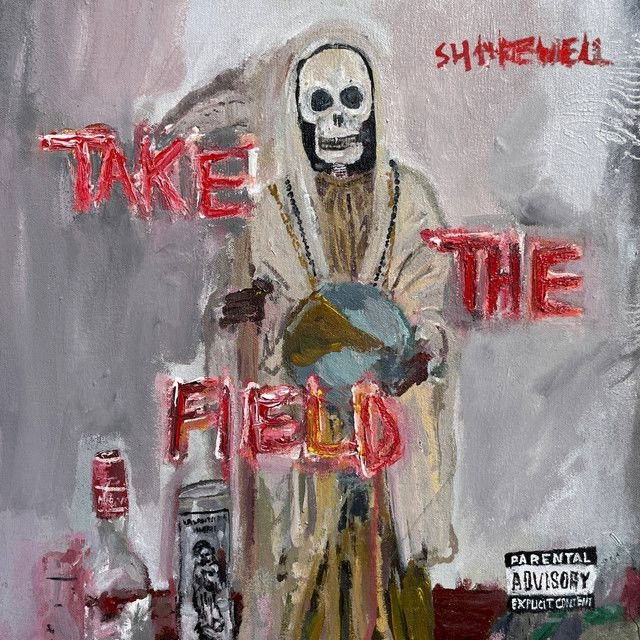
Why Shakewell’s “Take The Field” Feels So Hollow
The meaning of Take The Field Shakewell comes from a sharp contrast: the song sounds like a pure attack record, but its most revealing lines point to emptiness, drug dependence, and a mind under pressure. On the surface, they rap about violence, enemies, and total fearlessness. Under that surface, the track hints that none of that power brings relief.
"Take The Field" - Shakewell
Woken up to a pint of 'Tuss, bitch, I'm born to bust
Dangerous, all my clicky shifty and shiesty as fuck
Loading lyrics...
Unable to load lyrics
We're unable to display the lyrics at this time. Please try again later.
That tension is what gives the song its edge. It is loud, reckless, and threatening, yet it also sounds like someone trying to outrun their own thoughts.
A War Cry With a Cracked Center
At first listen, “Take The Field” plays like a battlefield anthem. The title itself suggests entering combat, claiming space, and refusing weakness. The verses back that up with nonstop threats, weapon imagery, and declarations of dominance.
Still, the song’s core is not just violence. The repeated confession about being off them Benzos
and still asking why they are depressed changes the whole track. That moment reframes the record from simple intimidation into a portrait of self-destruction.
Interpretation: the song is using extreme bravado as armor. They do not only want to scare rivals; they also seem to be drowning out fear, guilt, and emotional collapse.

Watch the official Take The Field
music video
Where the Real Meaning Breaks Through
The clearest insight arrives in the hook. They describe being armed, planted in place, and chemically numb. Then they admit their mother is worried and end with a question about why all the money and substances have not fixed anything.
That is the emotional center of the meaning of Take The Field Shakewell. The song keeps building an image of power, then quietly tears it down. Even after spending wildly and chasing escape, they are still empty.
Mama say that she be worried
why I'm still depressed for?
This is the only moment where the performance slips. The threats stay intense, but the chorus suggests that the speaker knows the lifestyle is not working.
Violence as Identity and Performance
A lot of the verses are built around making danger feel constant. Phrases like I'm ten toes
present them as fully committed, grounded, and ready for conflict. Other lines make violence sound casual, even recreational, which adds to the song’s cold tone.
That matters because the song does not frame aggression as a single event. It frames it as identity. In this world, being feared is part of being real.
Interpretation: Shakewell may be exaggerating for effect, as many rappers do in horror-driven or street-heavy trap. But even if some of the language is theatrical, the emotional logic still lands: they are showing a person who has learned to survive by becoming harder, louder, and more extreme.
Drugs, Money, and the Failure of Escape
Another key theme is chemical escape. The lyrics mention syrup, pills, and nitrous-like imagery, not as glamorous details but as signs of excess without peace. They can spend heavily, stay intoxicated, and keep moving, yet nothing resolves the inner weight.
That is why the depressed question at the end of the hook matters so much. It turns all the flexing into evidence of failure. Money can buy status. It cannot buy calm.
The same pattern appears in the line about needing a substance. They do not describe intoxication as celebration. They describe it as dependency.
How the Sound Supports the Message
Even without extensive public production notes, the song’s style points to a dark trap frame: punishing drums, heavy low end, and a vocal delivery that feels half-snarl, half-spiral. That sonic approach supports the lyrics in two ways.
First, it makes the threats feel immediate. Second, it traps the listener inside the same emotional loop as the speaker. The beat does not open up into reflection or warmth. It stays tense, mechanical, and pressurized.
That matters because the production helps explain why lines like demons talkin' to me
land so hard. The sound gives those words a haunted atmosphere rather than treating them like a throwaway boast.
The Mother Line Changes Everything
One of the smartest details in the song is the brief mention of family concern. A violent rap song can become one-note if every line only raises the threat level. Here, the mother’s worry interrupts that pattern.
Suddenly, the speaker is not just an aggressor. They are also someone being watched by a loved one who sees them unraveling. That small detail adds consequence and makes the song feel sadder than it first appears.
It also grounds the track. Even the wildest imagery becomes more believable when a simple human detail enters the picture.
So What Is “Take The Field” Really Saying?
In plain terms, the meaning of Take The Field Shakewell is about living in attack mode until that mindset becomes a prison. The song presents toughness, weaponry, and intoxication as survival tools, but it also admits those tools are failing.
Interpretation: there are at least two ways to hear it:
- as a pure intimidation anthem built for shock and force
- as a darker self-portrait where violence and drug use cover depression
The second reading feels stronger because the hook keeps returning to the same unresolved pain. That repetition makes the song less about winning and more about being trapped.
Final Take
“Take The Field” is not subtle, but it is more revealing than it first seems. Beneath the threats and chaos, Shakewell sketches a person who has confused hardness with healing and found that neither money nor intoxication can quiet what hurts.
This article offers an interpretation of the song based on its lyrics and musical presentation. Like many rap records, its meaning can shift depending on how each listener hears its mix of performance, persona, and confession.









