
Why Sheryl Crow’s Cover Still Hurts
For many listeners, the meaning of First Cut Is the Deepest Sheryl Crow comes down to one simple idea: the first real heartbreak leaves the longest shadow. Sheryl Crow did not write the song, but their 2003 cover helped bring its message to a new audience with a softer, polished rock-pop sound.
"First Cut Is the Deepest" - Sheryl Crow
But there's someone who's torn it apart
And he's taking just all that I had
Loading lyrics...
Unable to load lyrics
We're unable to display the lyrics at this time. Please try again later.
The song was written by Yusuf Islam, then known as Cat Stevens, in the 1960s, and it became a hit for multiple artists before Crow recorded it as the lead single from The Very Best of Sheryl Crow in 2003. According to chart histories summarized by widely cited reference sources, Crow’s version reached No. 14 on the Billboard Hot 100 and spent 36 weeks there, while also hitting No. 1 on several adult radio formats.
The Heart of the Song
At its core, the song describes someone who wants to move forward after being hurt by a past love. They are not closed off forever, but they are honest about the damage. The opening thought makes that clear: they once would have given everything, but someone already broke that trust.
That is why the title line matters so much. When the singer says the first cut is the deepest
, they are not only talking about pain. They are also talking about memory. The first heartbreak becomes the standard by which all later relationships are measured.
Interpretation: The song suggests that first love feels unique because it arrives before a person has emotional defenses. Later pain may still sting, but the first wound changes how they love.
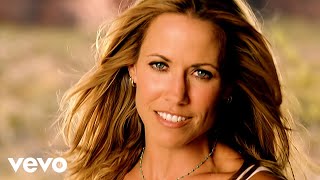
Watch the official First Cut Is the Deepest
music video
Who the Narrator Is Talking To
The narrator appears to be speaking to a new romantic partner, not the person who hurt them. That distinction is important. They are trying to explain why they seem guarded.
Phrases like try to love again
and want you by my side
show a real desire for closeness. At the same time, they need comfort while they heal. This makes the song less about dramatic breakup anger and more about emotional recovery.
A Love Song With a Warning Label
The narrator is not rejecting the new person. In fact, they are asking for patience. They are saying, in effect: someone else caused this damage, but they still want to build something real.
That is what gives the lyric its emotional tension. Hope is present, but it never erases the past.
How the Verses Build the Story
The song moves in a clear emotional sequence:
- The narrator admits they were deeply hurt before.
- They confess they still carry that pain.
- They ask the new person to stay close.
- They promise to make an effort anyway.
A short phrase like dry the tears
shows that the hurt is still active, not fully healed. Then the return to try to love again
turns the song from pure sadness into a statement of courage.
This structure is one reason the song has lasted for decades. It captures a feeling many people know well: wanting a new love while still feeling old damage.
Why the Chorus Lands So Hard
The chorus works because it is both personal and universal. Almost anyone can understand the idea that the first deep disappointment leaves a mark.
The title phrase repeats like a truth the narrator cannot escape. Even as they move toward another relationship, they keep circling back to that old wound. The line about the former lover being he's worse
adds a blunt judgment: the earlier relationship was not just unlucky, but damaging.
Interpretation: The chorus is not only remembering pain. It is explaining why emotional risk now feels heavier than it once did.
What Sheryl Crow Adds to the Meaning
Crow’s version stands out because of its balance. The production is clean and accessible, with acoustic textures, light percussion, and a steady midtempo groove that keeps the song from sounding crushed by grief. Instead, it feels reflective.
That matters. A harsher arrangement might have made the song sound bitter. Crow’s recording makes it sound lived-in and mature, as if the narrator has had enough distance to speak calmly about what happened.
The cover was reportedly inspired by Rod Stewart’s version, but Crow’s performance gives it a different emotional color. Their vocal delivery is warm and controlled, which fits the lyric’s message: this person is wounded, but not destroyed.
Why the Sound Supports the Theme
Several production choices underline the meaning:
- Midtempo pacing suggests restraint rather than panic.
- Bright acoustic-pop textures soften the heartbreak.
- Even vocal phrasing makes the pain sound remembered, not explosive.
- Radio-friendly polish helps the song feel universal and conversational.
Together, these choices frame heartbreak as something carried over time.
Why the Song Connected in 2003
Crow released the track at a moment when adult pop and singer-songwriter radio still rewarded emotional clarity and strong melodies. Because the lyric is direct, listeners did not need a complicated backstory to connect with it.
The song also fits Crow’s public musical persona. They often balanced toughness with vulnerability, and this cover lets both sides show. The narrator is bruised, but they are still open to love.
That balance likely helped the song cross formats, from adult contemporary to pop and even country charts.
Final Take on Its Meaning
So, what is the meaning of First Cut Is the Deepest Sheryl Crow? It is a song about how first heartbreak can shape every love that comes after it, even when someone genuinely wants to begin again. Its power comes from that mix of fear, honesty, and hope.
Sheryl Crow’s version does not turn the song into a breakdown. They turn it into a recovery statement. The wound is still there, but the desire to love survives.
Disclaimer: This interpretation focuses on the song’s lyrics, performance, and release context. Meaning in music can vary from listener to listener.