Sweet Child o' Mine by Sheryl Crow
The meaning of Sweet Child o' Mine Sheryl Crow starts with a key fact: this is not Sheryl Crow’s song in origin, but her cover of the Guns N’ Roses classic. That matters, because Crow changes the feeling of the song without changing its core message. In their version, the lyrics still center on intense love, memory, and emotional fragility. But her performance makes the song feel less explosive and more intimate.
"Sweet Child o' Mine" - Sheryl Crow
And it seems to me
Reminds me of childhood memories
Loading lyrics...
Unable to load lyrics
We're unable to display the lyrics at this time. Please try again later.
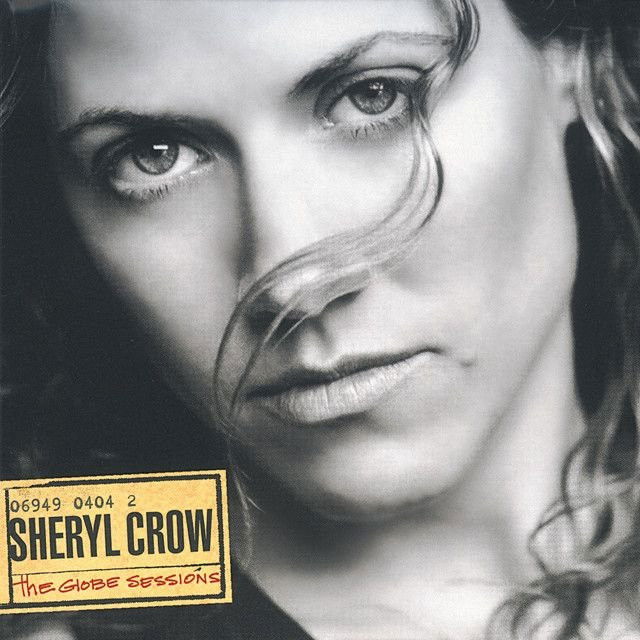
Released in 1999 for the Big Daddy soundtrack and later added as a bonus track to The Globe Sessions, Crow’s take was produced by Rick Rubin and Crow herself, according to Wikipedia. It also earned Crow a Grammy for Best Female Rock Vocal Performance, even though the cover drew mixed and often negative reviews.
A Love Song Recast as Reflection
At its heart, the song is about seeing someone and feeling pulled back into an earlier, purer emotional world. The speaker looks at a loved one and is overwhelmed by recognition, tenderness, and fear of loss. The famous opening image of a smile that brings back childhood memories sets the tone right away.
The lyrics link romance with innocence. When the singer notices features like a smile, eyes, and hair, they do more than describe appearance. They connect that person to safety, comfort, and a time before adult disappointment. Phrases like childhood memories
and bright blue sky
point to freshness and emotional clarity.
Interpretation: In Crow’s version, that longing feels stronger than the desire itself. Her calmer delivery suggests that the speaker is not only in love; they are also aware that love can reopen old feelings that are almost too powerful to hold.

Watch the official Sweet Child o' Mine
music video
How the Images Build the Song’s Meaning
The song’s first verse is full of warm recollection. The loved one’s face becomes a trigger for memory, and that memory is not casual. It sends the speaker to a special place
, somewhere emotional and almost sacred. The line about possibly breaking down and crying shows that joy and pain are very close together here.
That is one of the song’s most important ideas: beauty can hurt because it reminds people of what they once had, what they wanted, or what they fear losing.
In the second verse, the imagery becomes more layered. The eyes are described through weather, with bluest skies
but also the threat of rain. That contrast matters. The loved one is beautiful, but the speaker cannot bear the thought of seeing pain there.
warm safe place
pray for the thunder
rain
pass me by
This short passage ties the song’s romance to childhood shelter. The person being loved seems to represent protection from chaos. The weather images suggest fear, but also the hope that fear can be survived.
Why Sheryl Crow’s Arrangement Changes the Story
Crow’s version turns a hard-rock anthem into something closer to Americana and country, a shift noted in coverage of the single and soundtrack release. The original Guns N’ Roses recording is driven by Slash’s huge riff and soaring dynamics. Crow softens that attack. Her version is lighter, more roots-based, and less aggressive.
That production choice changes how listeners hear the words. In the original, the song can feel like a giant declaration. In Crow’s hands, it feels like someone thinking out loud. The melody still carries devotion, but the arrangement brings out vulnerability and nostalgia over swagger.
This is why the meaning of Sweet Child o' Mine Sheryl Crow can feel slightly different from the original. Factually, the lyrics remain the same. Interpretation: emotionally, her cover spotlights the song’s tenderness more than its hard-rock force.
Artist Context and Why the Cover Matters
By 1999, Crow was already known for blending rock, pop, folk, and country colors in ways that felt accessible but smart. Covering this song for Big Daddy made sense because she had a gift for taking familiar material and making it sound lived-in. The soundtrack placement also mattered: film soundtracks often reframe songs by attaching them to different emotional settings.
Crow even performed the song at Woodstock ’99, and her version had moderate chart success in several countries, while the original remained the more culturally dominant recording. The original song itself was a massive hit from Appetite for Destruction, reaching No. 1 on the Billboard Hot 100 and becoming one of Guns N’ Roses’ signature songs, as detailed in the song history.
The mixed reception to Crow’s cover is also part of its story. Some listeners felt her version stripped away the power that made the original iconic. Others heard something new: a song about love that could also sound wistful, earthy, and exposed.
The Ending Question Changes Everything
The repeated closing line, Where do we go now
, is simple but crucial. It interrupts the dreamlike praise of the earlier verses. After all the sweetness and memory, the song admits uncertainty.
Interpretation: That question may reflect the fear hidden inside deep love. When someone means this much, the future becomes scary. The song starts in admiration but ends in doubt, as if devotion alone cannot answer what comes next.
That tension is what gives the song lasting depth. It is not just about saying someone is beautiful. It is about how love awakens memory, safety, longing, and worry all at once.
Final Take on the Song’s Heart
So, what is the meaning of Sweet Child o' Mine Sheryl Crow? In simple terms, it is about a loved one whose presence brings back innocence, comfort, and overwhelming emotion. Crow’s cover keeps that message, but her softer sound brings out the ache inside it.
The result is a version that feels less triumphant and more human. It reminds listeners that love is not only joy; it is also memory, fear, and the wish that the storm will somehow pass.
Disclaimer: This interpretation is based on the lyrics, recording context, and public sources. As with any song, listeners may hear meanings that differ from the artist’s intent.








