Why 'Cheat Codes for Hoes' Is Pure Shock Rap
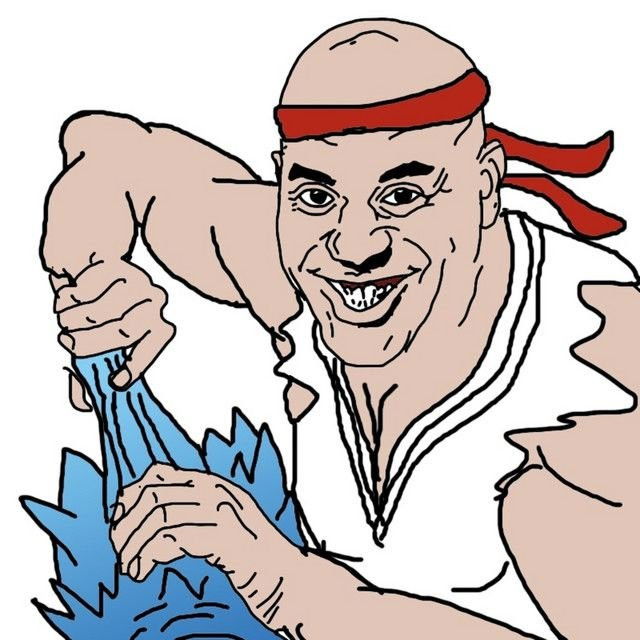
The meaning of Cheat Codes for Hoes Shotgun Willy, TRAQULA is less about love or even seduction than about performance. The song presents a wild, rude, and deeply exaggerated character who treats sex, money, and social clout like parts of a video game. It is built to shock, amuse, and overwhelm.
"Cheat Codes for Hoes" - Shotgun Willy, TRAQULA
Make him the cutest that I've ever seen (bum, bum, bum, bum)
Give him two lips like roses and clover (bum, bum, bum, bum)
Loading lyrics...
Unable to load lyrics
We're unable to display the lyrics at this time. Please try again later.
That matters because listeners can mistake this kind of song for a straight confession. But the lyrics are so extreme that they work better as parody. They stack crude jokes, pop-culture references, and absurd boasts until the speaker feels more like a comic-book villain of internet rap than a real person sharing honest feelings.
The Core Joke Hiding in Plain Sight
At the most basic level, the track is about fake mastery. The title promises “cheat codes,” as if there is a secret system for getting sex, status, or control. Instead, the song gives a stream of ridiculous flexes and offensive punchlines. That gap is the joke.
The opening makes this clear fast. It twists the old-fashioned sweetness of Mr. Sandman
into something vulgar. That move tells listeners what kind of world they are entering: one where innocence gets flipped into crude comedy almost instantly.
Interpretation: the song is mocking the idea of smooth masculinity. Rather than sounding cool in a classic way, the narrator sounds chaotic, childish, and performative. Their “confidence” is so oversized that it starts to expose itself as nonsense.
Watch the official Cheat Codes for Hoes
music video
A Persona Built From Memes and Noise
Shotgun Willy’s internet-era style often leans on comedy rap, character work, and absurdity, and this song fits that lane. Even without outside explanation, the lyrics show a persona made from stacked references: fighting games, old phones, TV, drug slang, and random brand-like details.
Lines such as like I'm Ryu
and no controller
turn the speaker’s bragging into game language. They are not just talking about control; they are acting like life itself is a set of buttons to mash. That idea connects directly to the title.
This is why the song feels less like storytelling and more like a series of “bits.” One image crashes into another. A flex about money becomes a sex joke, then a gaming joke, then a gross-out line. The style is intentionally unstable.
What the Hook Really Adds
The chorus is the song’s bluntest section, but its meaning comes from repetition more than depth. The phrases left, right, left, right
and run it up
make the hook feel like both a fight sequence and a command loop.
That matters because the song keeps reducing intimacy into competition, domination, and scoring points. The hook sounds like button inputs from an arcade game, not a human relationship. It strips away tenderness on purpose.
Interpretation: this is where the satire lands hardest. The speaker does not sound powerful in an adult sense. They sound trapped inside a childish fantasy where every interaction becomes either a fight, a flex, or a transaction.
Sex, Money, and Status as Disposable Props
Much of the song’s content is intentionally ugly. Women are treated as objects, money is shown as a flashy prop, and social power gets measured in shallow ways. The line about having cash and turning it into jewelry, ending with on my wrist
, is a simple example of that mindset.
Nothing in the song suggests real connection. Even when the lyrics briefly hint at romance or commitment, the idea is undercut by a joke almost immediately. The track keeps choosing mockery over sincerity.
That is why the song can feel both funny and exhausting. It is not trying to reveal emotional truth in the usual way. It is trying to show a grotesque version of appetite with no limit and no depth.
How the Sound Carries the Meaning
Production-wise, the track supports its message through force and repetition. The beat is designed to hit hard and leave space for punchlines. The vocal delivery is clipped, loud, and rhythmic, almost like each bar is trying to outdo the last one.
The repeated ad-libs and chant-like hook make the song feel closer to a meme anthem than a confessional rap record. That is important for the meaning of Cheat Codes for Hoes Shotgun Willy, TRAQULA, because the instrumental does not soften the lyrics or invite reflection. It pushes the listener forward at full speed.
The result is a kind of sensory overload. The production helps the song feel intentionally excessive, which supports the reading that this is shock rap first and character study second.
Is There Any Deeper Meaning?
There are two useful ways to read the song.
Reading One: It Is Straight Comedy
In this view, the track is mainly a joke record. Its mission is to be outrageous, quotable, and impossible to ignore. The offensive lines are there for shock value, and the song’s success depends on whether a listener finds that style funny.
Reading Two: It Satirizes Empty Brag Rap
A second reading is more interesting. The song may be exaggerating familiar rap themes—sex, drugs, money, dominance—until they become absurd. By turning every boast into a cartoon, it exposes how repetitive and silly those poses can be.
Both readings can be true at once. Comedy songs often work because they mimic a real style closely enough to poke at it from inside.
Final Take on the Song’s Meaning
So, what is the meaning of Cheat Codes for Hoes Shotgun Willy, TRAQULA? It is a loud, crude parody of control and coolness. The song imagines a narrator who thinks life can be hacked through swagger, sex, and flexing, but the sheer absurdity of their voice makes that fantasy look hollow.
Listeners do not have to approve of the lyrics to understand the effect. The track’s real subject is not romance at all. It is the spectacle of acting powerful in a world shaped by memes, bravado, and shock humor.
Disclaimer: This interpretation is based on the lyrics, performance style, and sonic choices available in the song. As with any art, other listeners may hear different meanings.








