Why 'Way We Used 2' Hits Like a Memory Loop
The heart of the song in one glance
The meaning of Way We Used 2 Showtek, Sultan + Shepard comes down to a very simple but emotional wish: they want a damaged relationship to feel warm again. The speaker is not trying to win an argument. They are trying to get back to a time when love felt easy, safe, and natural.
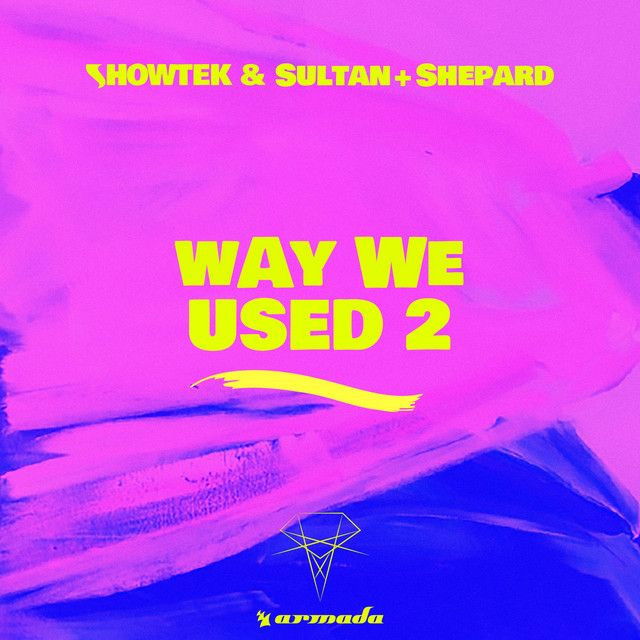
"Way We Used 2" - Showtek, Sultan + Shepard
Got nothing to prove
I just wanna feel the way we used 2
Loading lyrics...
Unable to load lyrics
We're unable to display the lyrics at this time. Please try again later.
That is why the lyric keeps returning to ideas like I don't wanna fight
and Let's make it right
. Those phrases are plainspoken, but that is part of the song's power. Instead of using lots of details, it focuses on one feeling many listeners know well: missing the version of a relationship that existed before tension took over.

Watch the official Way We Used 2
music video
A dance song about repair, not escape
On the surface, this is a sleek electronic single built for release and repetition. But emotionally, it is not about partying or forgetting pain. It is about staying with the pain long enough to ask for repair.
The key line is feel the way we used 2
. Paraphrased, the speaker is not asking for a perfect future. They are asking to recover a lost emotional connection. That gives the track a nostalgic pull. The title's text-style "2" also makes the phrase feel modern and casual, which fits EDM's pop-facing style while keeping the message immediate.
Who is speaking, and what do they want?
The song uses a first-person voice, but the feeling is broad enough that many listeners can step into it. They hear someone talking directly to a partner after conflict. The speaker admits strain without listing every problem.
That matters because the song is less about blame than about desire. When they say Got nothing to prove
, they are giving up ego. In plain terms, they would rather restore closeness than keep score.
The emotional timeline
The song's short lyric set creates a clear sequence:
- There has been conflict.
- The speaker rejects more fighting.
- They ask for mutual repair.
- They repeat the wish to recover the old feeling.
Because the writing is so compressed, the chorus does most of the storytelling. The repetition does not add new facts, but it deepens the ache.
Why the repetition matters so much
Many pop and dance songs use repetition for catchiness. Here, repetition also mirrors obsession. When a person cannot stop replaying better days in their head, memory starts to loop.
The hook keeps circling back to the same emotional point, almost like a thought they cannot drop. In that way, the production and lyric idea become one. The song does not just describe longing; it behaves like longing.
I just wanna feel
the way we used 2
Those two short lines carry the whole song's emotional logic. They reduce love to sensation rather than explanation. The speaker does not ask for a speech, an apology, or a grand promise. They ask for a feeling to return.
How Showtek and Sultan + Shepard shape the meaning
This collaboration works because both acts bring useful history to the track. Showtek came up through Dutch dance music and became known for high-impact festival energy. Sultan + Shepard, the Canadian duo of Ossama Al Sarraf and Ned Shepard, have built a strong name in melodic and progressive house, as noted in their artist history. Together, they can balance force and feeling.
That balance is crucial here. Rather than turning heartbreak into a huge dramatic breakdown, the song leans into uplift. The beat gives the words motion, as if the speaker is trying to move forward even while looking back.
Factually, “Way We Used 2” was released in 2019 as a non-album single and followed earlier work between these artists, including their collaboration history. That context helps the song make sense sonically: it sits between radio-friendly dance pop and melodic house, with a clean, emotional hook designed to connect quickly.
What the sound says that the lyrics do not
Because the lyrics are spare, the arrangement carries extra meaning. The vocal is direct and uncluttered, which keeps the plea intimate. Around it, the synths and rhythmic pulse create lift instead of heaviness.
That choice changes how the song feels. A ballad version might sound defeated. This version sounds hopeful. Even though the speaker is clearly hurting, the music suggests they still believe repair is possible.
Production as emotional design
A few features stand out:
- The repeated hook acts like a memory flash.
- The steady beat suggests persistence.
- The polished synth layers add warmth instead of chaos.
- The drop gives release, like emotion finally leaving the body.
In other words, the production turns a private plea into a communal feeling. Listeners can dance to it, but they can also hear the vulnerability inside it.
Two strong interpretations
Interpretation 1: The most direct reading is romantic reconciliation. The speaker wants to stop arguing and restore intimacy with a partner. The line Between me and you
supports that personal, one-to-one frame.
Interpretation 2: The song can also be heard as nostalgia for any broken bond, including friendship or even a former version of the self. Since the lyrics never name a specific event, listeners can project their own history onto it.
That openness is one reason the track works. It is specific in emotion, but flexible in storyline.
Why the song stays with people
“Way We Used 2” is effective because it knows one emotional truth: people do not only miss other people. They miss atmospheres, habits, and old versions of closeness. This song turns that truth into a simple, repeatable hook.
For anyone searching for the meaning of Way We Used 2 Showtek, Sultan + Shepard, the answer is not hidden in complicated symbolism. It is a song about choosing peace over pride and memory over anger, while hoping love can still be repaired.
That is an interpretation based on the lyrics, sound, and artist context, not an official statement from the artists themselves.









