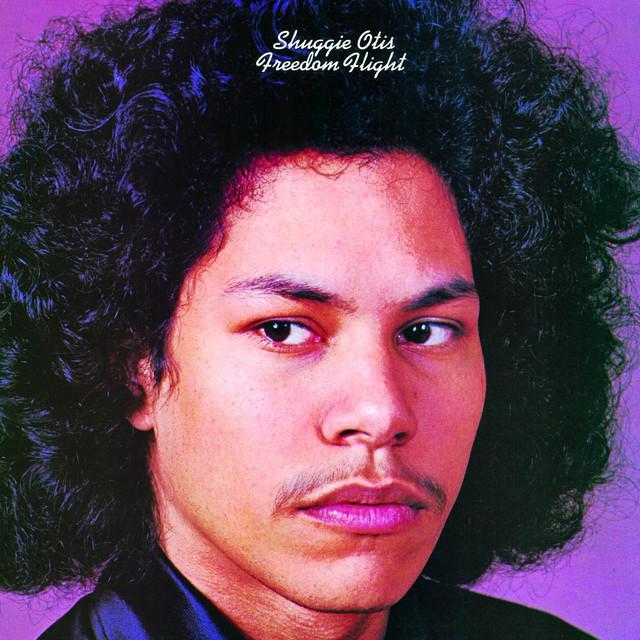
Why 'Sweet Thang' Feels So Simple and So Warm
The meaning of Sweet Thang Shuggie Otis starts with something very direct: affection. This is not a story song with plot twists, heavy symbolism, or long scenes. Instead, it works like a tiny emotional loop. By repeating a pet name and little else, the song turns one feeling into the whole message.
"Sweet Thang" - Shuggie Otis
Oh baby, sweet thang
Oh baby, sweet thang
Loading lyrics...
Unable to load lyrics
We're unable to display the lyrics at this time. Please try again later.
That can sound slight on paper. But in practice, the track shows how soul music can say a lot with very little. Shuggie Otis and Johnny Otis are both credited as writers in the song information provided, which matters because Shuggie grew up inside a musical family world shaped by bandleader, producer, and songwriter Johnny Otis. That larger context helps explain why a short, warm R&B statement can feel complete instead of unfinished.
A Love Song Reduced to Its Purest Form
At its core, the song is a straightforward address to someone cherished. The repeated phrase sweet thang
acts as both title and thesis. Rather than building a detailed portrait of the relationship, the lyric keeps circling back to that term of endearment, as if the speaker has reached the simplest possible way to express love.
Interpretation: this simplicity is the point. The song is less interested in explaining romance than in creating the feeling of being wrapped in it. The repeated oh baby
does not add new information, but it adds tenderness, urgency, and closeness.
Because the lyric is so spare, listeners are invited to fill in the blanks themselves. One person may hear early-stage infatuation. Another may hear settled devotion. The lack of detail makes the song flexible, which is one reason minimal love songs can last.
Watch the official Sweet Thang
music video
Why Repetition Matters More Than Narrative
Many soul songs tell listeners what went wrong, what was lost, or what must be fixed. This one barely narrates at all. Instead, it uses repetition as meaning.
Oh baby, sweet thang
Sweet thang, sweet thang
Paraphrased, the message is almost childlike in its honesty: they adore this person, and they cannot stop saying so. That repeated return creates a trance-like mood. The emotional effect comes from insistence, not explanation.
The Hook as Emotional Proof
A hook this short has to do extra work. Every return to sweet thang
makes the feeling seem more natural and more embodied, like a thought spoken before it can be polished. In that way, the song can feel more intimate than a lyric packed with clever lines.
Interpretation: the repetition may also suggest that language fails in the face of strong attraction. The speaker keeps using the same words because no better words arrive. Far from being a weakness, that can sound real.
Shuggie Otis Context Helps Explain the Mood
Shuggie Otis is often praised for his guitar playing, songwriting, and genre-blending imagination, especially around albums like Freedom Flight and Inspiration Information. Biographical overviews from sources such as Britannica and AllMusic note how young he was when he emerged and how closely he was tied to the musical orbit of Johnny Otis.
That background matters for the meaning of Sweet Thang Shuggie Otis because it places the song in a tradition where groove, tone, and feeling are not secondary to lyrics. In classic R&B and soul, a brief line can carry weight if the performance sells it. A pet name can become the whole drama.
The co-writing credit with Johnny Otis also suggests a bridge between generations: seasoned rhythm-and-blues craft meeting Shuggie's youthful sensitivity. Even with minimal words, the song reflects a strong understanding of how to make a small idea stick.
How the Sound Carries the Meaning
With a lyric this brief, production and performance become the main storytelling tools. In a soul setting, the arrangement likely does what the words do not: it gives shape, body, and atmosphere to affection.
Listeners can hear the song's likely emotional logic in three layers:
- Vocals: the delivery turns simple words into caress and emphasis.
- Rhythm: a steady groove makes the feeling seem grounded and physical.
- Texture: warm instrumentation gives the endearment a lived-in softness.
Interpretation: even if the lyric barely moves, the music itself can suggest swaying closeness, flirtation, and comfort. That is why the song does not need detailed verses. The sound is part of the text.
Minimal Words, Maximum Soul
This is where Shuggie Otis's musical gifts matter most. They were known for making atmosphere feel rich and unforced. In a song like this, the listener is not meant to decode a puzzle. They are meant to sit inside a feeling.
That warmth is key. The repeated phrasing could have felt empty, but in a soulful performance it instead feels devoted. The song says, in effect, that love sometimes arrives not as a speech but as a nickname repeated with care.
Two Strong Readings of the Song
Because the lyric offers so little narrative detail, there is room for more than one reading.
Reading One: Pure Romantic Devotion
The most obvious reading is also the strongest. They are simply praising a loved one in the sweetest, most direct terms possible. The repeated baby
and sweet thang
create a private, intimate space between speaker and beloved.
Reading Two: A Study in Musical Economy
Interpretation: the song can also be heard as an example of how little a soul tune needs to communicate emotion. By stripping the lyric down to essentials, it highlights the power of voice, groove, and repetition. In that reading, the song is almost a statement of style.
Why the Song Still Works
What keeps the track memorable is not complexity but concentration. It takes one affectionate idea and refuses to dilute it. That makes the song feel sincere, immediate, and easy to revisit.
For listeners searching for the meaning of Sweet Thang Shuggie Otis, the best answer is also the simplest one: it is a miniature love song built on repetition, warmth, and soulful delivery. Its emotional world is small, but it is complete.
In the end, the song proves that sometimes one loving phrase, sung the right way, is enough.
Disclaimer: This interpretation separates confirmed credit details from informed reading. Since the lyric is extremely brief, parts of the analysis are interpretive rather than officially stated by the artist.







