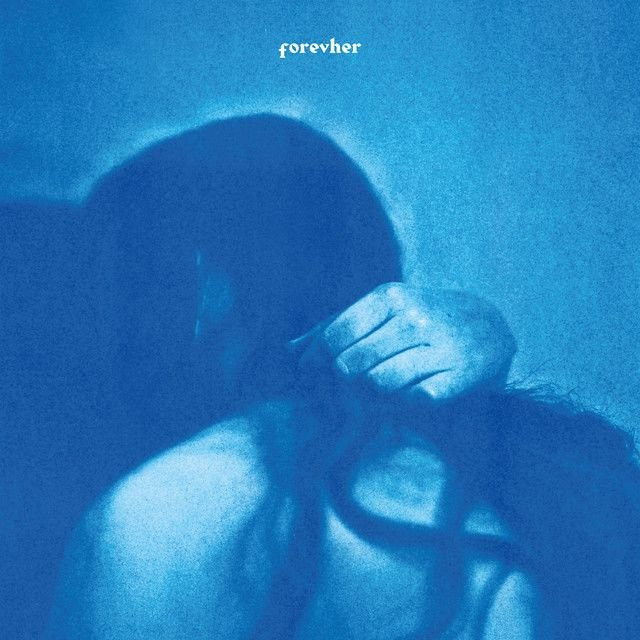
Why Shura Turns Desire Into Faith
The meaning of religion (u can lay your hands on me) Shura centers on a simple but powerful idea: romantic desire can feel holy, even when no formal religion is involved. The song takes the language of worship, ritual, and miracle and gives it to human touch. Instead of treating love as sinful or secret, Shura frames it as natural, ecstatic, and deeply affirming.
"religion (u can lay your hands on me)" - Shura
It's our religion
No preacher to teach us to love
Loading lyrics...
Unable to load lyrics
We're unable to display the lyrics at this time. Please try again later.
Released during the era of their debut album Nothing's Real, the track fits Shura’s style of emotional synth-pop: intimate, dreamy, and a little nostalgic. That context matters. Their music often blends softness with yearning, so this song does not sound provocative for shock value. It sounds sincere.
A Love Song Dressed in Sacred Language
At its core, the song is about two people moving from emotional closeness into physical intimacy. The narrator describes late-night calls, mutual attraction, and the feeling that desire itself has become a kind of faith. Early on, the phrase It's our religion
makes the theme plain: this bond does not need outside approval to feel real.
That idea becomes even clearer when the lyric says there is No preacher to teach us
. In plain terms, the song rejects the idea that institutions get to define love for them. The connection between the two people is enough. They do not need a sermon, a rulebook, or a judge.
Interpretation: This can be heard as a queer reclamation of religious imagery. Rather than seeing faith and desire as enemies, the song imagines intimacy as its own sacred space. Shura has discussed queer desire and emotional honesty in coverage around their work, including an interview with The Guardian, and that wider context supports this reading.

Watch the official religion (u can lay your hands on me)
music video
The Story Moves From Distance to Touch
The song’s narrative is small, but it is clear. It begins with distance: two people talking for hours on the phone. That detail matters because it creates anticipation. Before anything physical happens, there is longing, imagination, and emotional buildup.
Then the song shifts toward action. The narrator admits they have been thinking about kissing the other person and believes the feeling is mutual. By the time the chorus arrives, restraint is gone. The repeated request lay your hands on me
is direct, but it is also tender. It asks for closeness, not conquest.
Two bodies
One vision
This brief moment sums up the song’s emotional logic. The relationship is physical, yes, but the point is unity. The two people are not just touching; they are aligned.
Why the Religious Imagery Matters
The most striking lines in the song transform desire into ritual. When the narrator says Turn the water to wine
, the song borrows the language of miracle to describe attraction. In everyday terms, love changes ordinary life into something glowing and heightened.
Another key image is the wish to consecrate the other person’s body. That wording could sound heavy in another song, but here it suggests reverence. The other person is not objectified. They are treated as worthy of awe.
This is what gives the track its emotional charge. It does not just say, “I want you.” It says, “Wanting you changes the world around me.” Even the line about it being LA or Heaven blurs earthly and divine spaces. The song suggests that paradise is not somewhere far away. It can happen in a conversation, a kiss, or a shared room.
The Chorus Makes Consent and Devotion Meet
The chorus is memorable because it is repetitive, but repetition does more than make it catchy. It turns the central request into a mantra. The phrase don't stop, please
carries urgency, yet the song’s tone stays soft and inviting rather than aggressive.
That balance is important. The track presents desire as mutual and welcomed. The verses already hint that both people are thinking about the same thing, so the chorus feels like a release of tension, not pressure.
Interpretation: The hook works because it merges physical desire with emotional surrender. To let someone “lay their hands” on you is not only sexual. It also means trusting them enough to be vulnerable.
How the Production Supports the Meaning
Musically, the song wraps this intimacy in warm synth textures, a steady beat, and a glowing pop sheen. The production does not rush. It gives the vocals room to feel close, almost conversational, especially in the verses. That matches the story of private phone calls turning into fantasy.
When the chorus lands, the arrangement feels fuller and more open. That lift mirrors the lyrics: desire moves from inner thought to spoken invitation. Shura’s airy delivery keeps the song from becoming too heavy. They sound enchanted, not overwhelmed.
That matters for the meaning of religion (u can lay your hands on me) Shura because the sound itself communicates safety and sweetness. The track is sensual, but it is never cold. Its synth-pop style turns longing into atmosphere.
A Song About Freedom, Not Blasphemy
Some listeners may hear the religious references as playful provocation. But the stronger reading is that the song is about freedom: freedom from shame, freedom from outside judgment, and freedom to call human love sacred.
The line about no one watching over them can sound lonely at first. Yet within the song, it feels liberating. If no authority is policing this connection, then the lovers can define it for themselves.
That is why the song still resonates. It captures the rush of wanting someone, but it also gives that feeling dignity. Desire is not reduced to impulse. It becomes meaning, ritual, and belief.
Final Take on Shura’s Message
In the end, “religion (u can lay your hands on me)” is about intimacy as a form of devotion. Shura uses sacred imagery not to mock belief, but to show how profound mutual desire can feel. The song turns flirtation, trust, and touch into something almost transcendent.
That is the lasting power of the track: it says human love can be its own kind of miracle.
Disclaimer: This interpretation is based on the lyrics, recording context, and public artist information. Like all song analysis, parts of it remain interpretive rather than definitive.









