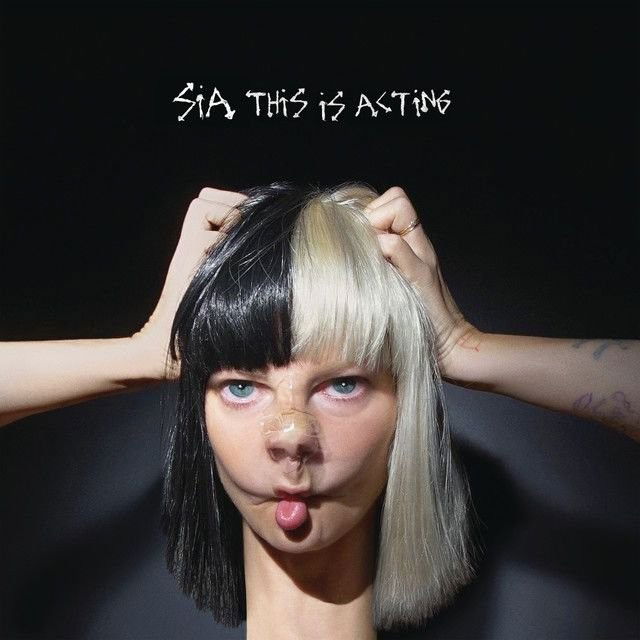
Cheap Thrills by Sia
They’ve heard it at parties, in cars, and on gym playlists. Cheap Thrills bottles the feeling of freedom on a shoestring budget. This guide breaks down the meaning of Cheap Thrills Sia delivers, the images she uses, and how the sound turns a simple idea into a global singalong.
"Cheap Thrills" - Sia
It's Friday night and I won't be long
Gotta do my hair, put my make up on
Loading lyrics...
Unable to load lyrics
We're unable to display the lyrics at this time. Please try again later.
Everyday Joy, Not Pricey Nights
At its core, Cheap Thrills is about pleasure that isn’t bought. When they say I got all I need
, the point is simple: joy comes from music, movement, and the right person beside them—not from status or cash. The narrator rejects the pressure to spend, shrugging, I ain't got cash
, and chooses a night powered by rhythm instead of receipts.
Interpretation: The song is a gentle, catchy form of anti-materialism. It doesn’t shame wealth; it just argues that the best fun is available to everyone who can move to a beat.
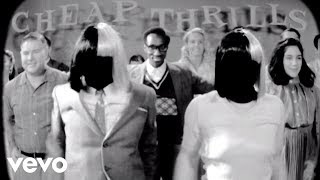
Watch the official Cheap Thrills
music video
Voice & Addressee on the Dance Floor
The lyrics use first person, speaking to a close companion—“baby.” It reads like they’re hyping each other up before going out. A few small details (hair, makeup, nails) set the scene, but the focus is shared energy. That’s why the line keep dancing
feels like a promise between them instead of a solo boast.
A Friday-to-Saturday Mini-Plot
They outline a simple weekend arc that many listeners recognize:
- Pre-game spark:
turn the radio on
and get ready. - Anticipation: they won’t be long—excitement builds.
- Arrival: the first step is the dance floor.
- Release: once the music hits, spending doesn’t matter.
This small timeline supports the larger message: joy ramps up as the beat takes over, not when the bill comes.
The Hook That Flips the Script
The chorus turns a common pop trope—showing off wealth—on its head:
Baby, I don't need dollar bills
I love cheap thrills
They’re not settling; they’re choosing. The key claim—as long as I can feel the beat
—says the body’s response to rhythm outruns any budget. Emotionally, the hook is permission: have fun without waiting for payday.
Symbols and Sound Design
- Radio: the mood switch. One button and the night starts.
- Dance floor: the community space where money disappears; everyone’s equal.
- Cash/money: a foil, mentioned only to dismiss its power.
- Beat: the real currency, named in
as long as I can feel the beat
.
Production carries these ideas. Greg Kurstin’s track blends pop with dancehall bounce and tropical-leaning synths. The steady 4/4 groove and handclap-like accents invite clapping and footwork, echoing the “anyone can join” theme. It’s set in F-sharp minor, but the melody lifts into bright hooks, so the mood stays sunny, not brooding. Sia’s vocal sits upfront—clear, playful, and slightly raspy at the edges—selling confidence rather than luxury.
Interpretation: The streamlined range and chant-like refrains make it easy for crowds to sing together, turning a personal belief into a shared ritual.
From Writer’s Room to No. 1
Context adds bite to the meaning of Cheap Thrills Sia offers. The song was co-written with Greg Kurstin and included on This Is Acting, an album built from songs Sia wrote for other artists. Cheap Thrills was reportedly pitched to Rihanna and passed on. Sia released it herself; later, a remix with Sean Paul added a dancehall verse that widened its club reach. The track became Sia’s first No. 1 on the U.S. Billboard Hot 100 and held the top spot for four weeks. It also earned a Grammy nomination for Best Pop Duo/Group Performance.
Critical response matched public momentum: reviewers tagged it a “bouncy party anthem,” praising how the infectious groove supports its everyperson message. The black-and-white, 1960s-styled lyric video and Sia’s performance video with Maddie Ziegler further centered dance as the heart of the story.
Takeaways and Other Readings
- Primary takeaway: Cheap Thrills argues that connection and rhythm beat conspicuous spending. The narrator’s wealth is measured in movement and company.
- Alternate reading (Interpretation): It can also be heard as a self-care mantra—using music and motion to manage stress. By making fun accessible and repeatable, they reclaim control over mood and time.
- Another angle (Interpretation): It’s subtle social commentary. By chanting a line like
I ain't got cash
with pride, they flip shame into swagger, especially for listeners priced out of nightlife scenes.
Final Thought
Cheap Thrills works because it’s both a party and a philosophy. It tells them to grab their person, find the beat, and spend the night on what actually pays back: joy.
— Interpretation disclaimer: This analysis reflects one informed reading of the lyrics, production, and public context. Listeners may reasonably hear different nuances.
Sources
- https://en.wikipedia.org/wiki/Cheap_Thrills_(song)
- https://www.billboard.com/articles/columns/chart-beat/7454307/sia-sean-paul-cheap-thrills-number-one-hot-100
- https://www.rollingstone.com/music/music-news/see-sias-intense-cheap-thrills-performance-video-with-maddie-ziegler-183178/
- https://www.vulture.com/2016/02/sia-cheap-thrills-lyric-video.html
- https://www.musicnotes.com/sheetmusic/mtd.asp?ppn=MN0161164








