Fear by Sia
A Song That Turns Private Anxiety Into a Group Portrait
The meaning of Fear Sia becomes clear almost immediately: the song is about how fear shapes ordinary lives, often in quiet and painful ways. Rather than tell one dramatic story, they move through a series of short portraits. Each person is trapped by a different worry, habit, or memory.
"Fear" - Sia
It's a living bad dream
I hold her hand as the doors close
Loading lyrics...
Unable to load lyrics
We're unable to display the lyrics at this time. Please try again later.
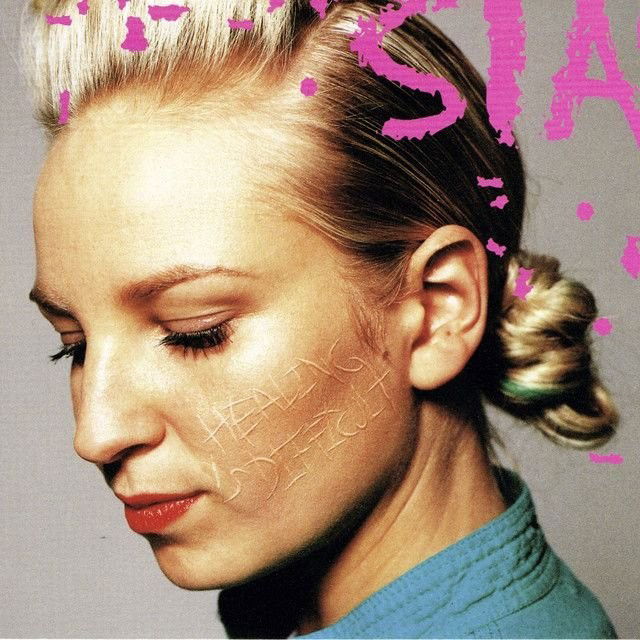
According to the Sia fan archive, Fear is the opening track on Healing Is Difficult and is described as a song about how fear holds people back. That framing matches the lyric design exactly. The song starts with other people’s struggles, then widens into a shared human problem, and finally lands on Sia’s own loss and worry.
Watch the official Fear
music video
The Central Message Hides in Plain Language
The chorus gives the song’s thesis in direct words: fear keeps people from living freely. Sia does not dress that idea up in symbols or abstract poetry. Instead, they repeat the point until it sounds less like a slogan and more like a hard truth.
One short refrain, holding us back
, matters because it connects very different lives. A fear of trains, love, rejection, weight, violence, or death may look unrelated on the surface. But the song argues that these are all versions of the same force.
There is usually one thing
that keeps us off track
It is fear
This is the article’s only multi-line lyric quote, and it works because it summarizes the whole song. Before and after that refrain, Sia fills in the details with real-world examples.
A Gallery of People, Not Just a Single Narrator
One of the smartest things in the track is its structure. The verses move from person to person, almost like quick documentary sketches. A mother fears the subway. Another person fears improvising. Someone else fears commitment. Another fears being alone.
These snapshots make the song feel social rather than purely confessional. It asks listeners to look, as the lyric says, amongst all your peeps
, and notice what people carry without saying it out loud.
Why These Mini-Stories Matter
Each example shows a different effect of fear:
- avoidance
- self-sabotage
- isolation
- silence
- staying in harmful patterns
That range is why the song still feels sharp. Fear is not shown as one emotion with one outcome. It can make someone cling, hide, freeze, overthink, or return to something damaging just because it feels familiar.
Where the Song Gets Most Personal
The most moving turn comes when Sia shifts from observer to participant. After describing other people, they admit their own fears. One is almost ordinary: afraid of sharks
. That line sounds small at first, but it opens the door to a much deeper confession.
Soon, the song moves to worry about a partner dying, followed by the devastating phrase My first love is already dead
. The Sia fan archive notes that this refers to Dan, Sia’s first boyfriend, who died in an accident in London a few years before Healing Is Difficult was released. That context matters because it changes the line from simple melodrama into grief memory.
In other words, the song suggests that some fears are irrational, but others come from experience. If someone has already lost love once, fearing another loss is not weakness. It is trauma leaving an echo.
Interpretation: Fear as Both Symptom and Cause
Interpretation: the song treats fear in two ways at once. First, fear is a cause. It stops people from speaking, loving, trusting, eating, leaving, or changing. Second, fear is also a symptom. It often grows out of pain that came first.
That idea shows up in several character sketches. One person struggles with body image. Another cannot trust because of childhood abandonment. Another seems afraid to speak honestly because they expect ridicule. In each case, fear is not random. It comes from social pressure, memory, or harm.
This makes the song more compassionate than its blunt chorus first suggests. It says fear blocks people, yes, but it also hints that fear has roots.
The Sound Supports the Message
Even without a huge pop production, the writing carries rhythm through repetition and list-like verses. The song’s plainspoken style fits Sia’s early work on Healing Is Difficult, an album often noted for mixing emotional candor with accessible pop writing. The Sia fan archive lists the track as pop, and that feels right, though the delivery also has a conversational, almost spoken quality.
That matters for meaning. A more theatrical arrangement might have turned these stories into spectacle. Instead, the track’s steady phrasing makes the characters feel close and recognizable. The repeated hook acts like a return to the same diagnosis after every case study.
Artist Context Helps Explain the Honesty
Sia’s career later became widely associated with massive art-pop hits like those on 1000 Forms of Fear, which was released in 2014 and became a commercial breakthrough. As summarized by Wikipedia, that album debuted at No. 1 on the Billboard 200 and focused heavily on personal struggle and emotional survival. Looking back, Fear feels like an early example of that same gift: taking pain that could be private and turning it into something communal.
The difference is scale. Later Sia songs often sound huge and explosive. Fear is smaller and more observational. But the emotional core is already there.
Why “Fear” Still Connects
The meaning of Fear Sia lasts because the song avoids one simple lesson. It does not claim everyone can just snap out of anxiety. Instead, it shows how fear quietly arranges behavior, relationships, and self-image.
Its real power is recognition. Listeners may not share every example, but most will recognize at least one pattern: fear of closeness, fear of judgment, fear of being alone, or fear after loss. By placing many lives side by side, the song turns private shame into shared experience.
Final Thought
In the end, Fear is less about one crisis than about the hidden force behind many of them. Interpretation: Sia’s point is not that fear makes people broken. It is that fear makes people human—and unless they face it, it can quietly direct their whole lives.
Disclaimer: This interpretation is based on the lyrics, available song context, and documented background, but song meaning can remain open to individual listeners.







