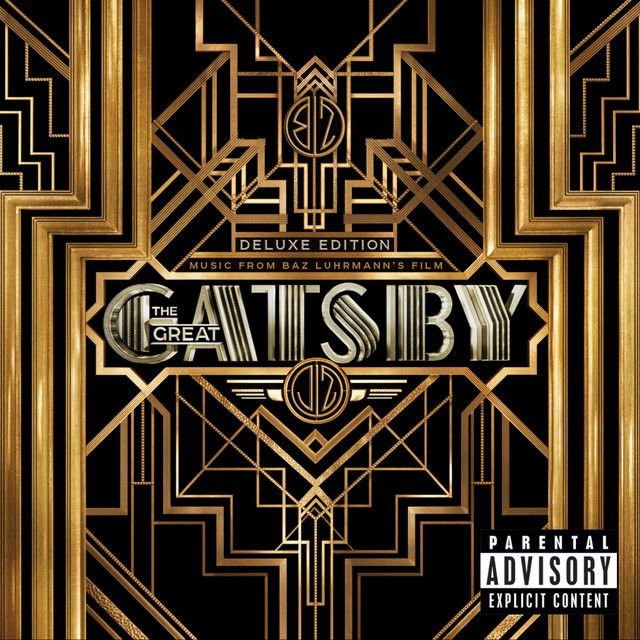
Why Sia’s "Kill And Run" Feels So Haunted
For listeners searching for the meaning of Kill And Run Sia, the song lands as a dark confession. It sounds less like a literal crime story and more like the voice of someone who believes they have emotionally destroyed a relationship. The language is violent, but the deeper feeling is shame.
"Kill And Run" - Sia
Coming out of your mouth
But the snore is too loud
Loading lyrics...
Unable to load lyrics
We're unable to display the lyrics at this time. Please try again later.
Sia released the song as part of The Great Gatsby soundtrack in 2013, and fan-documented credits also list Christopher Braide as co-writer. That context matters because the film and its music lean hard into glamour, tragedy, and damage hidden under beauty. In that setting, “Kill And Run” feels like a private breakdown behind a polished surface.
A Love Song Written Like a Crime Scene
At its core, the song appears to be about emotional harm. The speaker watches another person closely, trying to read their face, voice, and body, but cannot fully connect. That failure becomes guilt. When the chorus arrives, the self-blame turns extreme with phrases like kill and run
and dirty guns
.
Interpretation: They are probably not describing actual violence. Instead, they use the language of weapons and escape to say, “I hurt you, and now I have to live with it.” The image of a bullet through your heart
turns heartbreak into something sudden and irreversible.
This is very much in line with Sia’s writing style from that era. She often wrote songs that made inner pain sound huge, theatrical, and almost dangerous. That approach helped make her one of pop’s most recognizable songwriters before and during her breakthrough years.

Watch the official Kill And Run
music video
The Verses Show Confusion Before the Guilt
The opening lines are strange on purpose. The speaker is studying sounds, movements, and facial signals, but the details do not form a clear picture. A phrase like sequence of sounds
suggests they hear words without truly understanding them. Communication is happening, yet meaning is blocked.
That disconnect continues in the lines about following hands and trying to read another person’s move. The song presents a mind that is overwhelmed, numb, or defensive. Instead of responding naturally, the speaker seems trapped inside their own head.
Silent call for you
What have I done to you
This brief moment is the emotional center of the song. Before and after it, the imagery is abstract. Here, the message becomes direct: someone is suffering, and the speaker feels responsible.
Why the Chorus Sounds So Brutal
The chorus is memorable because it says the quiet guilt out loud in the harshest possible way. Many breakup songs soften blame or spread it around. This one does the opposite. The speaker calls themselves one of the guilty ones.
Interpretation: The repeated hook can be heard as a cycle of remorse. They hurt someone, pull away, and then replay the damage over and over. The “run” part matters as much as the “kill” part. It suggests avoidance, cowardice, or emotional retreat after causing pain.
That gives the song a moral edge. It is not only sad; it is accusatory, and the accusation is aimed inward. The speaker is not asking for sympathy first. They are naming themselves as the cause.
Sensory Images Turn Emotion Into Physical Damage
One of the most striking details is how often the song uses body language and sensory fragments. Eyes, lashes, sounds, hands, and calls all appear in broken pieces. Rather than telling a linear story, the song shows trauma through scattered perception.
The phrase victim of sensory love
is especially telling. Love here is not calm or healing. It overwhelms the senses and leaves both people disoriented. Even tenderness becomes too intense to process.
Interpretation: This may reflect a relationship where love and pain have become tangled together. The speaker may care deeply, but that care does not stop them from doing damage. In fact, the song hints that intensity itself may be part of the problem.
How the Great Gatsby Context Sharpens the Meaning
Because “Kill and Run” was made for The Great Gatsby soundtrack, listeners can also hear it alongside the film’s themes: obsession, self-invention, desire, and ruin. That soundtrack mixed modern pop with tragic romance, turning old-fashioned heartbreak into something glossy and current.
Sia was a strong fit for that project. By 2013, they were already known as an in-demand writer and distinctive vocalist, and later career summaries note the massive scale of her catalog and global reach. Even so, “Kill and Run” remains more shadowy than her biggest hits.
That lower profile may actually help the song. It feels like a hidden chamber in the Gatsby world: less party anthem, more aftermath. Where some soundtrack songs chase spectacle, this one sits with the emotional wreckage.
The Production Makes the Words Feel Colder
The production supports that reading. The song moves with a moody, controlled pace rather than a big cathartic release. It feels nocturnal and tense. The arrangement leaves space around the vocal, which makes the words sound isolated, almost trapped in air.
Sia’s vocal delivery is crucial. They do not sing the song like someone defending themselves. They sound stunned by what they have done. That restraint keeps the track from becoming melodrama, even with images as intense as guns and bullets.
Final Reading: Guilt, Damage, and No Easy Escape
The best way to understand the meaning of Kill And Run Sia is to hear it as a song about emotional violence told through criminal imagery. It captures the moment when someone realizes that love did not just fail; it wounded.
There are alternate readings. Some listeners may connect it to the doomed romance of The Great Gatsby, while others may hear a more personal confession about a toxic relationship. Both fit the evidence. What stays constant is the feeling of responsibility and the fear that some harm cannot be undone.
Disclaimer: This interpretation is based on the lyrics, available song credits, and soundtrack context. Like many Sia songs, “Kill and Run” is open to more than one reading.








