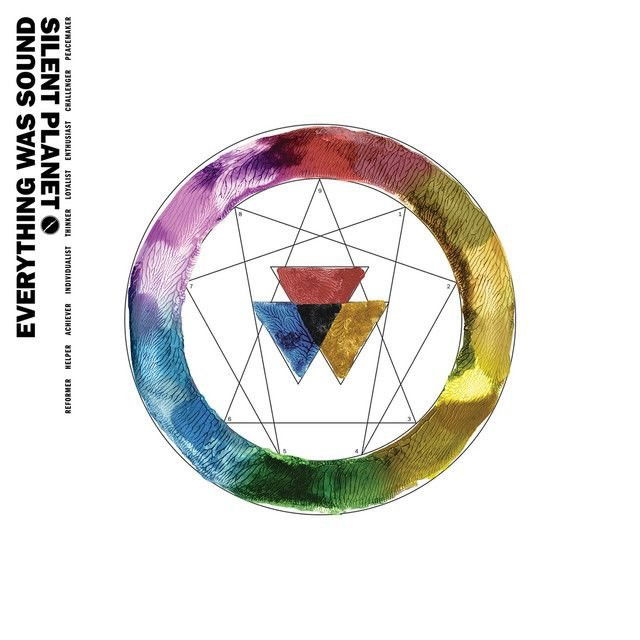
Psychescape by Silent Planet
Silent Planet turn a mental spiral into a debate about freedom: is escape a rescue, or another prison?
"Psychescape" - Silent Planet
Provided by LyricFindI sank down the plane of delusion
It's vast expanses mocked my advances
And bid me, oh fragile mind, you will learn how to fractureLoading...Loading lyrics...
Unable to load lyrics
We're unable to display the lyrics at this time. Please try again later.
Where the meaning of Psychescape Silent Planet begins
The meaning of Psychescape Silent Planet centers on a mind under pressure. The song imagines a person slipping away from ordinary reality, not because fantasy is harmless, but because reality itself feels rigid, cold, and impossible to survive. The result is not a simple story about “going crazy.” It is a tense argument between control and collapse, reason and delusion, safety and captivity.
At the start, the speaker falls into what they call a plane of delusion
. That phrase matters because it makes delusion feel like a whole landscape, not a passing thought. They are not just confused. They are trapped in an inner world that seems endless.
Interpretation: Silent Planet appear to frame this inner world as both seductive and frightening. It offers distance from pain, but it also deepens isolation.

Watch the official Psychescape
music video
A mind at war with itself
Much of the song’s force comes from how split the speaker feels. They describe a fragile mind
learning to fracture, then later say they split my mind
over and over. Those images suggest mental fragmentation, where the self no longer feels whole.
The song also keeps asking whether retreat is weakness or survival. When the lyrics question the myopic gaze
that holds people captive, the target seems larger than one person. It could mean social judgment, narrow thinking, or systems that demand conformity.
That idea returns in the image of the straight line that is drawn for them, something presented as pure and perfect. In plain terms, the song resists a world that praises neatness, certainty, and order when real human experience is messy.
The chorus makes escape sound tempting
The hook is one of the clearest keys to the song. The invitation to go to the edge of reason
sounds thrilling, almost comforting. Instead of fighting the breakdown, the chorus briefly treats it like a place to live.
Follow me
Fall with me
This short call feels intimate, but it is also alarming. The language of following and falling turns escape into a shared descent. The song does not present delusion as pure liberation. It presents it as a home built under stress.
Interpretation: The chorus may represent the voice of temptation itself—the part of the mind that wants relief at any cost. It sounds warm, but the verses keep exposing the cost.
Symbols of captivity, materialism, and failed logic
Several images deepen the song’s meaning. One is the “monolith,” which sounds like a giant structure of power. In context, it likely symbolizes a hard, impersonal order: social rules, material success, or a system that reduces people to function.
The line about material despondency
points in that direction. The song seems skeptical of a world built on surfaces and possessions if that world leaves the spirit empty. Escaping the monolith, then, is not only a mental act. It is also a rejection of deadening values.
Another strong image is waiting on the tracks of reason while the train of thought never comes. That twist is sharp and sad. Logic is supposed to provide direction, but here it fails to arrive. Reason is not saving the speaker. It is absent.
How Silent Planet’s sound carries the message
Even without quoting much, the music helps explain the lyrics. Silent Planet are known for blending metalcore and post-hardcore intensity with atmospheric passages and spoken-word precision in Garrett Russell’s delivery. That contrast is central to the song’s effect.
The heavier sections feel like psychic overload. The breakdowns and harsh vocals turn pressure into something physical, as if panic has weight. Then the more open, melodic moments create the sensation of drifting outside the body. That push and pull mirrors the theme exactly: the song sounds torn between confinement and release.
Interpretation: The production likely aims to make listeners feel the instability the lyrics describe. Instead of simply telling a story about fracture, the arrangement performs it.
A spiritual question in the final moments
Near the end, the song reaches toward something spiritual with the question about whether divine grace could touch a damaged life. That image of a “withered fruit” is bleak, but it also implies longing. The speaker has not stopped hoping for mercy.
This matters because it keeps the song from becoming purely nihilistic. Beneath all the paranoia, there is still a desire to be seen, healed, or redeemed. They do not just want escape. They want rescue that is real.
That tension fits Silent Planet’s larger writing style. The band often mixes psychology, philosophy, faith language, and social critique into songs that feel both personal and literary.
Final reading: escape is not the same as freedom
The strongest reading is that “Psychescape” examines what happens when the mind tries to protect itself by leaving reality behind. The song understands why that urge exists. It even gives that urge a voice. But it also shows that delusion can become another locked room, one with no exit
.
So the meaning of Psychescape Silent Planet is not just about madness. It is about the human need for relief in a world that often feels too sharp, too narrow, and too demanding. The song sympathizes with collapse without romanticizing it.
In the end, Silent Planet leave listeners with a hard truth: the structures outside the self can be oppressive, but the inner escape route can also fail. Real freedom has to be more than retreat.
Disclaimer: This interpretation is based on the lyrics provided and publicly known context around Silent Planet’s style. As with all art, other readings are possible.







